Why is Everyone in Hanoi Waking Up at 5 AM for a Flower?
Discover the 2026 guide to Hanoi's West Lake lotus tea season. Learn how to find the best 'Bach Diep' flowers, why timing is everything, and the secrets of the $400 tea.

The 2026 Lotus Season: Why May is the Magic Month
The 2026 lotus season in Hanoi begins in early May and reaches its peak from mid-June to July. During this time, the northwestern shores of West Lake transform into a sea of pink and green, offering the freshest ingredients for Vietnam’s most prestigious and fragrant traditional tea experience.
If you find yourself in Hanoi during May, you might notice something strange. While the rest of the world is hitting the snooze button, hundreds of Hanoians are rushing toward the misty shores of West Lake (Hồ Tây). They aren't there for a morning jog or a early commute. They are there for 'Mùa Sen'—the lotus season. In Vietnam, the lotus is not just a pretty plant; it is the national flower and a symbol of purity that 'rises from the mud but does not smell of it.' For a few short weeks in 2026, the city centers its soul around this flower, specifically for the ancient art of lotus tea.
The 2026 season is expected to be particularly vibrant. After a mild spring, the 'Bach Diep' or Hundred-Petal lotus is blooming with an intensity we haven't seen in years. This isn't just a casual drink; it’s a fleeting moment of beauty that locals chase with a passion usually reserved for football or family weddings. To understand why a single flower can command such attention, you have to see the lake at dawn, when the air is cool and the scent of thousands of opening blossoms hangs heavy over the water.
The Quest for the 'Bach Diep' – Why Not Just Any Lotus Will Do
The 'Bach Diep' or Hundred-Petal lotus is the gold standard for tea-making because of its unique, intense fragrance. Unlike common lotus varieties, these flowers have multiple layers of smaller petals inside, which trap and hold the scent, making them the only choice for high-quality fresh and dried lotus tea.
In the world of Hanoi tea, all lotuses are not created equal. If you go to a local market, you might see pink flowers everywhere, but for the tea masters of the Quang An and Nhat Tan wards, only the 'Bach Diep' variety matters. This 'Hundred-Petal' lotus is native to West Lake. Its petals are thick, its color is a deep, vibrant pink, and most importantly, its scent is incredibly concentrated.
Why does this matter? Because the lotus flower acts as a natural perfume chamber. To make the tea, artisans must harvest these flowers while they are still full of essential oils. In 2026, the traditional ponds near the Water Park remain the best place to find these authentic blooms. When you see a lotus with a dense, heavy head and layers upon layers of petals, you’re looking at the 'Bach Diep.' It is the 'Wagyu beef' of the flower world—rare, expensive, and deeply respected by those who know the difference.
How to Order: Fresh vs. Premium Dried Tea
Travelers can choose between 'Trà sen ướp xổi' (freshly scented tea inside a flower) for $2–$4 per bloom, or 'Trà sen kỹ' (premium dried tea) which can cost up to $400 per kilogram. The fresh version offers immediate fragrance, while the dried version represents months of labor-intensive scenting by artisans.
When you arrive at a lakeside tea hut, you’ll see two main options. The most popular for a morning visit is 'Trà sen ướp xổi.' This is 'fresh' tea. A tea master takes a high-quality green tea and places it inside a living lotus flower. They then tie the flower shut with a silk thread to trap the fragrance overnight. When you order this, the vendor will snip the flower from its stalk, and you will peel back the petals to find the tea leaves inside, now fully infused with the flower's soul. It costs about 50,000 to 100,000 VND ($2–$4), and it’s a perfect, affordable luxury.
Then, there is the 'Trà sen kỹ.' This is the stuff of legends. To make just one kilogram of this dried tea, an artisan like the famous Bà Dần must hand-peel the 'gạo sen' (the white anthers that look like grains of rice) from over 1,000 to 1,500 flowers. The tea is scented, dried, and re-scented up to seven times. This process takes weeks. In 2026, expect to pay between 7,000,000 and 10,000,000 VND ($280–$400) per kilo. It is one of the most expensive teas in the world, often reserved for state guests or very special family occasions.
The Morning Ritual: Why 5:00 AM is Non-Negotiable
Arriving at West Lake between 5:00 AM and 7:00 AM is essential because the lotus fragrance is strongest at dawn. Once the sun rises and the temperature increases, the flowers begin to close or lose their delicate essential oils, causing the tea’s aroma to dissipate rapidly by mid-morning.
Hanoi is a city that loves the early morning, but the lotus season takes it to another level. If you show up at 9:00 AM looking for tea, you’ve already missed the show. The lotus is a 'shy' flower. It opens its heart to the cool morning mist, releasing its most potent fragrance. As soon as the sun starts to bite and the humidity rises, the flower begins to protect itself, and that magical scent disappears.
Watching the 'harvest' is a visual treat. You’ll see artisans in small, flat-bottomed bamboo boats gliding through the giant emerald leaves. They move with incredible grace, using bamboo needles to open the petals without bruising them. The lake is quiet, shrouded in a pale orange light from the rising sun. Sitting on a wooden dock with a tiny porcelain cup, watching the mist lift off the water while the first sip of tea hits your tongue, is a meditative experience that makes the 4:30 AM alarm clock totally worth it.
Etiquette of the Tea Table: More Than Just Sipping
Respecting the 'Rule of Two Hands' when accepting tea and avoiding heavy perfumes are key cultural norms at West Lake. These practices show respect for the artisan’s labor and ensure that the delicate, natural aroma of the lotus tea is not overpowered by artificial scents during the tasting.
Drinking lotus tea in Hanoi isn't like grabbing a coffee at Starbucks. It is a 'gentlemanly' pursuit, rooted in Confucian values of patience and purity. When the tea is served, always use two hands to receive your cup. This isn't just a polite gesture; it shows that you value the effort the artisan put into that single cup. You’ll notice locals speaking in hushed tones. The goal is to appreciate the 'thoảng'—the fleeting, wafting scent that hits you before the tea even touches your lips.
A major 'don't' for 2026 travelers: Do not wear heavy perfume or cologne. The scent of the lotus is so delicate that a strong spray of Chanel No. 5 will completely ruin the experience for you and everyone around you. Many locals choose to wear simple, modest linen clothing or a traditional Áo Dài for photos, but the focus is always on the purity of the environment. Let the flower be the only fragrance in the room.
Do
- Arrive at the ponds before 6:30 AM for the best atmosphere.
- Use both hands when receiving a cup of tea from the host.
- Dress modestly; linen or light cotton is perfect for the heat and the setting.
- Ask the vendor for a 'cooler box' if you are buying fresh flowers to take home.
Don't
- Don't wear strong perfume; it masks the tea's natural scent.
- Don't rush the experience; lotus tea is meant to be sipped slowly.
- Don't touch the growing lotus flowers in the pond without permission.
- Don't forget that fresh lotus tea must be kept in a freezer, not just a fridge.
Where to Find the Best Ponds in 2026
The best locations for authentic lotus tea in 2026 are the Quang An and Nhat Tan wards on West Lake’s northwestern shore. New popular spots include the ponds near Lotte Mall Tay Ho, which offer a convenient starting point for morning 'lotus tours' and easy access to lakeside tea houses.
West Lake is huge, so you need to know exactly where to go. In 2026, the 'hotspots' have shifted slightly. The traditional heart remains the area around the West Lake Water Park. Here, the families have been tending the same lotus ponds for generations. It feels more 'village-like' and authentic. You’ll find small bamboo huts with low tables where you can sit and watch the farmers work.
For a more modern approach, the area near the Lotte Mall Tay Ho has become a popular starting point. It’s easier to catch a taxi there, and several high-end tea houses have opened nearby that offer 'Lotus Workshops.' If you want the full experience, look for signs that say 'Thưởng Trà' (Tea Appreciation). These places will often have a view of the water and serve the tea in traditional clay pots that have been 'seasoned' by years of lotus tea brewing.
DIY Scenting: Workshops and Hands-on Culture
In 2026, many tea houses like Hiền Minh and Su Quan offer workshops where visitors can learn to peel 'gạo sen' and scent their own tea. These sessions provide a deep dive into the 'why' behind the tea’s high price and the incredible patience required for Vietnamese tea artistry.
If you are the type of traveler who wants to get their hands dirty (or in this case, floral), 2026 is your year. The trend of 'Scenting Workshops' has exploded. Places like Hiền Minh Tea House or Su Quan Roastery offer sessions where you can sit with a master and learn the 'peeling' process. You will realize within five minutes why the tea costs $400 a kilo. Separating the tiny white anthers from the petals without crushing them requires the steady hand of a surgeon and the patience of a saint.
These workshops usually include a tasting of different vintages of lotus tea. You’ll learn to distinguish between tea that was scented once versus tea that was scented seven times. It’s an education in the senses. By the time you leave, you won't just see a flower; you’ll see a masterpiece of Vietnamese agriculture and craft. You’ll understand why Hanoians are so proud of this lake and why they are willing to lose sleep just for a single, perfect sip of May.
Why must I keep the fresh lotus flower in the freezer?
Fresh lotus tea (ướp xổi) contains a living flower and moist tea leaves. If left at room temperature, the flower will wilt and the tea will lose its aroma or even go moldy. Keeping it in the freezer 'locks' the fragrance in. When you're ready to drink, just take it out and let it thaw for a few minutes.
Is the 10 million VND tea actually worth the price?
Yes, if you value craftsmanship. It takes about 1,500 'Bach Diep' flowers to scent just one kilogram of this tea over several weeks. You are paying for the labor of the artisans and the sheer volume of flowers used. The flavor is much deeper and more complex than the fresh version.
Can I buy lotus tea to take back to my home country?
You can easily take the 'dried' premium tea (Trà sen kỹ) as it is shelf-stable and vacuum-sealed. However, the 'fresh' flower tea (Trà sen ướp xổi) is difficult to travel with because it requires constant freezing. Unless you have a professional cold-chain setup, stick to the dried version for souvenirs.
Topics
Read more
Other posts from our Vietnamese learning blog.
By Xinchao team
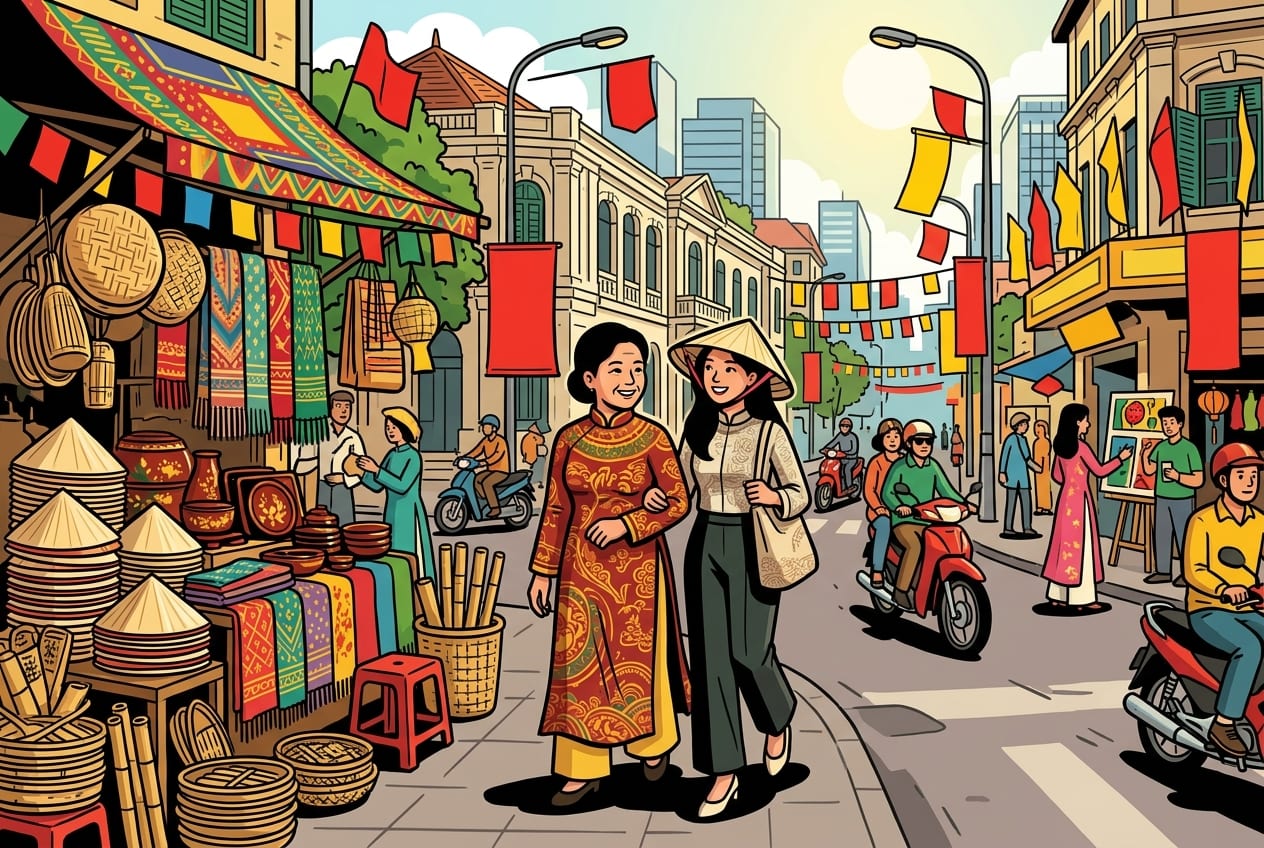
Gặp nhau! Why You Can't Miss Vietnam's First-Ever Culture Day on November 24, 2026!
Mark your calendars! Vietnam's new Culture Day on November 24, 2026, promises a nationwide celebration of heritage. Learn what this "spiritual rendezvous" means for locals and how travelers can dive into unique cultural experiences across the country.
By Xinchao team
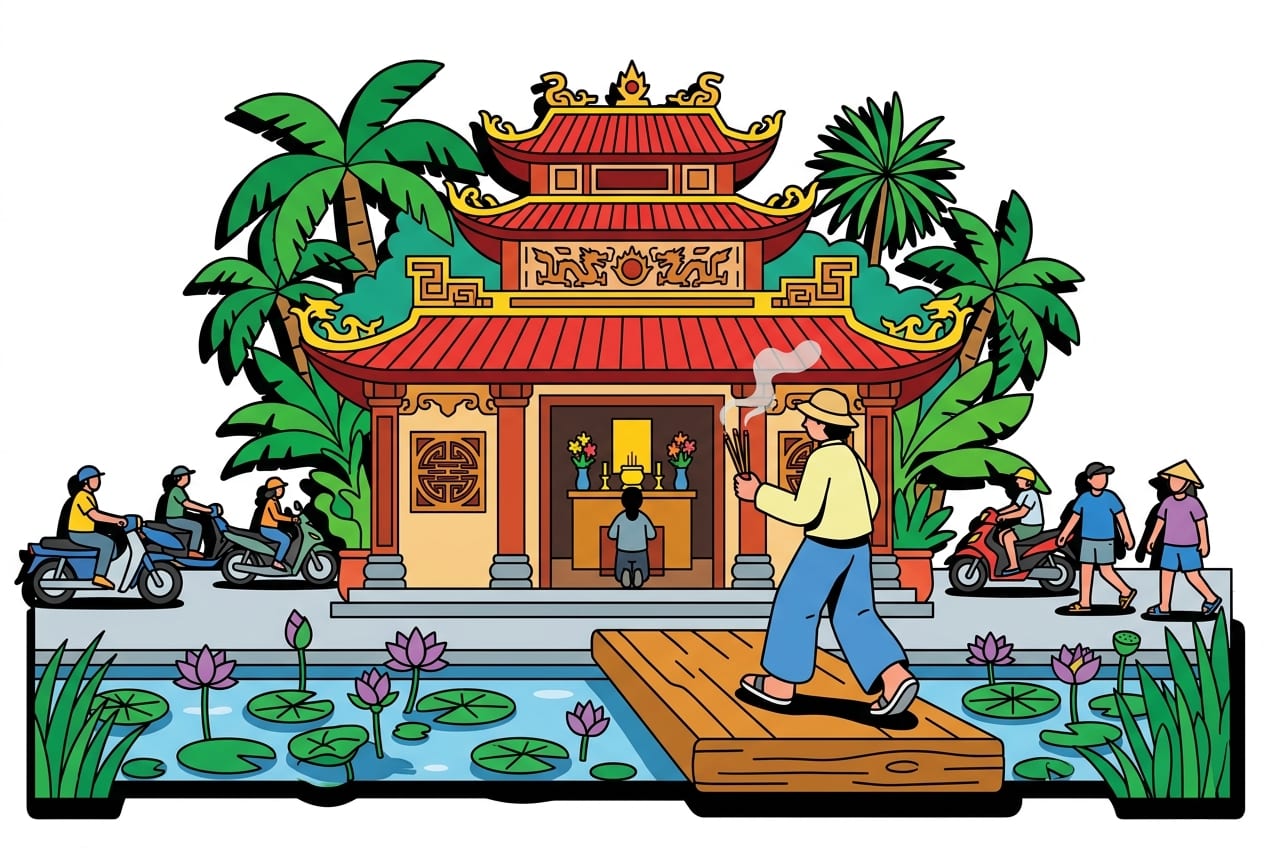
Zen & Lens: Your Guide to Pagoda-Hopping for Peace and Perfect Shots in Vietnam
Ready to explore Vietnam's stunning pagodas? Learn the 'whys' behind local customs, master respectful etiquette, and discover the best spots for breathtaking photos and serene reflection. Your guide to an unforgettable cultural adventure awaits!

By Xinchao team
Beyond Bia Hơi: Where the Hops Are Hopping and the Toasts Are Roaring in Vietnam!
From aromatic IPAs to rich coffee stouts, Vietnam's craft beer scene is exploding. Get ready to explore vibrant taprooms, bustling festivals, and master the art of the Vietnamese toast, 'Một, hai, ba, dô!'