Crunch Time in District 1: Why the Saigon Banh Mi Festival is a Must-Visit?
Step into the aromatic heart of District 1, where the Banh Mi Festival brings together the best bakers in Vietnam for a celebration of crust, pate, and culture.
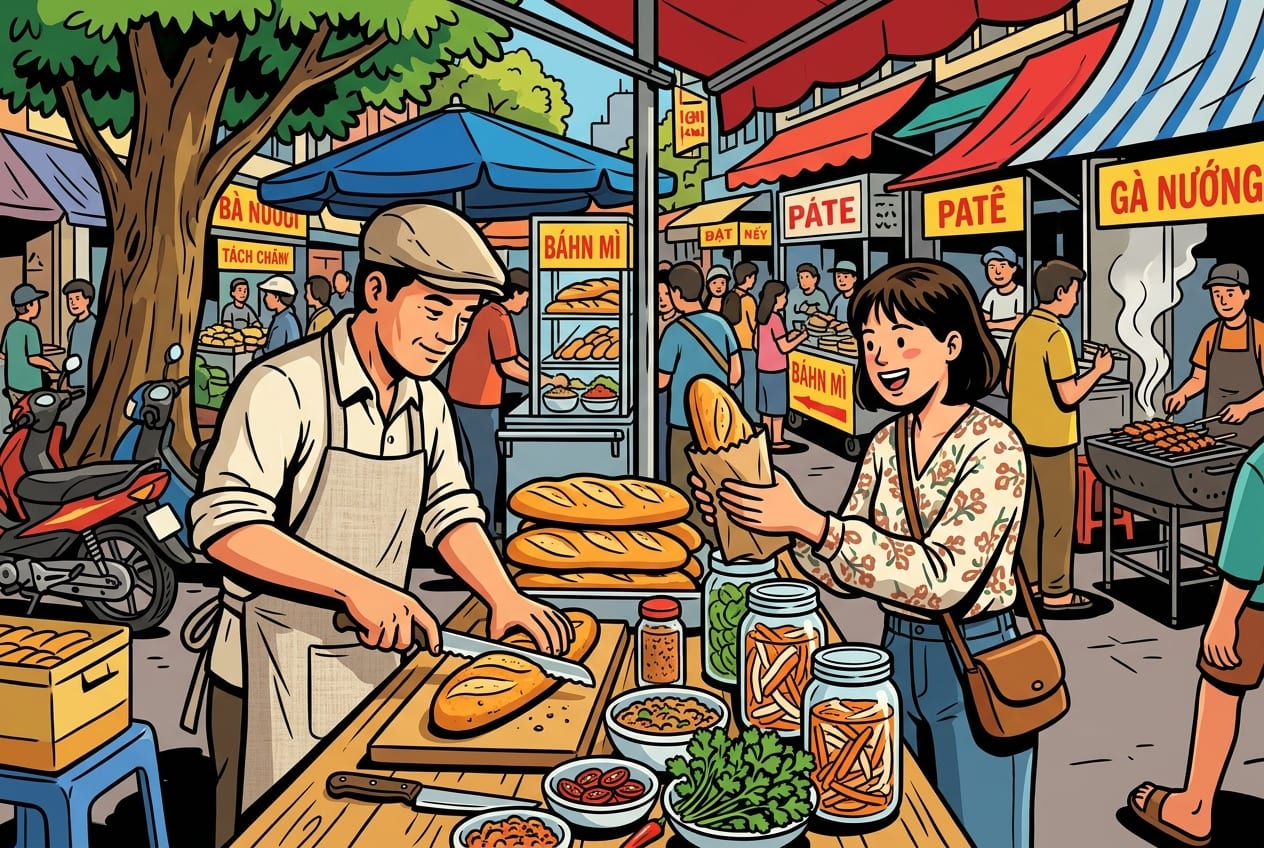
If you find yourself walking through the leafy streets of District 1 today, you might notice an intoxicating aroma—the scent of toasted wheat, rich pork liver pate, and fresh cilantro. This isn't just your average lunch hour in Ho Chi Minh City; it is the annual Banh Mi Festival. This event is a vibrant celebration of what many consider the world's most perfect sandwich. For travelers, it offers a rare chance to see the full spectrum of Vietnamese culinary creativity in one place, ranging from 100-year-old traditional recipes to wild, modern fusion experiments.
What Exactly is the Banh Mi Festival?
The Ho Chi Minh City Banh Mi Festival celebrates the evolution of Vietnam's most famous street food, from its colonial origins to its status as a global culinary icon. Organized by the local tourism authorities, the event showcases hundreds of varieties, highlighting the sandwich's role in the city's vibrant food culture and economic history through diverse vendor participation and public tastings.
The festival is more than just a food fair; it is a cultural statement. In a city where street food is the lifeblood of the economy, the Banh Mi stands as the undisputed king. You will see massive queues forming at stalls like Banh Mi Nguyen Sinh, which has been serving its signature cold cuts and pate since the 1940s. The atmosphere is electric, filled with the rhythmic sound of knives slicing through crispy crusts and the chatter of locals debating which stall has the best 'đồ chua' (pickled vegetables). It is a scene reminiscent of other major cultural gatherings, such as the upcoming Vietnam Culture Day in 2026.
Traditional Roots vs. Modern Twists
Traditional Banh Mi focuses on the balance of five flavors—salty, sweet, sour, spicy, and savory—reflecting the five elements of Vietnamese philosophy. Modern variations at the festival often incorporate international ingredients like Korean kimchi, Japanese wagyu beef, or even sweet fillings like chocolate and fruit, demonstrating the sandwich's incredible versatility and global appeal in contemporary urban cuisine.
As you wander through the stalls in District 1, you will witness the tension between heritage and innovation. On one side, you have the 'Bánh mì truyền thống' purists. These vendors use wood-fired ovens to get that specific 'shatter-on-the-first-bite' crust. They stick to the classics: a thick smear of pate, a dollop of egg-yolk mayonnaise (bơ), slices of 'chả lụa' (Vietnamese ham), and a handful of fresh herbs. This is the flavor profile that put Vietnam on the culinary map, as documented by Britannica's history of the baguette's transformation.
On the other side of the festival grounds, the 'Bánh mì sáng tạo' (creative Banh Mi) stalls are pushing boundaries. You might find a 'Bánh mì hến' (baby clam Banh Mi) inspired by Central Vietnamese flavors, or even a 'Bánh mì thanh long' (dragon fruit Banh Mi), which uses dragon fruit juice to give the bread a vibrant pink hue. This innovation is what keeps the youth of Saigon engaged with their heritage, much like how modern cafe culture is evolving to meet new tastes.
The Social Etiquette of the Festival Queue
Navigating a crowded Vietnamese food festival requires a blend of patience and assertiveness known as 'văn hóa xếp hàng.' Respecting the queue while maintaining your position is crucial. Travelers should observe local cues, avoid aggressive pushing, and use polite 'Dạ/Vâng' when interacting with busy vendors, ensuring a harmonious experience for everyone in the high-energy festival environment.
In Vietnam, the queue is a living organism. At a popular event like the Banh Mi Festival, you will see 'xếp hàng' (lining up) being practiced with a mix of chaos and order. To fit in, keep your cool even if the heat in District 1 is soaring. If you are with a group, it is common for one person to hold the spot while others grab drinks or take photos. However, avoid 'cutting' the line—this can cause a loss of 'face' for both you and those around you. Instead, engage in small talk with your neighbors; asking 'Cái này ngon không?' (Is this delicious?) is a great way to break the ice and get local recommendations.
Why Banh Mi is More Than Just a Sandwich
The Banh Mi represents Vietnam's history of resilience, having transformed a French colonial staple into a uniquely Vietnamese identity. By replacing expensive butter with local pate and adding fresh, vibrant herbs, the Vietnamese created a meal that was accessible to all. Today, it serves as a symbol of national pride and a bridge between various social classes.
To understand the festival, you have to understand the 'why' behind the bread. When the French brought baguettes to Indochina, they were a luxury item for the elite. Over time, Vietnamese bakers modified the recipe, adding rice flour to make the bread lighter, airier, and more affordable. This 'democratization' of the baguette is why you see everyone from business executives in District 1 to motorbike taxi drivers sitting on the same tiny stools to enjoy their meal. It is a unifying force, much like the shared experience of drinking at a Quán Nhậu.
Essential Phrases for the Banh Mi Hunter
Mastering basic ordering phrases allows travelers to customize their Banh Mi experience and shows respect for the vendor's craft. Simple requests regarding spice levels or specific ingredients can prevent misunderstandings and lead to a more authentic culinary encounter, as many festival stalls offer highly customizable options to cater to diverse palates and dietary preferences.
When you reach the front of the line, the vendor will likely move fast. They might ask, 'Ăn cay không?' (Eat spicy?). If you aren't a fan of the fiery bird's eye chilies, respond with 'Không cay' (No spicy) or 'Ít cay' (A little spicy). If you want the full experience, just say 'Đầy đủ' (With everything). This tells the vendor to load up the bread with every meat, pate, and vegetable they have. It is the gold standard of the festival experience!
Do
- Use both hands when receiving your Banh Mi from the vendor as a sign of respect.
- Carry small denominations of Vietnamese Dong (VND) to make transactions faster at busy stalls.
- Try the 'Bánh mì que' (stick Banh Mi) if you want a lighter snack between larger meals.
- Look for stalls with the longest lines of locals—they usually have the freshest bread.
Don't
- Don't throw your paper wrappers on the ground; look for the designated festival bins.
- Don't be afraid of the pate; it is the soul of the sandwich and usually made fresh daily.
- Don't forget to grab a 'Nước mía' (sugarcane juice) to balance the salty flavors of the meat.
- Don't take photos of vendors without a quick nod or asking first, especially when they are busy.
Why is the bread at the festival so much lighter than the baguettes I find in Europe?
Vietnamese bakers often incorporate rice flour into the dough and use a specific proofing process that creates a very thin, crispy crust and an incredibly airy interior. This makes it easier to eat on the go and allows the flavors of the fillings to shine without being overwhelmed by heavy dough.
I'm a vegetarian; can I still enjoy the Banh Mi Festival in District 1?
Absolutely! Look for signs that say 'Bánh mì chay.' These stalls use ingenious substitutes like mushroom pate, fried tofu, and 'chả chay' (vegetarian ham) made from bean curd. The seasoning is so rich that many non-vegetarians often find them just as delicious as the meat versions.
Is it okay to eat my Banh Mi while walking through the festival grounds?
Yes, Banh Mi is the ultimate 'walking food.' However, if you see a stall with small plastic stools, it is a great social experience to sit down for a few minutes. It allows you to people-watch and enjoy the festival atmosphere, which is a big part of the 'HCMC vibe.'
As the sun sets over District 1, the festival lights up with neon signs and the sound of live music. Whether you are a first-time visitor or a long-term expat, the Banh Mi Festival is a reminder of why Saigon remains the culinary heart of Vietnam. It is a place where tradition is respected, but never stagnant. So, grab an 'ổ bánh mì,' find a spot near the stage, and enjoy the crunch that defines a nation.
Practise the words you just read
Vietnamese phrases for real situations, each with native audio in both accents.
Topics
Read more
Other posts from our Vietnamese learning blog.
By Xinchao team
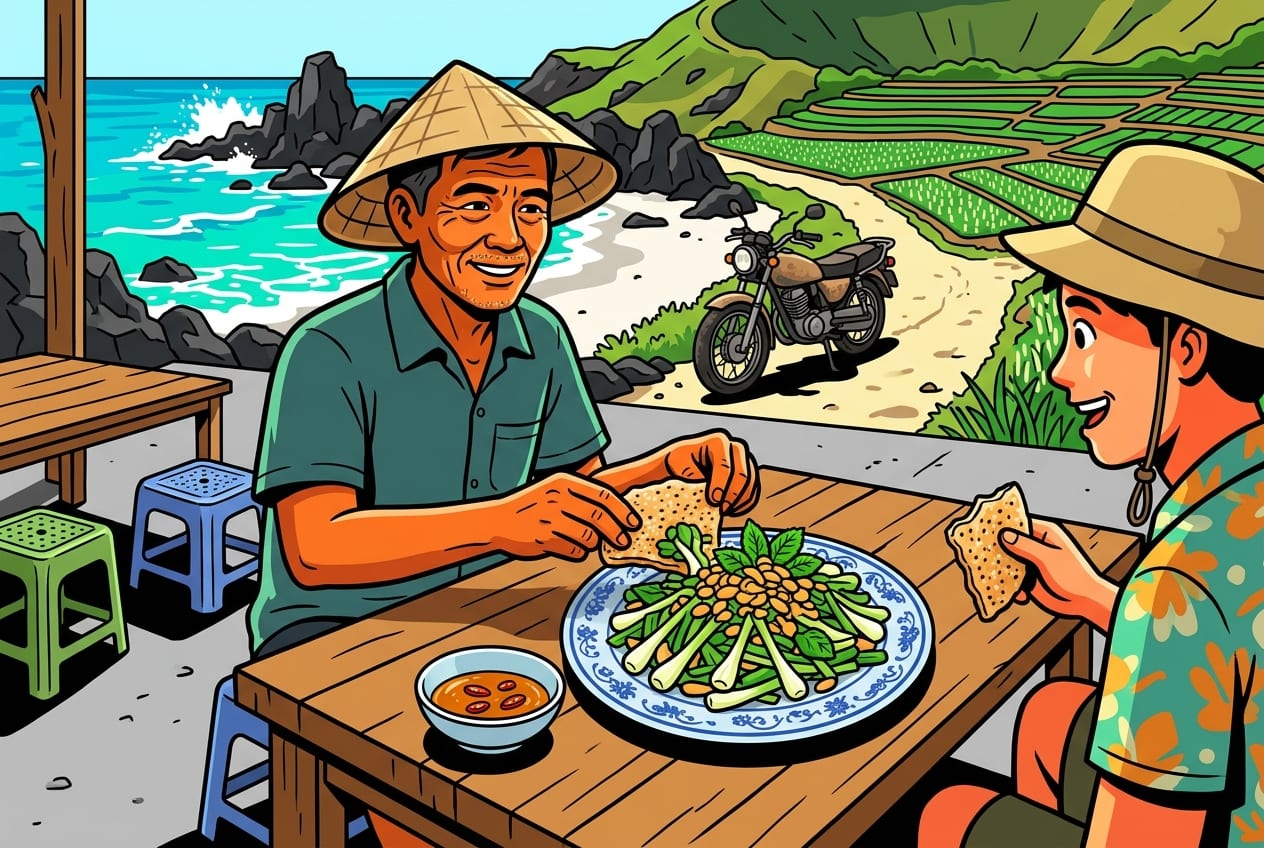
Why Vietnam’s Hottest Summer Island is Covered in Garlic: The Legend of Ly Son and Its Boldest Salad
Journey to Ly Son Island, Vietnam's volcanic 'Kingdom of Garlic', to discover why locals turn young male garlic stalks into a legendary, sweet summer salad.
By Xinchao team
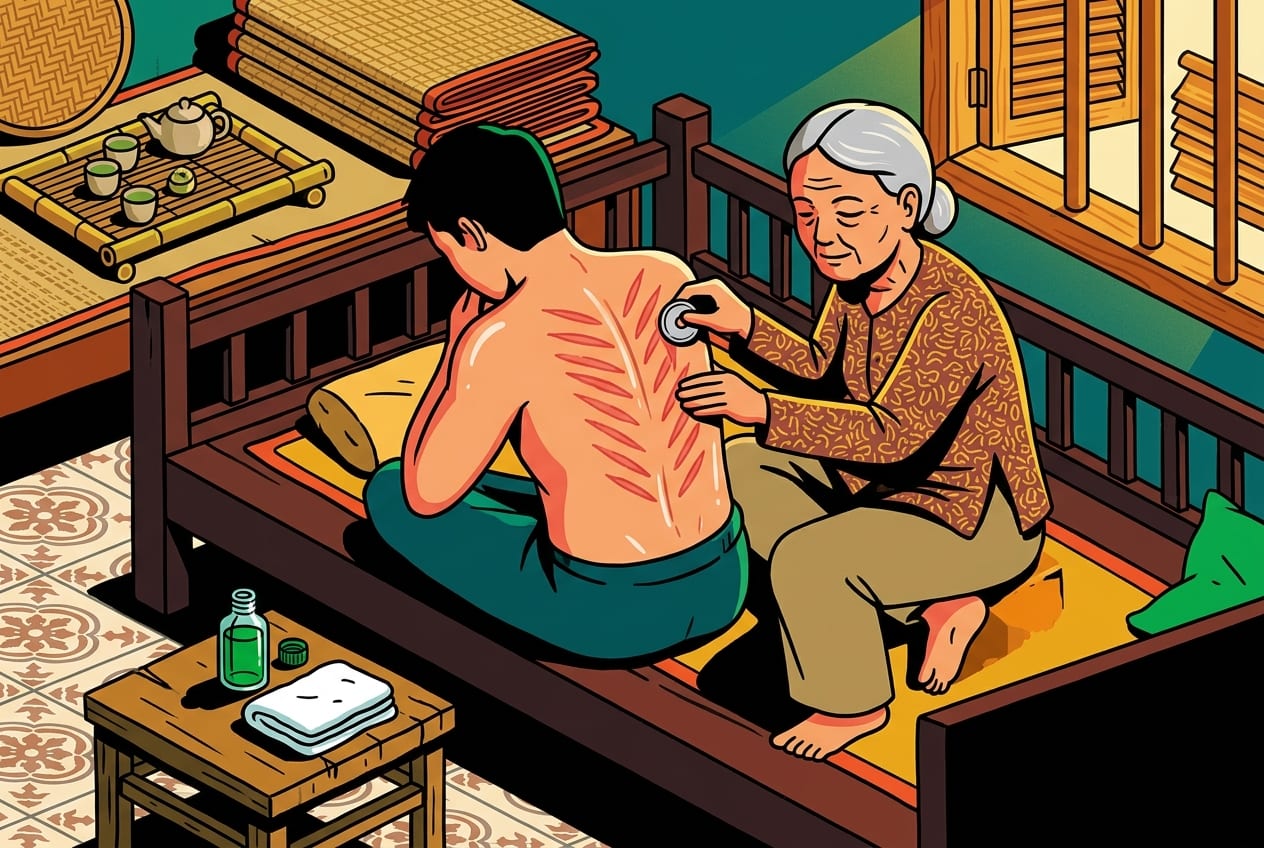
Why Does Everyone in Vietnam Have Red Stripes on Their Back? The Mystery of 'The Wind'
Ever seen red stripes on a Vietnamese person's back? It's not an injury—it's 'cạo gió'. Learn about the 'wind' and why this coin-rubbing ritual is the ultimate sign of family care.
By Xinchao team
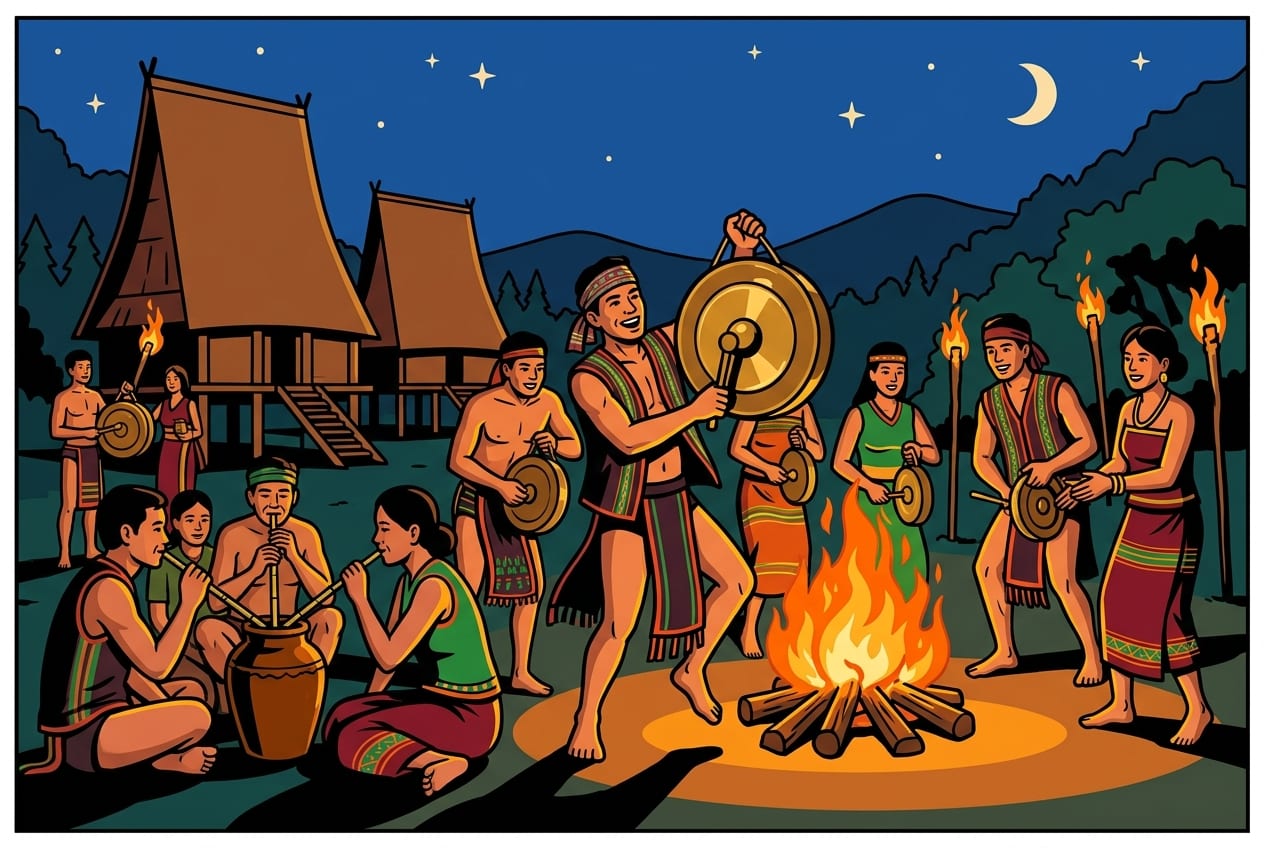
Gongs, Gods, and Good Times: Why Central Highlands Gong Culture is Vietnam's ULTIMATE Immersion!
Experience the spiritual heart of Vietnam's Central Highlands. Explore UNESCO-recognized Gong Culture, where ancient rhythms connect communities to ancestors and divinities. Discover how to respectfully join a ceremony and witness this profound living tradition.