Gongs, Gods, and Good Times: Why Central Highlands Gong Culture is Vietnam's ULTIMATE Immersion!
Dive into the soul of Vietnam's Central Highlands! Uncover the ancient power of gong culture, a UNESCO heritage, and learn how these sacred sounds connect communities to the divine. Get ready for an unforgettable immersive journey.
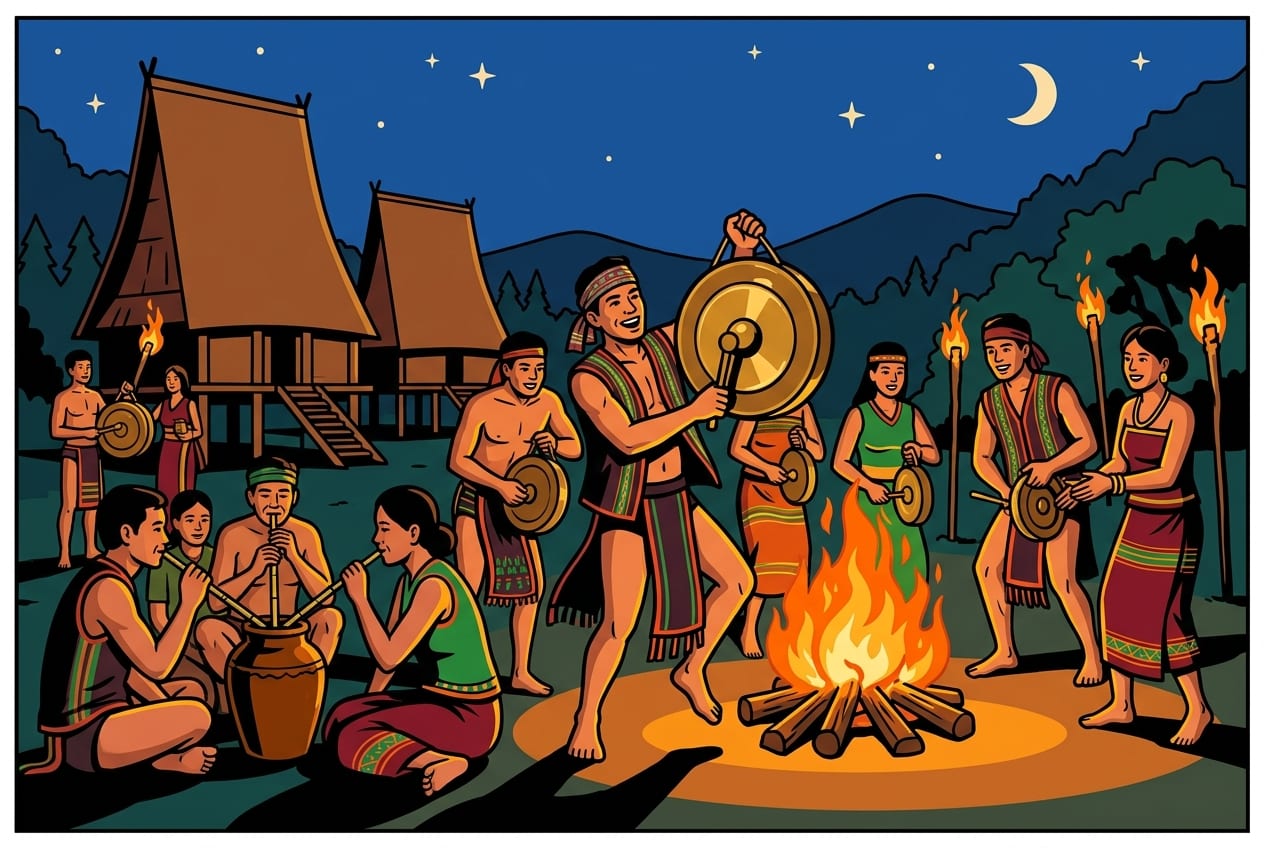
Imagine a sound that’s not just music, but a conversation with the spirits, a bridge between worlds. In Vietnam’s Central Highlands, this isn’t a fantasy – it’s the living, breathing reality of the UNESCO-recognized Gong Culture. Far from being mere instruments, gongs here are the very heart and soul of ethnic minority communities, echoing with ancestral wisdom and divine power. For any traveler yearning for a truly profound and immersive experience, stepping into a gong ceremony is like unlocking a secret portal to Vietnam's spiritual core.
This ancient tradition, woven into the fabric of daily life and seasonal cycles, offers a deep glimpse into Vietnam's spiritual landscape. It's a chance to move beyond the usual tourist trails and connect with a heritage that has thrived for centuries. Ready to feel the vibrations, share the rice wine, and witness a spectacle that will stay with you long after the last echo fades? Let's dive into the mesmerizing world of the Central Highlands Gong Culture.
More Than Music: The Soul of the Gongs
In the Central Highlands, gongs transcend their musical function, acting as sacred conduits for communication with ancestors, deities, and the supernatural. Each gong is believed to house a spirit, its power and value increasing with age, making it a profound symbol of a family's wealth, authority, and spiritual protection within the community.
For the Ba Na, Gia Rai, E De, M'Nong, and Xo Dang people, gongs are not just objects; they are living entities, repositories of communal memory and spiritual energy. They are crafted from bronze or alloys, their resonant tones believed to carry messages between the human and divine realms. The older the gong, the more potent its spirit is considered, often becoming a cherished family heirloom passed down through generations. Owning a large, ancient gong ensemble signifies not only material wealth but also high social status and spiritual blessing.
The sounds themselves are a language. A specific rhythm might call upon the rice deity for a bountiful harvest, another might soothe the spirits of the deceased during a funeral, while a joyful melody celebrates a wedding or the birth of a child. These aren't performances in the Western sense; they are rituals, prayers, and affirmations of identity. To understand the gongs is to understand the deep spiritual connection these communities have with their land, their ancestors, and the unseen forces that govern their lives. UNESCO recognized this profound cultural significance by inscribing the 'Space of Gong Culture in the Central Highlands of Vietnam' on the Representative List of the Intangible Cultural Heritage of Humanity in 2008. Learn more about this heritage from UNESCO.
Who's Playing What? Ethnic Groups & Their Gong Traditions
The Central Highlands is home to numerous ethnic groups, each with unique variations in their gong ensembles, playing techniques, and the specific rituals they accompany. While traditionally men often lead gong performances, some communities also feature women in significant roles, showcasing the diverse expressions within this vibrant cultural space.
While many groups share the general reverence for gongs, their styles and ensembles can differ dramatically. The Ba Na, for instance, are known for their intricate sets of gongs, often played by a large ensemble during communal gatherings. The Gia Rai are famous for their unique 'gong-drum' ensembles, where gongs are often accompanied by large drums, creating a powerful, rhythmic soundscape. The E De people, one of the largest groups in the region, utilize different types of gongs for various ceremonies, from buffalo sacrifice rituals to house-warming celebrations. Their traditional longhouses often serve as the backdrop for these events. The M'Nong and Xo Dang also have distinct traditions, reflecting their unique histories and spiritual beliefs. For example, some M'Nong ceremonies involve gongs played in conjunction with storytelling and epic poems.
It's a beautiful tapestry of sound and tradition. While gong playing is often seen as a male domain, particularly for larger, heavier gongs, some ethnic groups like the Ma, M'Nong, and E De Bih also feature women as skilled gong performers or dancers, adding to the rich diversity of these cultural expressions. This inclusivity highlights the communal nature of the culture, where everyone plays a role in preserving and celebrating their heritage.
Joining the Rhythm: How to Experience a Gong Ceremony
To truly experience the Central Highlands Gong Culture, travelers should seek out authentic ceremonies, often found in local villages or during the annual Gong Cultural Festival. Arranging visits through ethical tour operators is highly recommended to ensure respectful engagement and support for the local communities.
The Central Highlands provinces of Kon Tum, Gia Lai, Dak Lak, Dak Nong, and Lam Dong are your primary gateways to this experience. While you might stumble upon smaller, spontaneous gatherings, the most direct and organized way to witness large-scale performances is through the Gong Cultural Festival. Mark your calendars: this annual festival is scheduled to take place from December 18, 2025, to January 2, 2026, in Lam Dong Province, with activities extending to Pleiku City, Kbang, Đak Đo, and Chu Pah. It’s an incredible opportunity to see multiple ethnic groups perform, often in their vibrant traditional attire, and feel the collective energy of this sacred tradition. Find more details about the festival's host province here.
Beyond the festival, many local villages, such as KonKoTu Village (Kon Tum), Plei Op Culture-Tourism Village (Gia Lai), Jun Village (Dak Lak), and K'Ho ethnic villages near Da Lat, welcome visitors. These visits often provide a more intimate setting, allowing you to sit around a warm bonfire, share traditional rice wine (rượu cần), and observe the dances and rituals up close. When choosing a tour, always look for operators who prioritize direct community engagement and fair compensation. This ensures your visit genuinely supports the preservation of this invaluable heritage.
What to Expect at a Ceremony: Sights, Sounds, and Flavors
A gong ceremony is a multi-sensory spectacle, blending visual splendor with deep spiritual sounds and communal traditions. Expect to see participants in traditional attire, hear powerful gong ensembles, and potentially share in local customs like drinking rượu cần around a bonfire, creating an unforgettable atmosphere.
Visually, a gong ceremony is captivating. The traditional attire of groups like the Ede and Ba Na often features earthy tones of black, indigo, and brown, richly contrasted with vibrant stripes and intricate embroidery in reds, whites, greens, blues, and sometimes gold threads. Women might wear striking boatneck shirts and sarong skirts with horizontal patterns, while men don loincloths, occasionally complemented by ponchos in cooler weather. The gongs themselves, crafted from bronze or alloys, gleam with metallic hues, ranging in size from small hand-held pieces to large, resonant instruments up to 120 cm in diameter.
Ceremonies typically unfold in traditional communal houses (nhà rông for Ba Na/Gia Rai, nhà dài for E De) or in open village spaces, often at night, illuminated by the flickering glow of bonfires and torches. The cool, dry season weather (December-January, perfect for the festival!) adds to the atmospheric experience. The air fills not just with the deep resonance of gongs, but also with the earthy scent of woodsmoke and the joyful chatter of the community. You might also be offered rượu cần, the communal rice wine, served from large jars with long bamboo straws – a gesture of hospitality and shared experience. It’s a moment of deep connection, witnessing ancient traditions alive and vibrant.
Dos and Don'ts: Respecting the Sacred Sounds
When attending a gong ceremony, showing respect for the local culture and sacred traditions is paramount. Dress modestly, ask permission before taking photos, and be mindful of local customs, especially regarding sacred objects and the communal rượu cần, to ensure a positive and respectful experience for all.
Do
- Dress modestly, covering shoulders and knees, especially when entering communal houses or sacred spaces.
- Always ask for permission before taking photos or videos of people, especially during rituals.
- Accept
rượu cầnif offered; it's a gesture of hospitality. Use the provided bamboo straw and take a small sip. - Observe quietly and respectfully during ceremonies. Try to understand the significance of what you are witnessing.
- Engage with local guides or tour operators who have established relationships with the communities and prioritize ethical tourism.
Don't
- Do not touch gongs or other sacred objects without explicit permission.
- Avoid pointing with your finger; use your whole hand to gesture.
- Don't interrupt or make loud noises during solemn parts of a ceremony.
- Refrain from excessive drinking, even if
rượu cầnis flowing freely. Maintain a respectful demeanor. - Do not offer money directly to performers or villagers; if you wish to contribute, do so through your ethical tour operator or a designated community fund.
Understanding these nuances ensures that your presence is welcomed and appreciated. Remember, you are a guest in a deeply spiritual space. A little preparation and mindfulness go a long way in fostering genuine cross-cultural understanding. Just like learning about the etiquette for a Vietnamese wedding or navigating the customs in Sa Pa, being culturally aware enriches your journey immensely.
Embracing the Central Highlands Gong Culture is more than just observing; it's about participating in a living heritage. It's an opportunity to connect with people, traditions, and a spiritual world that continues to thrive amidst Vietnam's modernity. So, when you plan your trip to Vietnam, consider venturing into the mountains, where the ancient rhythms of the gongs await to tell you stories of the land and its people.
What is the best time to visit the Central Highlands to experience Gong Culture?
The dry season, from December to April, is generally the most pleasant time to visit the Central Highlands. Specifically, the Gong Cultural Festival often takes place in late December and early January (e.g., December 18, 2025, to January 2, 2026), making this period ideal for witnessing large-scale ceremonies and cultural gatherings. The weather is cooler and less rainy, perfect for outdoor events.
How can I ensure my visit to a gong ceremony is ethical and supports local communities?
To ensure an ethical visit, choose tour operators who work directly with local communities, provide fair compensation, and prioritize cultural preservation. Avoid large, impersonal tours that might not respect local customs. Look for operators who emphasize cultural exchange and educate visitors on appropriate behavior, ensuring your tourism dollars directly benefit the people preserving this heritage.
Is it safe to drink rượu cần (rice wine) during a ceremony?
Rượu cần is a traditional part of many ceremonies and is generally safe when prepared by local communities. It's often offered as a gesture of hospitality. You can politely accept and take a small sip from the bamboo straw. The alcohol content can vary, so it's wise to drink in moderation and be mindful of your limits, especially during a sacred event.
Practise the words you just read
Vietnamese phrases for real situations, each with native audio in both accents.
Topics
Read more
Other posts from our Vietnamese learning blog.
By Xinchao team
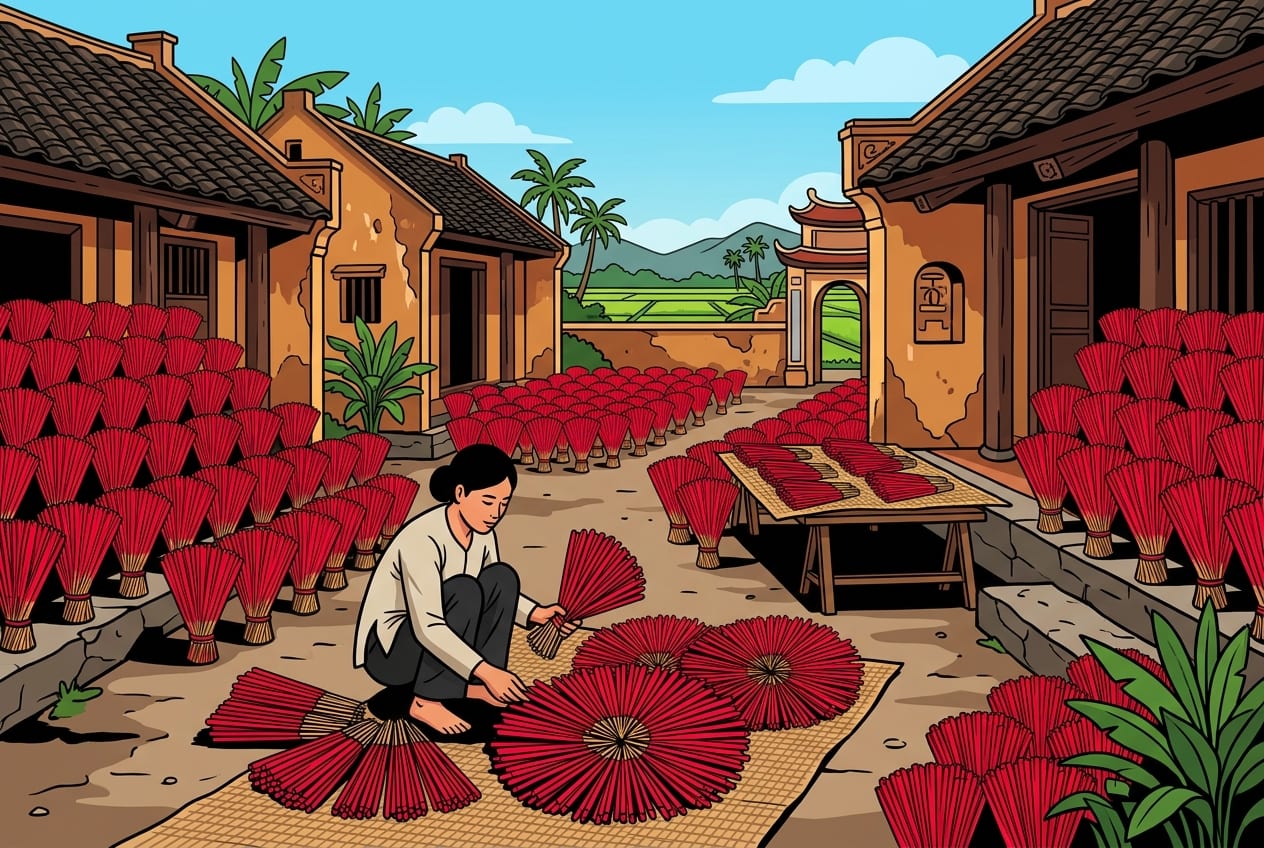
From Ancient Hands to Modern Homes: Why Vietnam's Traditional Craft Villages Are the Hottest New Cultural Experience (and Where to Find Them!)
Experience the heart of Vietnam's culture by visiting its traditional craft villages. From the delicate artistry of Bat Trang pottery to the shimmering silks of Van Phuc, these vibrant communities offer authentic encounters with generations-old skills and stories.
By Xinchao team
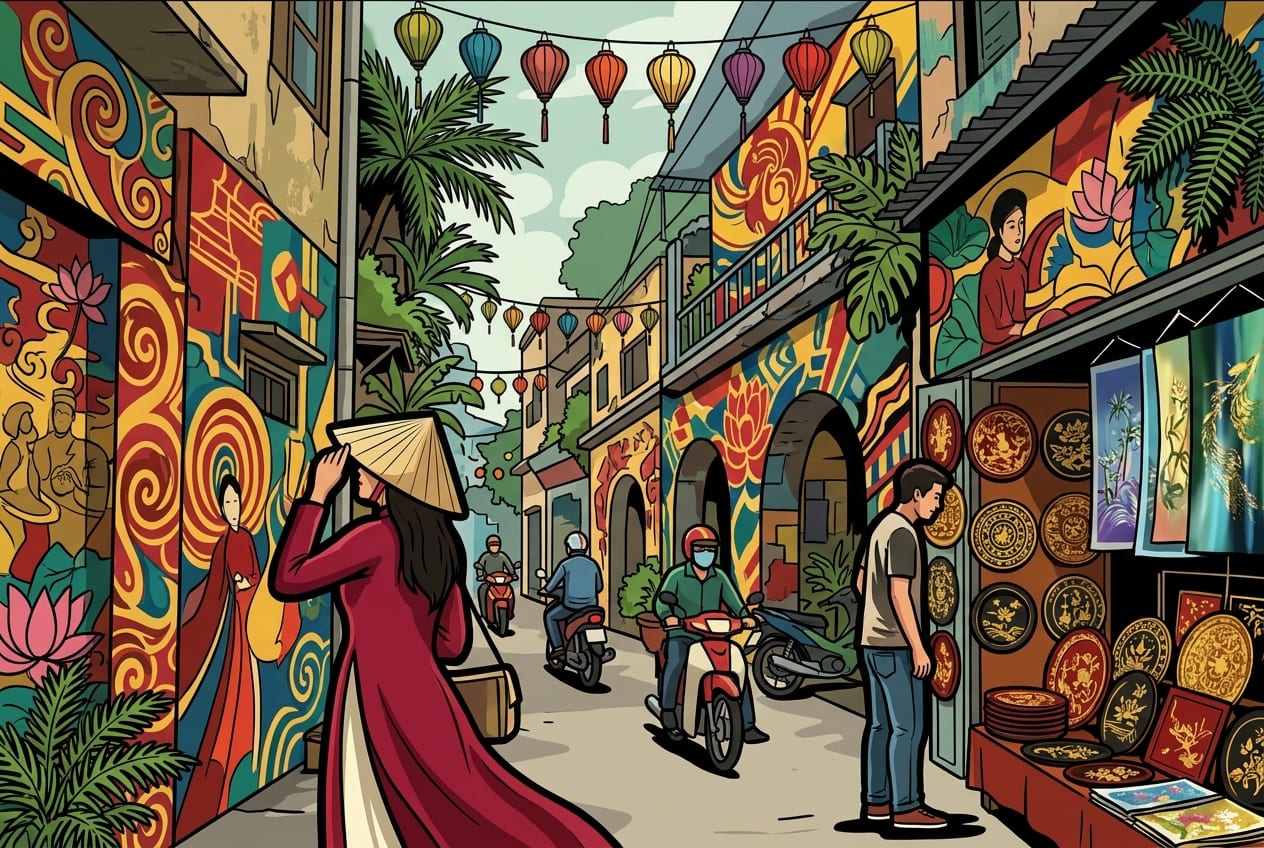
From Venice to the Streets: How to Dive Into Vietnam's Booming Art Scene (Even If You Skip the Gondola!)
Vietnam is making waves on the international art scene with its Venice Biennale debut. Explore the nation's dynamic galleries, vibrant street art, and rich cultural expressions in Hanoi and Ho Chi Minh City, blending ancient traditions with modern perspectives.
By Xinchao team
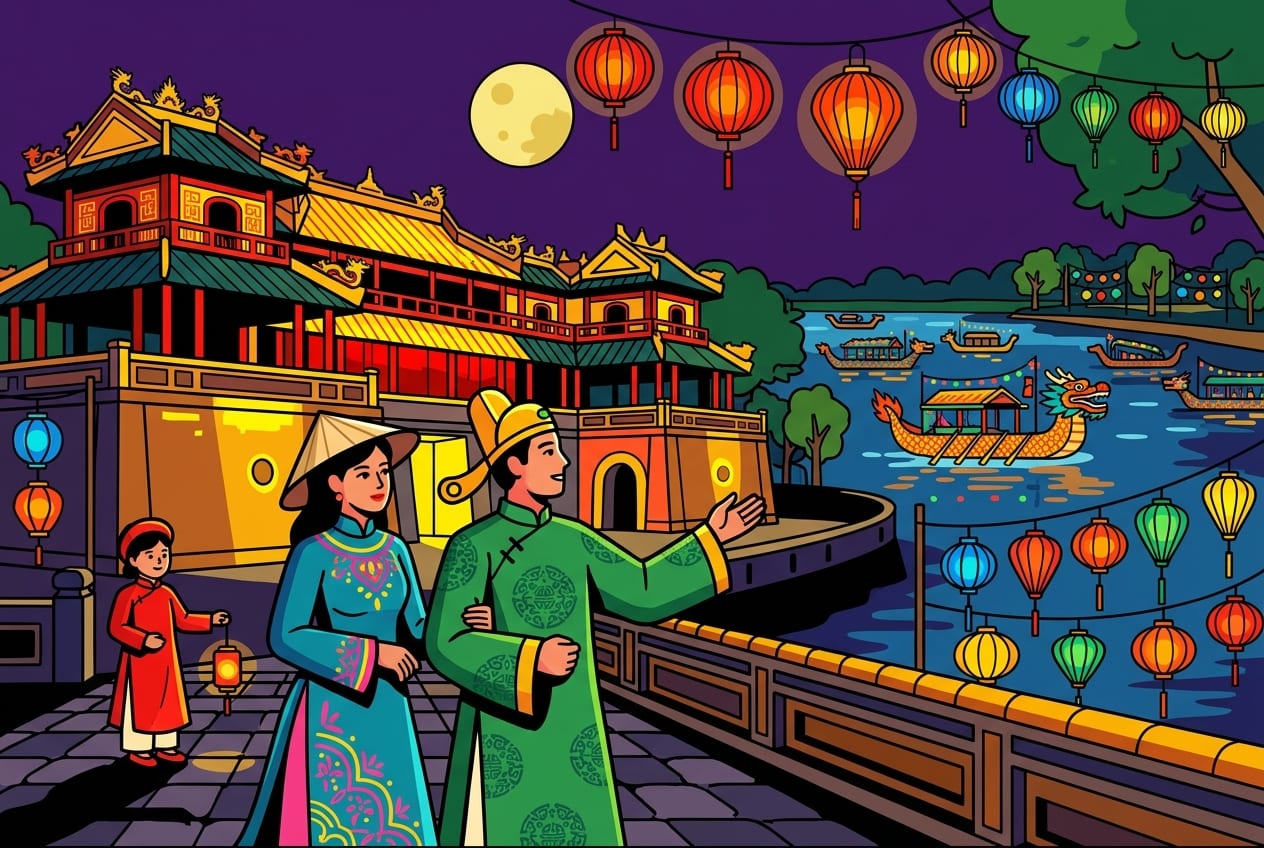
Hue Festival 2026: Time-Traveling to Vietnam's Imperial Heart!
Experience the magic of the 2026 Hue Festival, a year-long celebration of Vietnam's imperial past. From royal court music to dazzling river parades, get ready for an unforgettable cultural immersion in Hue.