Beyond the Screen: Why Vietnamese Calligraphy (Thư Pháp) is the Soul-Soothing Art You Need!
Step into the serene world of Thư Pháp, where elegant strokes of ink on paper offer more than just beautiful writing—they reveal the heart of Vietnamese culture and provide a unique window into the language.
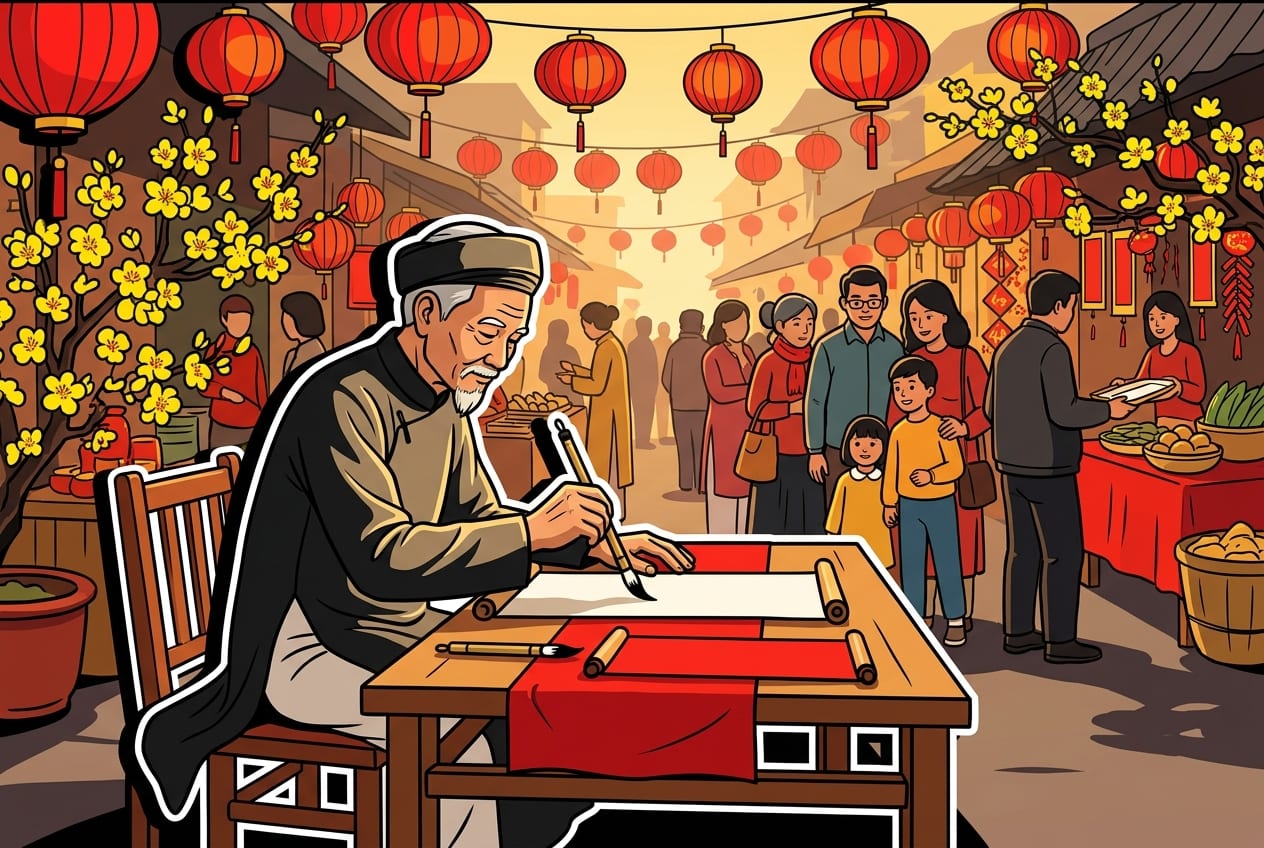
In a world buzzing with digital screens, there's a profound beauty in slowing down, in the deliberate stroke of a brush, the scent of ink, and the rustle of rice paper. Welcome to the captivating world of Vietnamese calligraphy, known as Thư Pháp. It's not just about writing; it's an ancient art form, a meditative practice, and a powerful cultural statement that's surprisingly accessible for travelers seeking a deeper connection with Vietnam.
For centuries, Thư Pháp has been a cornerstone of Vietnamese culture, embodying wisdom, discipline, and aesthetic grace. Today, it's experiencing a vibrant renaissance, blending traditional techniques with modern interpretations, inviting you to discover its soul-soothing charm. Imagine yourself in a bustling market during Tết, watching a master calligrapher bring words of prosperity and happiness to life, or perhaps trying your hand at the brush yourself in a quiet workshop. This isn't just a souvenir; it's an experience, a language lesson, and a piece of Vietnamese soul you can take home.
Why Thư Pháp is More Than Just Pretty Letters
Vietnamese calligraphy, or Thư Pháp, transcends mere aesthetics to embody profound cultural values rooted in Confucian ideals. Historically, it was a scholar's art, signifying moral integrity, intellectual refinement, and disciplined wisdom. Today, it continues to serve as a vital link between generations, preserving national identity and cherished values, especially during significant cultural celebrations like Tết.
At its heart, Thư Pháp is a reflection of a person's character. The way a calligrapher holds the brush, the pressure applied, the flow of the ink – all are seen as extensions of their inner self. It's a practice that demands patience, focus, and a steady hand, cultivating a sense of calm and mindfulness in both the artist and the observer. During Tết (Lunar New Year), this art takes center stage. Families commission or purchase calligraphic works bearing auspicious wishes like 'Phúc' (Happiness), 'Lộc' (Wealth), and 'Thọ' (Longevity), displaying them in their homes to invite good fortune for the coming year. It's a beautiful, tangible expression of hope and tradition, passed down through generations.
The Evolution of Vietnamese Calligraphy: A Living Art
Vietnamese calligraphy has a rich history, evolving from ancient scripts to its modern form. Initially rooted in Chinese characters (Chữ Hán) and the indigenous Chữ Nôm script, it reflected a deep connection to East Asian cultural traditions. Today, contemporary Vietnamese calligraphy primarily utilizes the Latin-based Quốc Ngữ alphabet, blending traditional brush techniques with a modern, accessible script to preserve and renew this cherished art form for new generations.
While the elegant strokes and philosophical depth remain, the canvas for Thư Pháp has evolved. Historically, scholars would painstakingly master intricate Chữ Hán and Chữ Nôm characters, a testament to their education and cultural standing. However, with the widespread adoption of Quốc Ngữ – the Romanized script for Vietnamese – in the early 20th century, calligraphy adapted. This shift made the art form more accessible to the general public, moving it beyond the exclusive domain of scholars to become a popular decorative and celebratory art. You can learn more about the history of Quốc Ngữ on Wikipedia's page on Vietnamese language.
Today's calligraphers skillfully merge the fluidity of traditional brushwork with the familiar letters of Quốc Ngữ, creating pieces that are both deeply traditional and distinctly modern. This fusion ensures that Thư Pháp continues to thrive, resonating with younger generations who appreciate its artistic beauty and cultural significance, even as it embraces contemporary influences in design and expression.
Your Guide to Experiencing Calligraphy in Vietnam
Vietnam offers numerous opportunities to engage with Thư Pháp, especially for travelers keen on cultural immersion. From bustling urban centers to ancient towns, you can find workshops, festivals, and galleries dedicated to this art. Visiting during Tết (Lunar New Year) is particularly recommended, as this is when calligraphy traditions are most visibly celebrated in public spaces across the country.
Hanoi: The Capital's Calligraphy Heart
Hanoi is a prime location for experiencing Vietnamese calligraphy, particularly at the Temple of Literature (Văn Miếu – Quốc Tử Giám). This historic site hosts a vibrant Spring Calligraphy Festival through early March, featuring numerous booths where skilled calligraphers demonstrate their art. Workshops are widely available, offering personalized guidance for travelers to try their hand at this meditative practice.
The Temple of Literature, Vietnam's first national university, becomes a focal point for Thư Pháp during the Spring. Here, you'll find seasoned calligraphers, often elderly gentlemen dressed in traditional áo dài, patiently crafting beautiful characters for eager customers. Workshops in Hanoi typically range from $36 to $45 USD for a two-hour session, often in small groups, providing an intimate setting to learn basic strokes and character meanings. It’s an ideal way to connect with local artists and understand the nuances of this revered art form.
Ho Chi Minh City: Urban Artistry & Tết Spirit
Ho Chi Minh City embraces Vietnamese calligraphy with a vibrant, urban flair, especially during Tết when a dedicated 'Calligraphy Street' emerges. This area transforms into a dynamic cultural hub, showcasing master calligraphers and traditional decorations. Galleries throughout the city also provide opportunities to admire and acquire Thư Pháp art, reflecting the city's lively artistic scene.
During the festive season, the 'Calligraphy Street' in Ho Chi Minh City is a sensory delight, bustling with life, color, and the rhythmic sound of brushes on paper. Beyond Tết, galleries like Thư Pháp Chữ Việt and Thư pháp Gia Nguyễn offer a chance to purchase original works, with prices varying widely from 200,000 to 10,000,000 VND (approximately $8-$400 USD), depending on the artist and complexity. Participating in a workshop here offers a unique blend of traditional art within a modern, bustling metropolis.
Hue & Hoi An: Historic Charm Meets Artistic Expression
The historic cities of Hue and Hoi An offer charming settings to explore Vietnamese calligraphy, often within their rich cultural centers and art studios. Workshops here are generally more affordable, providing an accessible way to delve into the art form. Guided tours that incorporate calligraphy experiences are also available, blending artistic appreciation with historical exploration, making for a memorable cultural journey.
In Hue, the former imperial capital, workshops in cultural centers and art studios can be found for prices ranging from $5–$20 USD (125,000–500,000 VND). Guided tours that include a calligraphy session might cost between $15–$60 USD, offering a comprehensive cultural experience. Similarly, Hoi An, a UNESCO World Heritage site, provides calligraphy classes starting from around $29 USD. These intimate settings allow for a deeper appreciation of the art amidst the ancient architecture and serene atmosphere. For more on Hoi An's cultural experiences, check out our guide on Why Is Everyone Eating in Narrow Alleys? A Deep Dive into Hoi An’s Heritage Street Food.
Across Vietnam, you can often book workshops through online platforms like GetYourGuide, KKday, or Viator, or by directly contacting local cultural centers and art studios. Don't be shy to ask at your hotel or a local tourism office for recommendations.
Decoding the Colors and Wishes of Thư Pháp
Vietnamese calligraphy is a feast for the senses, with its visual appeal deeply rooted in color symbolism. Red, signifying luck, happiness, and prosperity, is often used for scrolls and banners. Yellow or gold represents wealth, royalty, and good fortune, while the stark black ink on white paper symbolizes purity. These colors combine to convey powerful blessings and cultural meanings.
When you encounter Thư Pháp, especially during Tết, the dominant colors are immediately striking. You'll often see calligraphers working on beautiful red or white rice paper scrolls. Red is the color of celebration and good luck, a pervasive sight during Vietnamese festivals. Yellow or gold, often used for decorative elements or specific characters, represents prosperity and imperial grandeur. The contrast of rich black ink against these vibrant backgrounds is not just aesthetically pleasing but also carries profound meaning.
Common characters requested for blessings include:
- Phúc (福): Happiness, blessings, good fortune.
- Lộc (祿): Wealth, prosperity, official emolument.
- Thọ (壽): Longevity, a long life.
- An (安): Peace, tranquility.
- Đức (德): Virtue, morality.
Do
- Dress modestly, especially when visiting cultural or religious sites like the Temple of Literature.
- Show respect by greeting elders first (use 'Chào ông/bà' for 'Hello, sir/madam').
- Use both hands when giving or receiving items, including a calligraphy piece.
- Observe quietly and respectfully when artists are at work.
- Ask permission before taking close-up photos of artists or their work.
Don't
- Interrupt a calligrapher while they are focused on their work.
- Point with your feet or touch someone's head.
- Be loud or boisterous in cultural spaces.
- Haggle aggressively over the price of a finished art piece, as it is a skilled craft.
Respecting the Art and the Artist: Calligraphy Etiquette
When engaging with Vietnamese calligraphers or observing their art, cultural etiquette is paramount to show respect for both the artist and the tradition. Simple gestures like greeting elders first and using both hands when exchanging items demonstrate an appreciation for local customs. Dressing modestly, particularly in cultural or religious sites, further conveys respect for the sacredness of the art form.
Vietnamese culture places a high value on respect for elders and traditions. When you approach a calligrapher, especially an older master, a polite greeting like 'Chào ông' (for an elderly man) or 'Chào bà' (for an elderly woman) goes a long way. If you're receiving a piece of calligraphy or paying for a workshop, always use both hands when giving or receiving. This small gesture shows deference and appreciation. Remember, the art of Thư Pháp is not just a transaction; it's an exchange of cultural heritage and personal expression.
When observing artists, maintain a respectful distance and avoid loud conversations. If you wish to take photos, always ask for permission first, especially if you're taking close-ups. Most artists are happy to oblige, but a polite request shows you value their work and privacy. This mindful engagement enriches your experience and honors the centuries-old tradition of Thư Pháp.
Do I need to speak Vietnamese to take a Thư Pháp workshop?
No, while knowing some Vietnamese phrases is always helpful, many calligraphy workshops catering to travelers will have English-speaking instructors or assistants. The art itself is visual and experiential, so language barriers are often minimal. Focus on the brush strokes and the meaning of the characters you're learning, which will be explained in English.
What kind of calligraphy should I expect to learn: Chữ Hán or Quốc Ngữ?
Modern Vietnamese calligraphy workshops for travelers almost exclusively focus on Quốc Ngữ, the Latin-based Vietnamese alphabet. While Thư Pháp has historical roots in Chinese characters (Chữ Hán) and Chữ Nôm, learning Quốc Ngữ calligraphy is more accessible and relevant to contemporary Vietnamese culture, blending traditional techniques with the modern script.
Vietnamese calligraphy offers a unique blend of art, history, and cultural immersion. It's an invitation to slow down, connect with a profound tradition, and perhaps even discover a new form of meditation. Whether you're witnessing a master at work during the vibrant Tết celebrations or trying your hand at the brush in a quiet workshop, experiencing Thư Pháp is a soul-soothing journey that will deepen your appreciation for Vietnam's rich heritage. Don't just see Vietnam; feel its soul through the strokes of Thư Pháp.
Practise the words you just read
Vietnamese phrases for real situations, each with native audio in both accents.
Topics
Read more
Other posts from our Vietnamese learning blog.
By Xinchao team
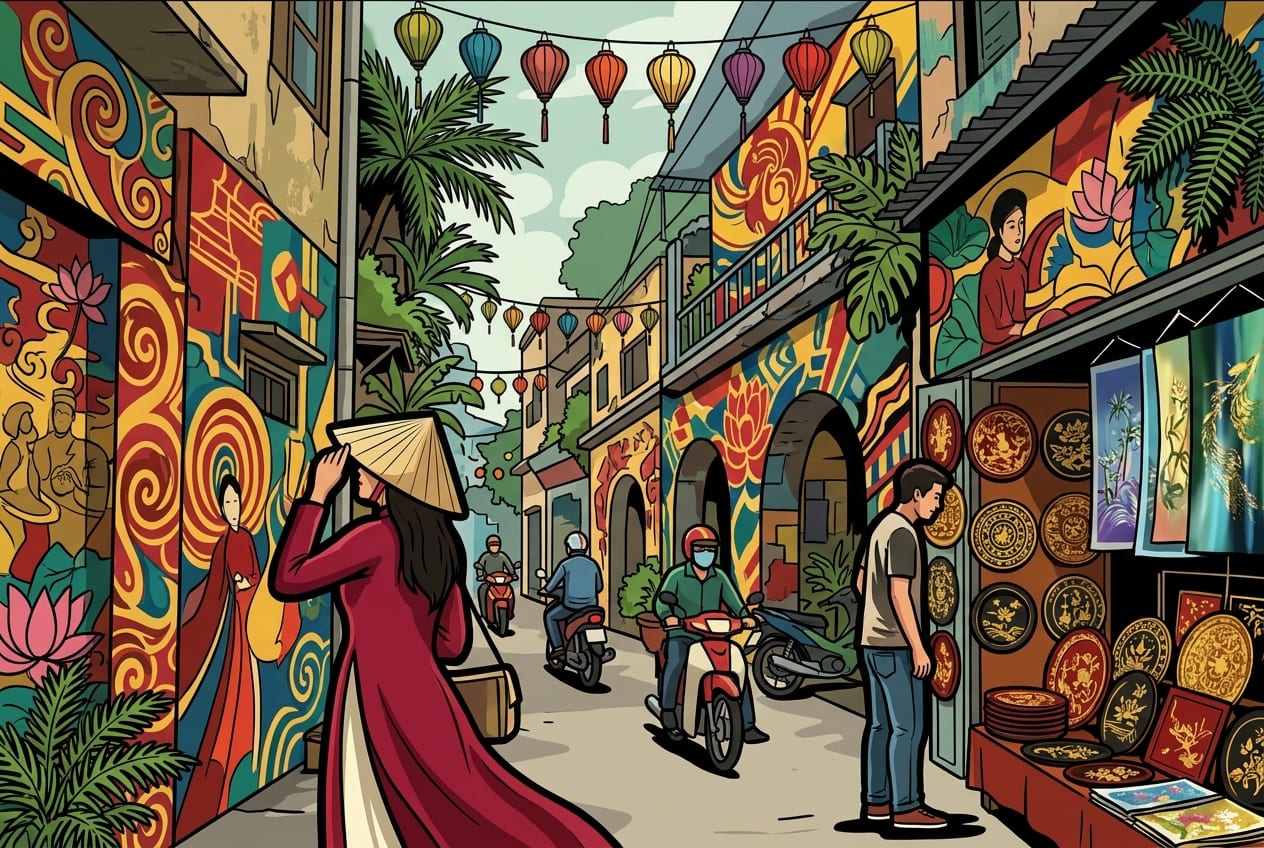
From Venice to the Streets: How to Dive Into Vietnam's Booming Art Scene (Even If You Skip the Gondola!)
Vietnam is making waves on the international art scene with its Venice Biennale debut. Explore the nation's dynamic galleries, vibrant street art, and rich cultural expressions in Hanoi and Ho Chi Minh City, blending ancient traditions with modern perspectives.
By Xinchao team
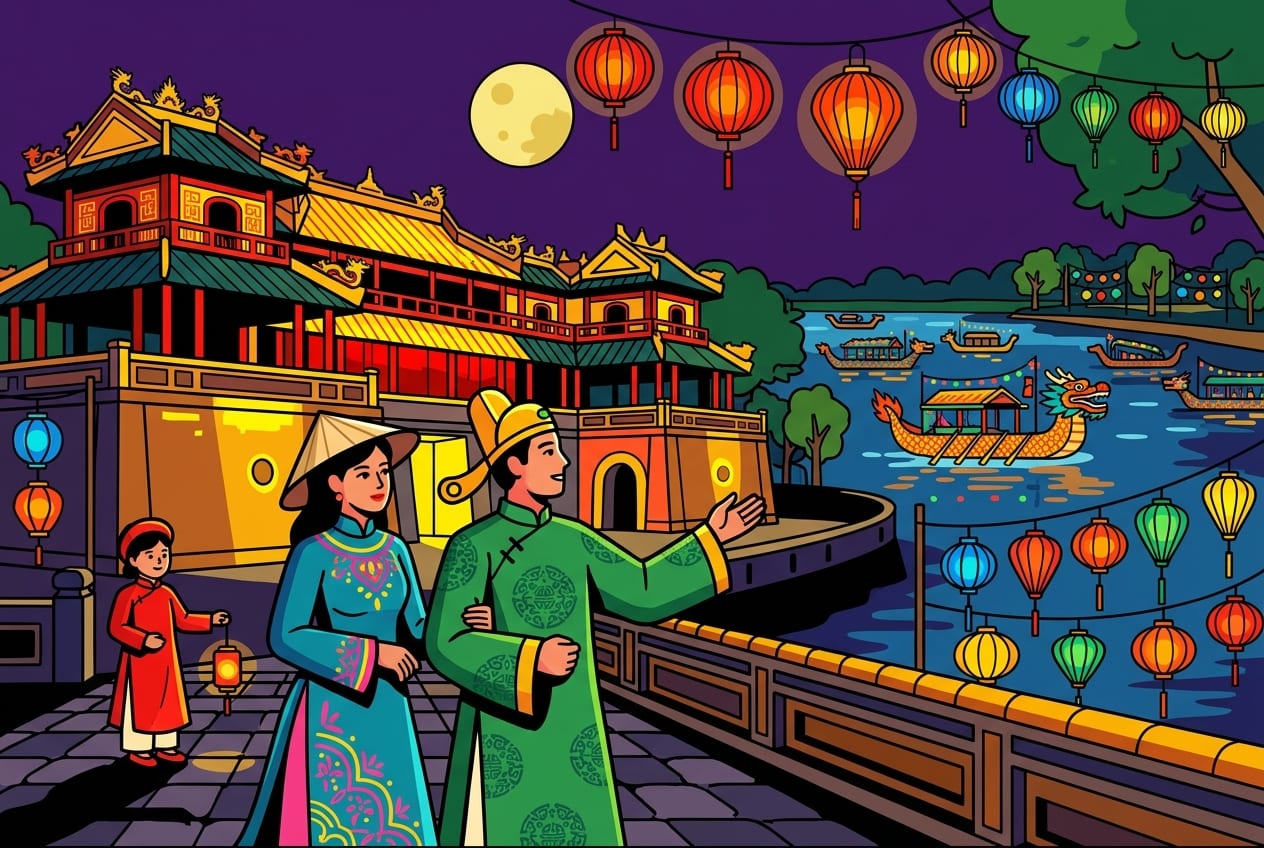
Hue Festival 2026: Time-Traveling to Vietnam's Imperial Heart!
Experience the magic of the 2026 Hue Festival, a year-long celebration of Vietnam's imperial past. From royal court music to dazzling river parades, get ready for an unforgettable cultural immersion in Hue.
By Xinchao team
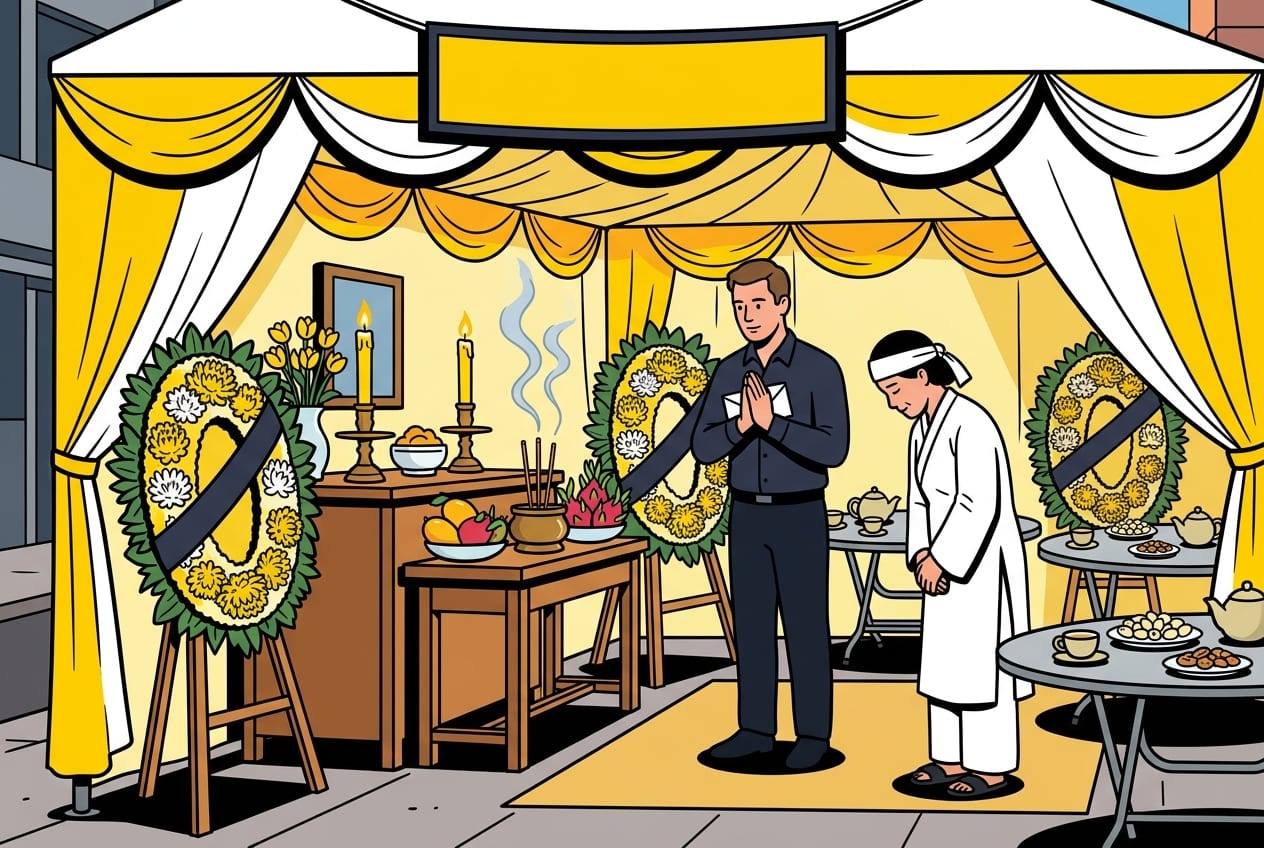
The Yellow Tent on the Street: A Respectful Guide to Attending a Vietnamese Funeral
An essential guide to navigating a Vietnamese funeral (đám tang) with respect, covering dress codes, condolence envelopes, and key cultural taboos.