Is Your Coffee Actually Healing You, or Are You Just in Da Lat?
Discover the 'Chữa Lành' (Healing) movement taking over Vietnam in 2026. From silent cafes in Hoi An to sound baths in Da Lat, learn how to find your inner peace.
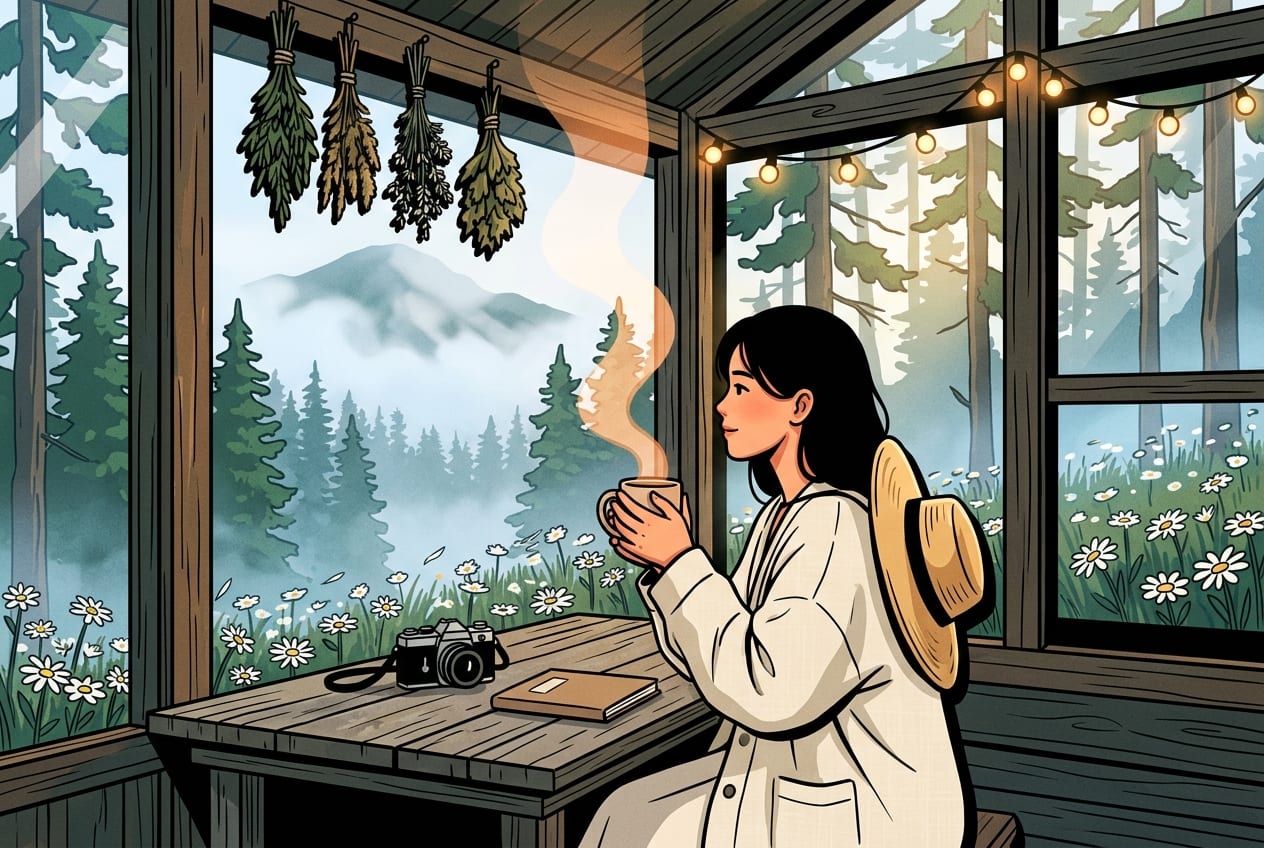
The Great 'Chữa Lành' Boom of 2026
'Chữa lành' translates to 'healing' and represents a massive lifestyle shift in Vietnam where urbanites escape high-pressure jobs for spiritual retreats. By 2026, it has moved beyond a buzzword into a structured industry of wellness cafes and silent spaces designed to combat burnout through sensory experiences and intentional quiet.
If you walk down a street in Saigon or Hanoi today, the energy is electric, loud, and incredibly fast. It is the heart of 'K-Work' culture—a term locals use for the grueling overwork that powers the nation's economy. But by the time Friday afternoon rolls around, a different kind of energy takes over. Thousands of young professionals pack their bags, not for a wild party in Nha Trang, but for a 'healing' journey to the highlands or the coast. In 2026, 'Chữa Lành' isn't just something you do; it's an entire economy. From the clothes you wear to the way you sip your tea, every detail is engineered to lower your cortisol levels and, let’s be honest, look amazing on your social media feed.
This movement has completely transformed the tourism landscape of Central Vietnam and Da Lat. Gone are the days when a cafe was just a place for a quick caffeine fix. Now, these spaces are 'Integrated Wellness Hubs.' You aren't just buying a latte; you are buying thirty minutes of silence, a hand-poured herbal infusion, and the permission to do absolutely nothing. It is a secular sanctuary for a generation that feels the weight of the world on their shoulders.
From Pretty Cafes to Wellness Hubs in Da Lat
Iconic spots like Túi Mơ To have pioneered the 'Digital Detox' movement, where visitors trade smartphones for discounts on herbal drinks. This shift encourages patrons to engage with the misty pine scenery of Da Lat directly, replacing mindless scrolling with sound baths and the tactile experience of handmade ceramics.
Da Lat has always been Vietnam’s 'city of eternal spring,' but in 2026, it is the capital of 'Chữa Lành.' At legendary spots like Tiệm Cà Phê Túi Mơ To or Mây Lang Thang, the experience has evolved. When you arrive, you might be asked to place your phone in a small, hand-woven bamboo locker. In exchange, your 100,000 VND ($4.00) lavender latte comes with a 15% 'Presence Discount.' The air is thick with the scent of pine and dried eucalyptus, and the only sound you’ll hear is the occasional ring of a Tibetan singing bowl.
These cafes now offer 'Sound Bath' sessions. Imagine sitting on a weathered wooden deck overlooking a valley of greenhouses. A staff member gently strikes a series of brass bowls, creating vibrations that supposedly realign your 'inner energy.' While it might sound a bit 'New Age' to some, for the stressed-out office worker from District 1, it is a lifeline. The focus is on the 'now'—the mist rolling over the hills, the warmth of the ceramic cup in your hands, and the total absence of Slack notifications.
The Silence of Central Vietnam: Hoi An and Da Nang
In Central Vietnam, the healing trend manifests as 'Silent Cafes' where communication occurs through wooden blocks rather than speech. Places like Reaching Out Tea House prioritize 'energy preservation,' allowing travelers to experience the ancient atmosphere of Hoi An without the noise of modern tourism or the distractions of technology.
While Da Lat offers the misty mountains, Central Vietnam provides a coastal brand of healing. In the outskirts of Hoi An, near the lush coconut groves of Cẩm Thanh, 'Silent Cafes' have become the ultimate destination. At places like An Nhiên Farm, the menus are printed on rough, handmade rice paper. If you need to order or ask for more water, you don't call out 'Em ơi!' (the standard Vietnamese way to get a server's attention). Instead, you use small wooden blocks with carvings like 'Water,' 'Bill,' or 'Thank You.'
This silence is intentional. It’s a response to the 'noise pollution' of modern life. In these spaces, your energy is considered a currency. By not speaking, you are 'saving' your energy for self-reflection. The architecture reflects this too—open-air structures made of reclaimed wood, floors of packed earth or terracotta tiles, and views of slow-moving river water. It is a stark contrast to the neon lights and karaoke speakers found in the more touristy parts of town.
The 'Rule of Whispers': A New Social Contract
The cultural concept of 'đi nhẹ, nói khẽ' (walk softly, speak quietly) has become the golden rule in these healing sanctuaries. This social contract transforms boisterous Vietnamese coffee habits into a meditative experience, ensuring that every visitor respects the collective peace while seeking their own personal mental clarity.
Vietnamese culture is traditionally very social and often quite loud—think of the '1, 2, 3, Dô!' cheers at a beer garden. However, the 'Chữa Lành' movement has introduced a strict new social contract: đi nhẹ, nói khẽ. This phrase, which literally means 'walk lightly, speak softly,' is often posted on hand-painted wooden signs at the entrance of these cafes. It is an unwritten rule that even the most energetic teenagers follow once they step into a healing zone.
If you accidentally speak too loudly or let your phone ring, you won't get a lecture, but you will definitely feel the 'vibe' shift. The 'Rule of Whispers' is about collective respect. Everyone in the room is there to escape something, and your noise is seen as an intrusion into their mental recovery. It’s a fascinating shift in a country known for its bustling, high-decibel street life.
The Aesthetic of Inner Peace (and Linen)
The 2026 healing aesthetic is defined by 'Organic Minimalism,' featuring a palette of oatmeal, sage green, and terracotta. Patrons typically wear oversized linen or raw cotton clothing, creating a visual harmony with the natural environment that signals their commitment to a slower, more intentional way of living.
You cannot 'heal' in 2026 without the proper outfit. The visual language of 'Chữa Lành' is incredibly specific. It’s called 'Organic Minimalism.' If you want to fit in, leave your bright logos and synthetic fabrics at home. The 'uniform' consists of oversized linen shirts, wide-leg raw cotton trousers, and earth-toned accessories. The goal is to look like you just woke up from a nap in a wildflower meadow.
The colors are strictly muted: oatmeal, sage green, dusty terracotta, and cream. This aesthetic extends to the cafes themselves. You’ll see 'Wabi-sabi' ceramics with intentional cracks, dried flowers hanging from the ceiling, and furniture that looks like it was driftwood found on a beach. This visual consistency is part of the therapy. It’s a 'sensory diet'—by removing harsh colors and artificial materials, the brain is allowed to rest.
Why Your Instagram Needs This Healing
In Vietnamese youth culture, documenting one's peace is seen as a vital part of the recovery process. The 'check-in' culture of 2026 treats a well-composed photo of a meditation session as a form of social proof that one is successfully managing their mental health and prioritizing self-care.
There is a bit of a paradox in the 'Chữa Lành' movement. While it advocates for a 'Digital Detox,' it is also one of the most photographed trends in Vietnam. For the local youth, the 'check-in' is a crucial step in the healing process. Capturing a photo of a single wildflower in a ceramic vase or a shot of the morning mist over a valley is a way of 'claiming' that peace for oneself.
It’s not just about showing off; it’s about inspiration. By sharing their 'healing' moments, people feel they are spreading a calmer energy to their stressed-out friends back in the city. The lighting is key—everyone aims for the 'Golden Hour' (around 4:30 PM in Hoi An) or the 'Mist Hour' (7:00 AM in Da Lat). If the lighting is soft and the linen is wrinkled just right, the healing is considered complete.
Planning Your Healing Circuit
To truly experience this movement, travelers should move away from luxury hotels toward 'Healing Homestays' in areas like Trại Mát or Cẩm Thanh. These locations offer proximity to nature and early morning 'mist windows,' which are considered the peak times for absorbing healing energy and capturing the perfect aesthetic photograph.
If you want to experience the 2026 'Healing Circuit,' don't book a standard hotel. Instead, look for 'Healing Homestays.' In Da Lat, the Trại Mát area is the place to be. These are often small wooden cottages tucked away in the middle of flower farms. You wake up to the sound of roosters and the sight of clouds floating past your window. In Hoi An, head to Cẩm Thanh or An Mỹ, where you can stay in a bamboo-walled villa surrounded by rice paddies.
The most popular activity in 2026 is 'Workshop-Hopping.' Instead of just visiting five different cafes to drink coffee, you spend your afternoon doing something tactile. You might pay for a 'Healing Combo' (around 250,000 VND), which includes a cup of cold-brew hibiscus tea, a lump of clay for a pottery class, and a 30-minute guided meditation session. It’s an active form of relaxation that gives your mind a specific task so it stops worrying about work.
Do
- Trade your phone for the 'Digital Detox' discount; it really helps the vibe.
- Wear earth tones or linen if you want to blend in with the locals.
- Arrive early (before 8:00 AM) to catch the best mist and the quietest atmosphere.
- Use the wooden blocks to order in silent cafes to respect the energy of the space.
Don't
- Don't take phone calls on speaker or watch loud videos in 'Chữa Lành' zones.
- Avoid wearing neon colors or heavy logos, as it clashes with the 'Organic Minimalism' aesthetic.
- Don't rush the experience; these cafes are designed for staying at least 1-2 hours.
- Don't forget to ask for permission before taking photos of other patrons 'healing'.
Is the 'Digital Detox' mandatory at these cafes?
It's usually optional but highly encouraged. Most cafes like Túi Mơ To offer a discount or a small gift (like a handmade bookmark) if you lock your phone away. It's a great way to force yourself to actually enjoy the scenery.
What should I wear to a 'Healing' workshop in Da Lat?
Think 'breathable and neutral.' Oversized linen shirts, cotton pants, or long flowy dresses in beige, sage, or brown are the standard. Since Da Lat is chilly, bring a knit cardigan in a similar earthy tone.
Are these 'Healing' cafes more expensive than regular ones?
Yes, you are paying for the atmosphere and the 'wellness' services. A typical latte might be 85,000–120,000 VND, whereas a normal street coffee is 20,000–30,000 VND. The workshops and 'Healing Combos' usually start around 250,000 VND.
How do I find a 'Silent Cafe' in Hoi An?
Look for the keywords 'Silent Cafe' or 'Tea House' on maps, or visit the Reaching Out Tea House in the Ancient Town. Many new healing cafes are also popping up in the Cẩm Thanh and An Mỹ rural areas just outside the city center.
Topics
Read more
Other posts from our Vietnamese learning blog.
By Xinchao team
Gặp nhau! Why You Can't Miss Vietnam's First-Ever Culture Day on November 24, 2026!
Mark your calendars! Vietnam's new Culture Day on November 24, 2026, promises a nationwide celebration of heritage. Learn what this "spiritual rendezvous" means for locals and how travelers can dive into unique cultural experiences across the country.
By Xinchao team
Zen & Lens: Your Guide to Pagoda-Hopping for Peace and Perfect Shots in Vietnam
Ready to explore Vietnam's stunning pagodas? Learn the 'whys' behind local customs, master respectful etiquette, and discover the best spots for breathtaking photos and serene reflection. Your guide to an unforgettable cultural adventure awaits!
By Xinchao team
Beyond Bia Hơi: Where the Hops Are Hopping and the Toasts Are Roaring in Vietnam!
From aromatic IPAs to rich coffee stouts, Vietnam's craft beer scene is exploding. Get ready to explore vibrant taprooms, bustling festivals, and master the art of the Vietnamese toast, 'Một, hai, ba, dô!'