Sipping Coffee through the Clouds: Why the Hue-Da Nang Heritage Train is 2026's Ultimate Slow-Travel Experience
Forget the high-speed highway tunnels. Step aboard Vietnam's most romantic vintage railway carriage to sip salt coffee, hear live music, and wind through the legendary Pass of Ocean Clouds.
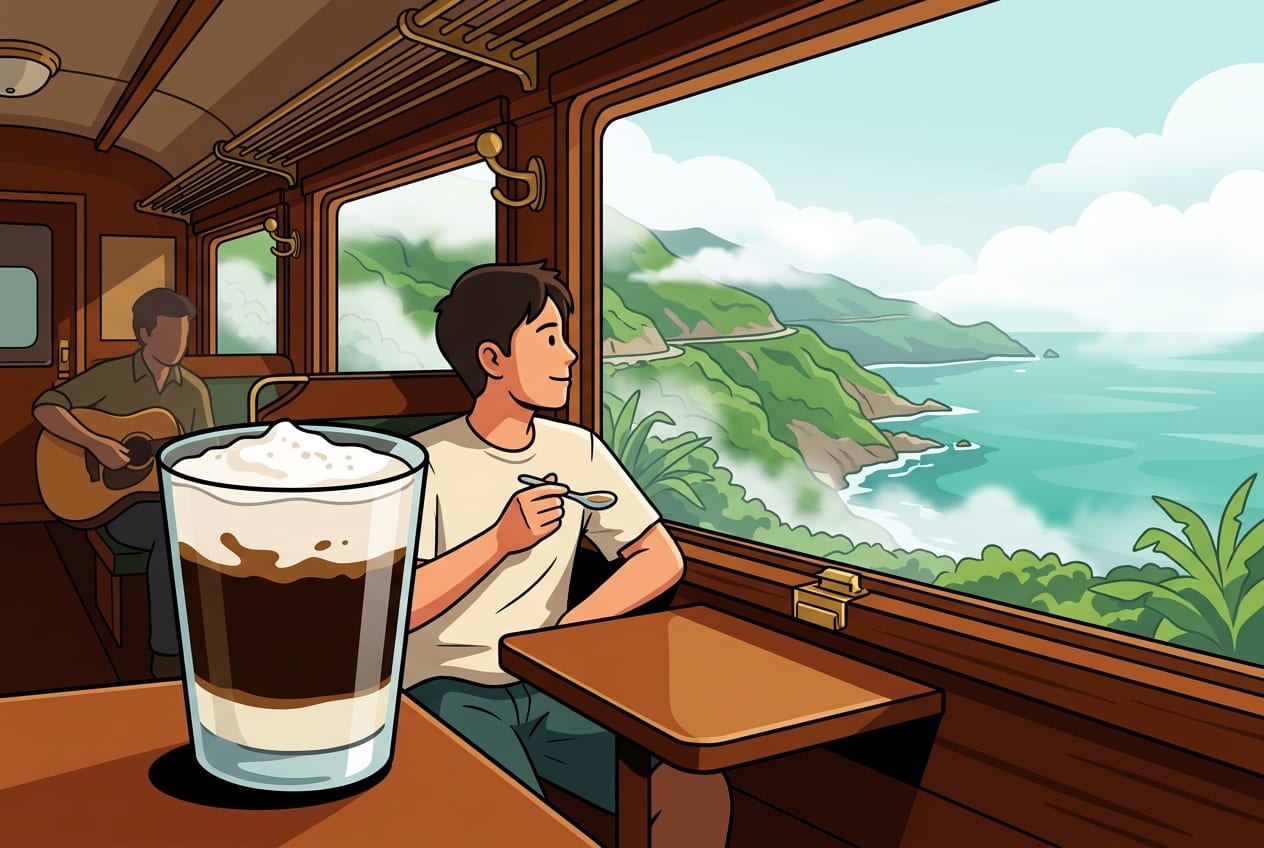
Imagine leaning back in a beautifully restored, mid-century railway carriage as a gentle mist brushes against the glass. On the wooden table before you, a traditional silver drip filter slowly releases dark, aromatic coffee over sweet condensed milk, while outside, the wild jungle of Central Vietnam plunges dramatically into the turquoise East Sea. This is not a dream from a bygone era; it is the daily reality aboard the "Connecting Central Heritage" train. Running the spectacular 82-kilometer coastal route between the imperial city of Hue and the coastal hub of Da Nang, this specialized rail journey has quickly captured the hearts of travelers seeking a deeper, slower connection to Vietnam's landscape and culture.
Why Locals Love the 'Connecting Central Heritage' Train
Locals cherish the 'Connecting Central Heritage' train because it embodies sống chậm—the art of living slowly. By transforming a standard commute into a nostalgic, beautifully restored journey, the train serves as a peaceful escape from the breakneck pace of modern Vietnamese cities, allowing passengers to reconnect with nature and history.
In a country where modern highways and high-speed tunnels are rapidly cutting travel times, the local embrace of this heritage train represents a beautiful cultural counter-movement. For Vietnamese youth and older generations alike, stepping onto this train is an exercise in nostalgia. The carriages have been meticulously restored to blend classic Indochine aesthetics—featuring warm mustard-yellow walls, deep teal accents, and retro-patterned floor tiles—with modern air-conditioned comfort.
Rather than rushing from point A to point B, passengers use this three-hour journey to practice mindfulness and romanticize their connection to Vietnam's geography. It has become a massive hit among local Gen Z and millennial travelers who dress in pastel modern Áo Dài or earthy linen outfits, capturing cinematic photos that celebrate their heritage. It is a space where time slows down, and the journey itself becomes the destination.
The Star of the Ride: Coffee in the Clouds
The highlight of this railway experience is the specialized cafe carriage, where passengers can sip authentic Hue salt coffee (cà phê muối) or creamy coconut coffee. This unique setting allows travelers to watch the misty peaks of the Hải Vân Pass drift by while enjoying a rich, slow-dripped brew.
You cannot talk about Vietnamese travel without diving deep into its legendary coffee culture. Aboard the Hue to Da Nang train, this culture is elevated to literal new heights. The dedicated cafe carriage is designed like a vintage tea house, complete with dark polished wood tables and brass fixtures. Here, the signature drink is Hue's famous cà phê muối (salt coffee).
If you have never tried it, the combination might sound unusual, but the culinary logic is brilliant. The salt cuts the natural bitterness of the dark-roasted Robusta beans, enhancing the sweetness of the condensed milk and creating a velvety, caramel-like flavor profile. Topped with a thick layer of snow-white salted cream foam, it is the perfect companion as the train climbs into the cool mountain air. Watching the silver phin filter drip rhythmically while the mountain mist envelops the carriage is a sensory experience that no high-speed highway can ever replicate.
The Majestic Route: Hải Vân Pass and Lăng Cô Bay
Winding through 82 kilometers of dramatic scenery, the train climbs the steep coastal cliffs of the Hải Vân Pass before making a scenic ten-minute stop at Lăng Cô Station. This brief pause allows passengers to step off the train and capture sweeping views of Lăng Cô Bay's turquoise waters.
The geography of the route is nothing short of dramatic. The train tracks hug the sheer cliffs of the Hải Vân Pass (literally translating to "Ocean Cloud Pass"), a natural boundary that historically divided ancient kingdoms and still acts as a weather barrier between the north and south. On one side of your carriage window, lush emerald-green jungle foliage literally brushes against the glass; on the other, the cliff drops away to reveal the vast, deep blue of the East Sea.
A major highlight of the journey is the brief, 10-minute stop at Lăng Cô Station. Lăng Cô Bay is globally recognized by the Worldbays Club as one of the most beautiful bays in the world. When the train halts, passengers are encouraged to step off onto the platform, breathe in the crisp, salty sea air, and look out over the sweeping crescent beach. Local vendors often gather near the platform, offering a quick chance to buy fresh coconut water or traditional steamed rice cakes to snack on for the remainder of the ride.
How to Book and Choose the Best Seats
To secure the most breathtaking ocean views, travelers should book a seat on the right side of the train when departing from Hue, or the left side when leaving Da Nang. Tickets must be reserved at least a week in advance via official digital platforms.
Planning this journey requires a bit of strategy. The train operates under the codes HD1/HD2 and HD3/HD4, and tickets are surprisingly affordable, ranging from 150,000 to 250,000 VND ($6 to $10 USD) per one-way ticket. Because of its massive popularity among local travelers, you should book your tickets at least a week in advance. The easiest way to secure your spot is through the official Vietnam Railways booking portal at dsvn.vn or via popular local e-wallets like MoMo.
For the absolute best photography and viewing conditions, seat selection is crucial. If you are traveling from Hue to Da Nang, book a seat on the right side of the train. If you are traveling from Da Nang to Hue, book on the left side. This ensures you are facing the ocean rather than the mountain wall. We highly recommend booking the morning departures (HD1 or HD3); the golden morning light piercing through the mountain mist creates a dreamy, ethereal glow, whereas afternoon runs are more prone to heavy, obscuring fog.
Onboard Atmosphere and Etiquette
The heritage train fosters a quiet, romantic atmosphere where passengers are encouraged to share window views and enjoy live musical performances. Proper etiquette means avoiding loud conversations and keeping photoshoots brief and respectful, ensuring everyone can peacefully absorb the misty mountain views and traditional chamber music.
While the train is incredibly photogenic, it is important to remember that this is a shared cultural space. The atmosphere on board is meant to be contemplative and peaceful. To preserve this vibe, subtle social rules apply. It is considered impolite to monopolize the window views or the cafe carriage for prolonged, elaborate photoshoots. Share the space, take your photos quickly, and let others enjoy the view.
Furthermore, the train occasionally hosts live acoustic guitar sets or traditional Ca Huế (Hue chamber music, a genre recognized as part of Vietnam's national cultural heritage) in the shared carriages. When the musicians play, or when the train plunges into the dark, echoing mountain tunnels, passengers naturally quiet down. Embracing this quiet, respectful posture is key to fitting in like a local and fully absorbing the poetic magic of the rails.
Do
- Book your tickets at least a week in advance on dsvn.vn to secure the ocean-facing side.
- Keep some small cash (VND) handy for buying quick snacks from local vendors at Lăng Cô Station.
- Respect the quiet, contemplative atmosphere during live music performances and tunnel crossings.
Don't
- Don't monopolize the cafe carriage or window seats for long, elaborate photoshoots.
- Don't choose afternoon departures if you want to avoid heavy fog blocking the coastal views.
How long does the Hue to Da Nang train take compared to going by car?
The heritage train takes approximately 3 hours to cover the 82-kilometer route. In contrast, a private car or taxi taking the modern highway tunnel takes about 1.5 hours. However, the highway tunnel bypasses all of the stunning coastal views and the Hải Vân Pass entirely, making the train the far superior choice for sightseeing.
Can I bring my large luggage on the heritage train?
Yes, you can bring large luggage on board. There are overhead racks and designated luggage areas at the end of each passenger carriage. Keep in mind, however, that the specialized cafe carriage has limited space, so it is best to leave your large bags at your designated seat and only bring your camera and wallet to the cafe area.
What happens during the 10-minute stop at Lăng Cô Station?
During the brief 10-minute stop, passengers are permitted to step off the train onto the platform to stretch their legs, breathe in the fresh sea breeze, and take photos of Lăng Cô Bay. It is a highly scenic spot, but keep a close eye on the train staff and listen for the whistle so you do not get left behind!
Hear these phrases
Each one is recorded in both the northern and southern accent.
Topics
Read more
Other posts from our Vietnamese learning blog.
By Xinchao team
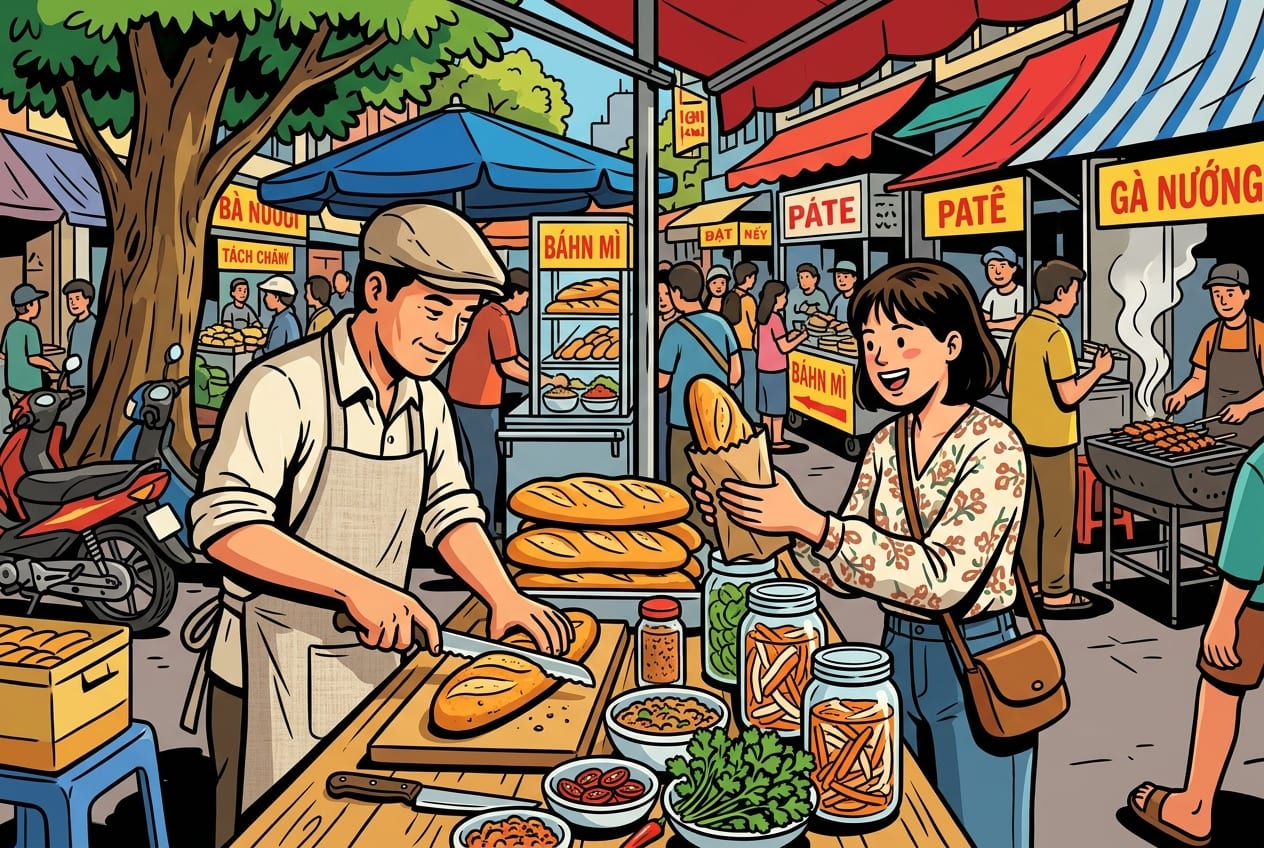
Crunch Time in District 1: Why the Saigon Banh Mi Festival is a Must-Visit?
Discover the sensory explosion of the Saigon Banh Mi Festival. From traditional pate to fusion fillings, learn the history and etiquette of Vietnam's iconic street food.
By Xinchao team
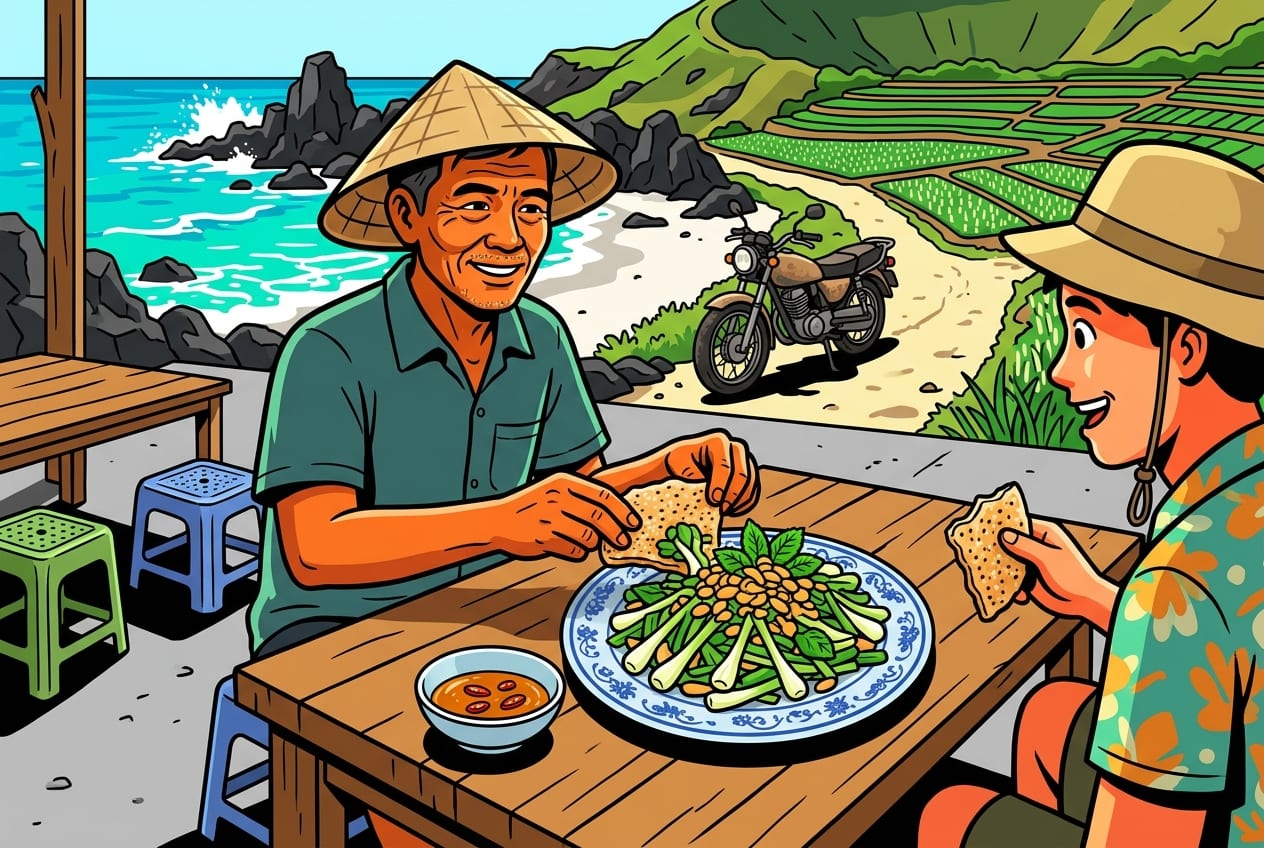
Why Vietnam’s Hottest Summer Island is Covered in Garlic: The Legend of Ly Son and Its Boldest Salad
Journey to Ly Son Island, Vietnam's volcanic 'Kingdom of Garlic', to discover why locals turn young male garlic stalks into a legendary, sweet summer salad.
By Xinchao team
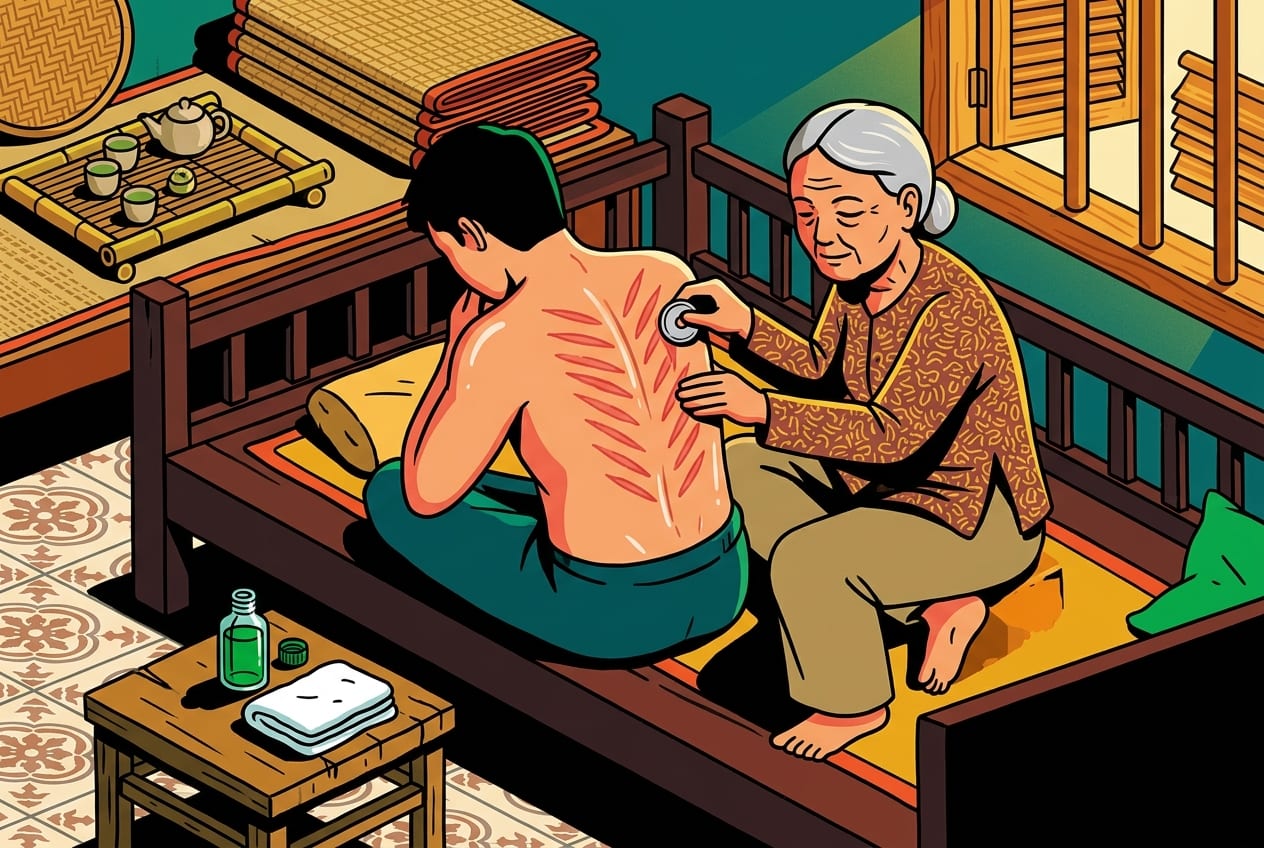
Why Does Everyone in Vietnam Have Red Stripes on Their Back? The Mystery of 'The Wind'
Ever seen red stripes on a Vietnamese person's back? It's not an injury—it's 'cạo gió'. Learn about the 'wind' and why this coin-rubbing ritual is the ultimate sign of family care.