Da Nang's Flavor Fiesta: Will Your Stomach Survive the 2026 Food Tour Festival?
Prepare your taste buds and your wits! Da Nang's 2026 Food Tour Festival is a whirlwind of flavors, and this guide is your secret weapon to conquer every delicious challenge like a local.
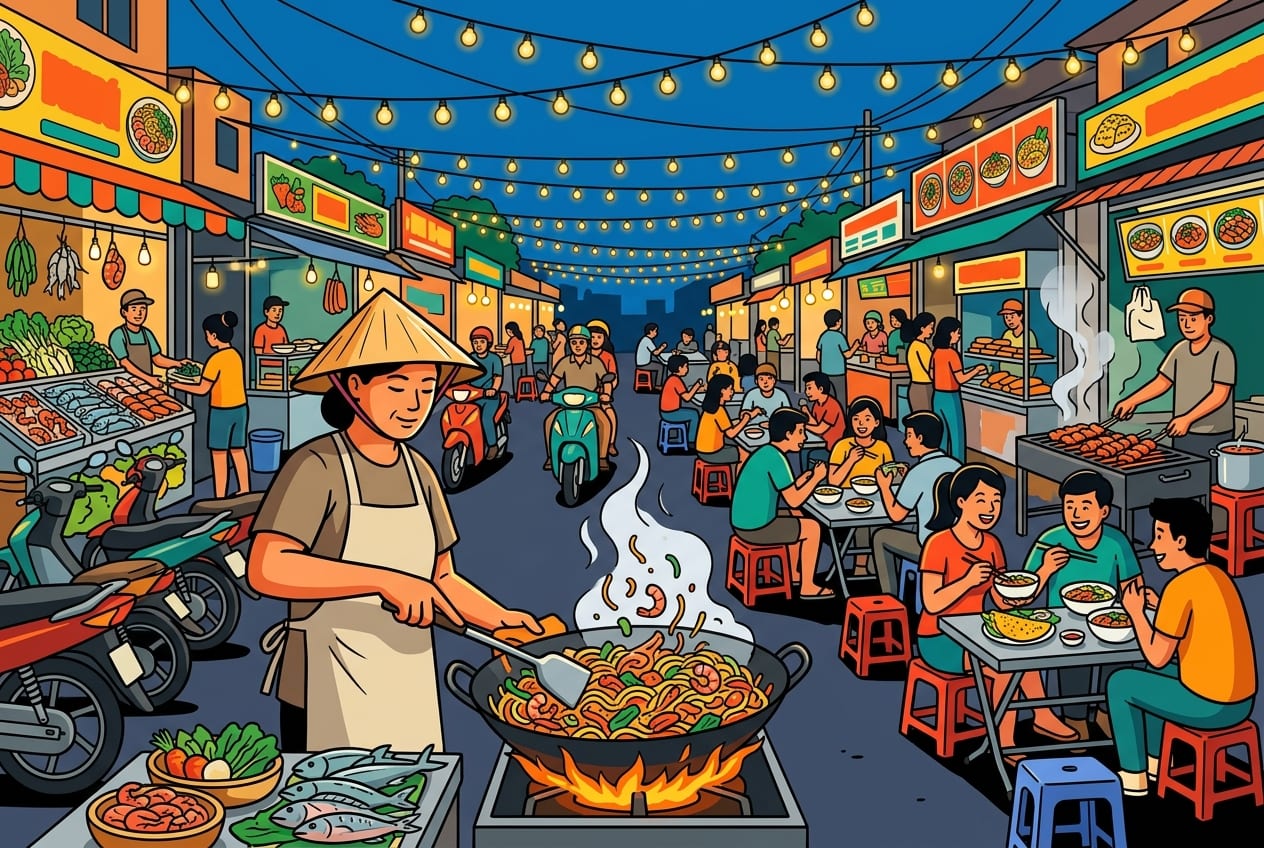
Picture this: the scent of grilling pork mingling with fragrant herbs, the sizzle of bánh xèo hitting a hot pan, and the lively chatter of thousands of happy eaters under a canopy of string lights. This isn't just a dream; it's the Da Nang Food Tour Festival, and in May 2026, the city is turning up the heat for an epic "Flavor Fiesta" you won't want to miss. But let’s be real, a feast this grand needs a game plan. You’re not just eating; you’re embarking on a culinary adventure that requires a little street smarts. That's where your friendly neighborhood Vietnamese Street Specialist comes in! We’re here to make sure your stomach (and your travel plans) survive and thrive amidst the delicious chaos.
From May 20-24, 2026, Da Nang will transform into a foodie paradise, inviting both locals and travelers to dive headfirst into Central Vietnamese specialties and beyond. This isn't just about tasting; it's about experiencing the heart and soul of Vietnam through its most beloved art form: food. So, grab your chopsticks, loosen your belt, and let's get ready to navigate the delicious labyrinth of Da Nang’s ultimate culinary celebration!
What's Cooking at Da Nang's Flavor Fiesta 2026?
The 2026 Da Nang Food Tour Festival is set to be a vibrant showcase of culinary and cultural delights, unfolding across key locations like Bien Dong Park and Tam Thanh beach square. Visitors can expect over 100 booths and 70 street food stalls, offering an extensive array of local specialties, fresh Central Vietnamese seafood, and even international dishes, ensuring a diverse and exciting gastronomic experience for all.
This festival is more than just a collection of food stalls; it's a sensory explosion designed to immerse you in the authentic spirit of Vietnamese street food culture. Imagine the "Flavours of Da Nang" street parade on May 20th, winding along Pham Van Dong beach, a vibrant procession bringing the street food atmosphere to life. And for those who enjoy a cold one with their hot eats, mark your calendars for the "Beer Fest Night" on May 23rd – because what pairs better with sizzling seafood than a frosty brew? (If you're into craft beers, check out our guide to Beyond Bia Hơi: Where the Hops Are Hopping and the Toasts Are Roaring in Vietnam!).
You’ll find a treasure trove of local favorites, many of which have garnered international recognition. Think steaming bowls of Mì Quảng, crispy Bánh Xèo, savory Bún Chả Cá, and fresh Bánh Tráng Cuốn Thịt Heo. These aren't just dishes; they're stories told through generations, each bite connecting you to the rich culinary heritage of Central Vietnam. And don't be surprised to find stalls from establishments that have even earned a nod from the MICHELIN Guide for their exceptional quality and value, proving that world-class flavors can be found right on the street.
The Da Nang Street Food Playbook: Eat Like a Local (and Survive!)
To truly enjoy Da Nang's food festival like a seasoned local, prioritize stalls bustling with patrons, as high turnover guarantees fresh ingredients and popular flavors. Always carry Vietnamese Dong in small denominations, as cash is king on the street. Maintain personal hygiene with hand sanitizer, and opt for hot, freshly cooked dishes and sealed bottled water to ensure a safe and delicious culinary adventure.
Navigating a Vietnamese food festival is an art form, a dance between delicious discovery and practical considerations. It’s not just about what you eat, but how you eat it. The key to a memorable (and healthy!) experience lies in understanding a few simple rules of the road. Let’s break it down.
Navigating the Bustle: Finding the Best Bites
When choosing a food stall, always look for the busiest ones packed with locals; this is a clear sign of freshness, quality, and authentic flavors. High customer turnover ensures ingredients are constantly replenished, reducing the risk of food sitting out too long. Prioritize dishes that are cooked fresh to order, especially those served hot from the wok or grill.
Why do locals flock to certain stalls? It's simple: high turnover means fresh ingredients. If a stall is constantly cooking, it means their produce, meat, and seafood are being replenished frequently, ensuring you get the freshest possible meal. This is your number one rule for food safety and deliciousness. Also, aim for dishes that are cooked right in front of you, served hot and steaming. This minimizes any potential issues compared to cold dishes that might have been sitting out for a while. The good news? Most Vietnamese street food is cooked fresh to order!
Don't be shy to join a table, even if it's already half-full. It’s a common practice, and a simple smile or nod is usually all the invitation you need. This is part of the communal eating experience that makes Vietnamese food so special. And speaking of special, Da Nang is renowned for its specific dishes. You absolutely must try a bowl of Mì Quảng. It's a noodle dish that defies easy description – a little broth, wide turmeric-yellow noodles, and a mix of pork, shrimp, and sometimes fish, all topped with peanuts and a crispy rice cracker. It’s a flavor bomb unique to this region, and a must-try at the festival. For more insights on regional specialties, a general overview of Vietnamese cuisine can be found on reputable sources like Britannica.
Money Matters: Cash is King (and Queen!)
When enjoying street food in Da Nang, always carry plenty of Vietnamese Dong (VND) in smaller denominations, as most vendors operate on a cash-only basis. While larger establishments might accept cards, street stalls and market vendors almost exclusively prefer cash, making it essential for smooth and quick transactions at the festival.
Forget your credit cards or digital wallets for most street food encounters. While Da Nang is modernizing, the heart of its street food scene still beats with cash. Vendors deal with high volumes and prefer quick, tangible transactions. Make sure you have plenty of Vietnamese Dong (VND) in small bills (like 10,000 VND, 20,000 VND, 50,000 VND notes). This not only makes payment easier but also avoids awkward situations where a vendor might not have change for a large denomination. A typical street food dish costs anywhere from 25,000 to 75,000 VND (roughly $1-3 USD), making it incredibly affordable to feast!
Staying Hydrated and Healthy: Sip Smartly
To stay healthy amidst the festival's excitement, always choose bottled water with an unbroken seal or opt for freshly boiled green tea, known as 'trà.' Additionally, carrying hand sanitizer or wet wipes is crucial for maintaining personal hygiene, especially after handling cash and before eating, to prevent illness.
Da Nang in May is hot and humid, so staying hydrated is crucial. Stick to bottled water with an unbroken seal to ensure it's safe. Another excellent and traditional option is green tea, or trà (pronounced 'trah'), which is typically boiled and served either hot or iced, making it a safe and refreshing choice. Many street stalls will offer it. For general travel health advice, resources like the CDC offer valuable information on food and water safety abroad.
Do
- Carry small denominations of VND for street food vendors.
- Use hand sanitizer before and after eating, especially after handling money.
- Choose bottled water with an unbroken seal or boiled tea (trà).
- Look for busy stalls with high turnover for the freshest food.
- Smile and nod when joining a communal table.
Don't
- Don't rely on credit cards for street food purchases.
- Avoid cold dishes that may have been sitting out for extended periods.
- Don't be afraid to customize your meal with available condiments.
- Don't forget to dress lightly for the hot and humid weather.
Beyond the Plate: Understanding Vietnamese Food Culture
Vietnamese food culture is deeply communal and emphasizes a delicate balance of five fundamental taste elements: sweet, sour, salty, bitter, and umami. Eating is a social ritual, often shared at small tables, where simple gestures like wiping chopsticks or joining others are common, reflecting a relaxed and inclusive approach to dining that values fresh ingredients and heritage.
In Vietnam, food is more than just sustenance; it’s a language, a history, and a communal hug. Street food, especially, is a vibrant expression of national identity and social interaction. When you’re at the festival, you’re not just eating a dish; you’re participating in a centuries-old tradition. For locals, these festivals and daily street food experiences are about connecting with heritage, family, and friends. It's why you'll see families sharing multiple dishes, everyone dipping into a shared sauce, and conversations flowing as freely as the tea.
The Five Tastes: A Symphony on Your Tongue
Vietnamese cuisine masterfully balances five fundamental taste elements: sweet, sour, salty, bitter, and umami, reflecting the country's philosophy of harmony. This balance is achieved through fresh ingredients and a variety of condiments, allowing diners to customize their dishes and create a personalized, dynamic flavor profile with every bite.
One of the cornerstones of Vietnamese cooking is the balance of five fundamental tastes: sweet (from sugar, fruit), sour (lime, tamarind, vinegar), salty (fish sauce, salt), bitter (some herbs, bitter melon), and umami (fish sauce, mushrooms, meat). Each dish aims for a harmonious blend, but you, the diner, are the final conductor of this symphony! You’ll find an array of condiments on every table – fish sauce (nước mắm), chili, lime, fresh herbs – allowing you to customize your meal to your exact preference. Don't be shy; this is encouraged!
Communal Tables and Shared Smiles
Joining a table with other diners at a street food stall is a common and accepted practice in Vietnam, reflecting the communal nature of dining. A simple smile or nod is often sufficient for interaction, and it's perfectly normal to wipe your chopsticks or spoon before eating, demonstrating a relaxed approach to shared dining etiquette.
Don't be surprised if you're directed to a small plastic stool at a table already occupied by other diners. This is perfectly normal! Embrace it as part of the experience. A simple smile is usually all the interaction needed. Similarly, you might see locals wiping their chopsticks or spoons with a napkin before eating; this is a common practice for personal hygiene and not a judgment on the vendor. Just remember, these are subtle social rules generally very forgiving for newcomers. And, often at small stalls, you'll "eat first, pay later" – they'll tally your order once you're done. For a deeper dive into how food dictates daily life, check out our post on Rice or Noodles: Why Does Vietnam Make You Choose Every Single Day?.
Dress for Success: Conquering Da Nang's May Weather
May in Da Nang is typically hot and humid, with temperatures ranging from 26°C to 32°C (79°F to 90°F), clear skies, and occasional rainfall. To stay comfortable while exploring the festival, travelers should wear light, breathable clothing, and bring essentials like a wide-brimmed hat, sunglasses, and high-SPF sunscreen for protection.
May in Da Nang means one thing: heat and humidity! Temperatures usually hover between 26°C and 32°C (79°F to 90°F), with clear blue skies but also the possibility of a sudden, refreshing tropical shower. To make your festival experience enjoyable, pack light, breathable clothing – think cotton or linen. A wide-brimmed hat, sunglasses, and plenty of high-SPF sunscreen are your best friends. You’ll be doing a lot of walking, standing, and sweating, so comfortable footwear is also a must. Hydration and sun protection are key to enjoying the fiesta without feeling fried!
Don't Just Eat, Explore! Da Nang Food Tours 2026
Beyond the festival grounds, Da Nang Food Tours 2026 will offer guided culinary experiences across the city and neighboring areas like Hoi An. These tours provide an excellent opportunity to delve deeper into local cuisine, discover hidden gems, and learn about the region's food traditions from expert guides, enriching your gastronomic journey.
While the festival itself is a massive buffet, if you want to delve even deeper into Da Nang’s culinary secrets, consider joining one of the Da Nang Food Tours 2026. These guided experiences will take you beyond the main festival grounds, exploring local markets, hidden eateries, and even venturing into nearby Hoi An for a taste of its unique flavors. A local guide can offer insights into the ingredients, cooking methods, and cultural significance of each dish, transforming your meal into a profound cultural lesson. It’s a fantastic way to ensure you don’t miss any of the region’s best-kept culinary secrets!
So, there you have it: your ultimate survival guide to conquering Da Nang’s Flavor Fiesta 2026. Armed with these tips, you’re not just a tourist; you’re an informed explorer, ready to savor every bite, embrace every interaction, and immerse yourself fully in the vibrant, delicious heart of Central Vietnam. Get ready for an unforgettable culinary journey – your stomach will thank you!
What kind of food can I expect at the Da Nang Food Tour Festival 2026?
The festival will feature a wide array of dishes, focusing heavily on Central Vietnamese specialties like Mì Quảng, Bánh Xèo, Bún Chả Cá, and Bánh Tráng Cuốn Thịt Heo. You'll also find fresh local seafood and some international options, with over 100 booths and 70 street food stalls showcasing diverse flavors. Many stalls will offer dishes recognized for their quality, even by guides like MICHELIN.
How should I pay for food at the festival?
Cash is king at the Da Nang Food Tour Festival! Most street food vendors and stalls will only accept Vietnamese Dong (VND). It's highly recommended to carry smaller denominations (like 10,000, 20,000, 50,000 VND notes) to make transactions smoother and avoid issues with vendors not having change for larger bills. Street food is very affordable, typically ranging from 25,000 to 75,000 VND per dish.
What are the best ways to ensure food safety and hygiene at a street food festival?
To ensure a safe and enjoyable experience, always prioritize stalls that are busy with locals, as high turnover means fresh ingredients. Opt for hot, freshly cooked dishes over cold ones. Carry hand sanitizer or wet wipes for personal hygiene, especially before eating and after handling money. For drinks, stick to bottled water with an unbroken seal, or traditional Vietnamese green tea (trà) which is typically boiled and safe to drink.
Hear these phrases
Each one is recorded in both the northern and southern accent.
Topics
Read more
Other posts from our Vietnamese learning blog.
By Xinchao team
Hue Festival 2026: Time-Traveling to Vietnam's Imperial Heart!
Experience the magic of the 2026 Hue Festival, a year-long celebration of Vietnam's imperial past. From royal court music to dazzling river parades, get ready for an unforgettable cultural immersion in Hue.
By Xinchao team
The Yellow Tent on the Street: A Respectful Guide to Attending a Vietnamese Funeral
An essential guide to navigating a Vietnamese funeral (đám tang) with respect, covering dress codes, condolence envelopes, and key cultural taboos.
By Xinchao team
Why Vietnam's 'Heritage Hubs' Are the Hottest New Spots for Culture, Coffee, and Community (And Where to Find Them!)
Vietnam's heritage hubs are buzzing – from ancient towns to repurposed colonial cafes. Discover why these spots are a must-visit for culture, community, and the best slow-drip coffee experiences.