Why Vietnam's 'Heritage Hubs' Are the Hottest New Spots for Culture, Coffee, and Community (And Where to Find Them!)
Forget dusty museums! Vietnam's 'heritage hubs' are vibrant, living spaces where ancient traditions meet modern life, offering travelers a deep dive into the country's soul, one slow-drip coffee at a time.
Beyond the Postcard: What Are Vietnam's Heritage Hubs?
Imagine stepping into a place where history isn't just displayed behind velvet ropes, but is alive, breathing, and bustling around you. That's the magic of Vietnam's emerging 'heritage hubs.' These aren't just old buildings; they're dynamic spaces where generations connect, traditions thrive, and the aroma of robusta coffee fills the air. For locals, these areas are the heart of their identity, a link to their ancestors, and a place where community truly blossoms. For you, the traveler, they offer an authentic, immersive experience far richer than any curated tour.
Vietnam's deep commitment to preserving and celebrating its past hasn't gone unnoticed, earning it the prestigious title of "World's Leading Heritage Destination" multiple times, including for 2025. This recognition isn't for static preservation, but for the way heritage is integrated into daily life. It's about how ancient streets hum with modern motorbikes, how traditional crafts find new life in contemporary art, and how age-old rituals like shared coffee continue to bind people together. These hubs are a testament to Vietnam's resilience and its ability to blend the old with the new in a truly captivating way.
Hoi An Ancient Town: A Lantern-Lit Dream
Hoi An Ancient Town, a UNESCO World Heritage site in central Vietnam, is perhaps the most famous example of a heritage hub. Its beautifully preserved streets, ancient merchant houses, and the iconic Japanese Covered Bridge transport visitors back in time. The town’s unique blend of Vietnamese, Chinese, Japanese, and European influences is palpable in its architecture and vibrant culture, offering a truly immersive historical experience. Many of the buildings date back to the 17th and 18th centuries, reflecting Hoi An's past as a bustling trading port. Learn more about Hoi An's delicious heritage street food here!
Wandering through Hoi An is like stepping into a living painting. The warm yellow walls, adorned with vibrant silk lanterns, create an atmosphere of timeless charm. You'll see locals going about their day, artisans crafting bespoke clothing, and the gentle rhythm of life unfolding. This isn't a museum town; it's a community that actively lives within its heritage. The absence of motorbikes in many areas makes it ideal for leisurely strolls or bicycle rides, allowing you to truly soak in the ambiance without the usual urban rush. The sounds of traditional music, the scent of incense, and the sight of the Thu Bon River flowing past contribute to its unique sensory appeal.
Experiences That Connect You to the Past
In Hoi An, you don't just observe history; you participate in it. One of the most beloved activities is crafting your own traditional lantern. These workshops allow you to learn about the significance of lanterns in Vietnamese culture, from warding off evil spirits to symbolizing prosperity, and take home a beautiful, handmade souvenir. Another must-do is touring historic merchant homes, such as the Tan Ky Ancient House, which has been remarkably preserved for over 200 years and is still inhabited by the family's seventh generation. These homes offer a glimpse into the opulent lives of traders and the intricate architecture of the era. Entry to a cluster of 5 attractions typically costs around 120,000 VND (about $5 USD), with guided tours available for a more in-depth cultural journey. For official information on Hoi An's UNESCO status, visit the UNESCO World Heritage Centre website.
Hanoi's Old Quarter: The Soul of a Thousand Years
Up north, Hanoi's Old Quarter pulsates with a different kind of heritage energy. This labyrinthine district, with its narrow streets named after the goods once sold there (e.g., Silk Street, Silver Street), embodies a thousand years of history. While it's far more bustling than Hoi An, Hanoi's efforts in conservation are expanding, with initiatives to restore ancient houses and create more pedestrian-friendly zones around the serene Hoan Kiem Lake. It’s a place where history and daily life are inextricably intertwined, offering a raw, authentic glimpse into Hanoi’s enduring spirit. The Old Quarter is a prime example of how a city can modernize while fiercely protecting its cultural roots.
Here, every street corner tells a story. You'll find ancient temples tucked between modern storefronts, street vendors hawking traditional snacks next to trendy cafes, and the constant symphony of motorbikes, laughter, and commerce. The Old Quarter is a masterclass in organized chaos, where the past and present coexist in a vibrant, sometimes overwhelming, but always fascinating dance. It's a place where you can witness the traditional áo dài being sewn by hand, smell the fragrant spices of a pho stall, and feel the pulse of a city that has seen centuries of change yet retains its unique character. The ongoing conservation efforts are not just about preserving bricks and mortar, but about safeguarding the unique cultural practices and community life that thrive within these ancient walls.
Ho Chi Minh City: Heritage Cafes & Hidden Gems
Ho Chi Minh City, often seen as Vietnam's modern economic engine, also has a thriving heritage scene, particularly evident in its 'heritage cafes.' These are not just coffee shops; they are cultural experiences housed within repurposed colonial buildings and old apartment complexes. They offer a unique blend of history, architecture, and contemporary Vietnamese design, transforming old spaces into vibrant social hubs. It's a testament to the city's innovative spirit, finding new life for historical structures that might otherwise be forgotten or demolished. These cafes often retain original architectural features, blending them with modern aesthetics to create truly atmospheric spaces.
The most famous example is the 'Cafe Apartments' at 42 Nguyen Hue Street. What was once a 1960s residential block has been transformed, floor by floor, into a bustling vertical village of independent cafes, boutiques, and co-working spaces. Each cafe offers its own unique vibe, from cozy nooks filled with vintage furniture to minimalist spaces with stunning city views. Other popular spots like Mockingbird Cafe, La Fenetre Soleil, and Little Hanoi Egg Coffee are often found tucked away in similar old Saigon-era buildings, requiring a keen eye and a willingness to explore. These places are more than just a quick caffeine fix; they are destinations in themselves, inviting you to linger and soak in the atmosphere. You can find more details about the robust coffee market in Vietnam from sources like the International Coffee Organization.
The Ritual of Vietnamese Coffee: More Than Just a Drink
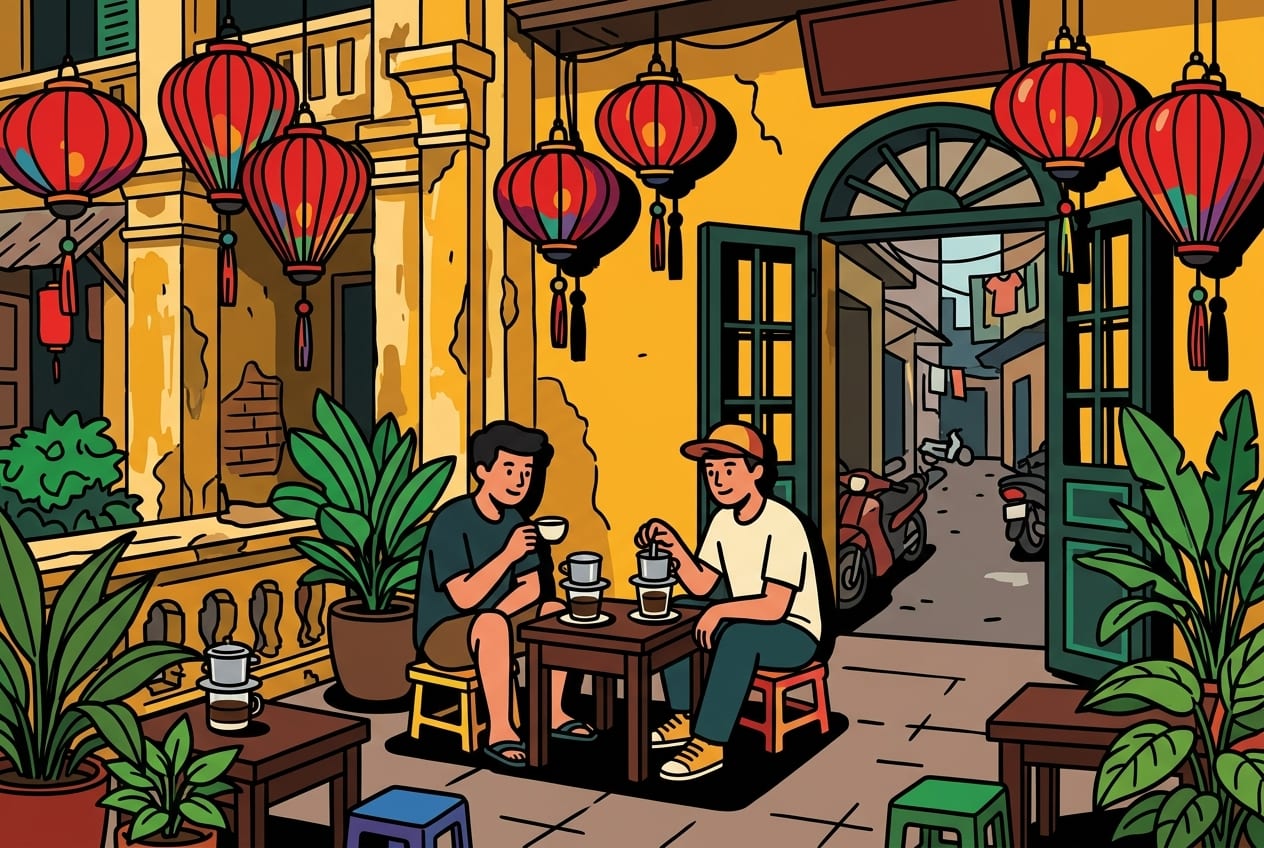
Central to the heritage hub experience across Vietnam is coffee. But here, coffee drinking is rarely a hurried affair. It's a cherished social ritual, a pause in the day, emphasizing slow consumption, leisure, and deep communal connection. Cafes serve as vital gathering spots where friends, family, and colleagues connect, discuss, and unwind. This reflects Confucian principles of harmony and community, where shared time and conversation are highly valued. Rushing your coffee, or treating it like a grab-and-go item, misses the entire point of this profound cultural practice. The experience is about the journey, not just the destination (or the caffeine hit).
The iconic phin filter, a small metal drip device placed directly over your cup, is central to this unhurried experience. As the hot water slowly filters through the ground coffee, drop by precious drop, it encourages a contemplative pace. You watch, you wait, you chat, and then you savor. This isn't just about brewing; it's about slowing down and being present. Whether it's the strong, dark cà phê đen đá (iced black coffee) or the rich, sweet cà phê sữa đá (iced milk coffee), the phin ensures that every sip is earned and appreciated. It's an invitation to relax and embrace the Vietnamese way of life.
Do
- Embrace the slow pace of coffee drinking; linger and enjoy the atmosphere.
- Engage with locals, even if just with a smile or simple greeting.
- Respect the preserved heritage and the artisans who maintain traditional crafts.
- Try local specialties beyond coffee, like traditional snacks or street food.
- Carry some cash for smaller vendors and cafes, though cards are becoming more common in modern establishments.
Don't
- Don't rush your coffee or treat it like a 'to-go' item; it's a social ritual.
- Avoid pointing directly at people, use an open hand or a gentle gesture instead.
- Don't be overly loud or disruptive in quiet heritage spaces.
- Avoid littering; help keep these beautiful areas clean.
Finding Your Own Heritage Hub Experience
Ready to dive in? Finding these heritage hubs is part of the adventure. In Hoi An and Hanoi, simply wandering through their respective Old Quarters will lead you to countless discoveries. Let your curiosity be your guide, allowing yourself to get lost in the winding alleys and stumble upon hidden gems. In Ho Chi Minh City, online recommendations for 'heritage cafes' or 'cafe apartments' can point you in the right direction, but don't be afraid to explore old buildings and look for subtle signs of life on upper floors – sometimes the best spots are the ones you have to seek out. Many of these cafes are nestled in unassuming buildings, adding to their charm and sense of discovery. For general travel advice and further information on cultural etiquette, consult reliable sources like the Vietnam National Administration of Tourism.
Practical Tips for an Authentic Visit
To truly experience the local vibe, aim to visit these spots in the mornings when the day is just beginning, or in the late afternoons when people gather after work. Many establishments stay open late into the evening, offering a different, often more intimate, atmosphere. Transportation within these heritage areas is often best by walking or cycling, especially in the pedestrian-friendly zones of Hoi An and around Hoan Kiem Lake in Hanoi. Taxis and ride-hailing services are readily available for getting to and from these areas. While English is understood in many tourist-centric spots, learning a few basic Vietnamese phrases or simply pointing to menu items will always be appreciated and can enhance your interactions with locals.
Engage in the local activities! Participate in a lantern-making workshop in Hoi An, explore the craft streets of Hanoi, or simply spend an hour savoring a traditional Vietnamese coffee while observing daily life from a hidden balcony cafe in Ho Chi Minh City. These experiences are not just about sightseeing; they're about connecting with the culture and the community. Remember, cash is still widely used, particularly at smaller vendors, but card payments are becoming more common in modern cafes and shops. Be prepared for both. The best way to enjoy these hubs is to simply be present and open to the unexpected.
Why is coffee drinking such a slow process in Vietnam's heritage cafes?
Vietnamese coffee culture emphasizes community and leisure, not speed. The traditional phin filter brews coffee slowly, encouraging patrons to relax, converse, and savor the moment. It's a social ritual reflecting Confucian values of harmony and shared time, making it a contemplative experience rather than a quick caffeine fix. This unhurried approach allows for deeper connections and appreciation of the atmosphere.
Do I need to pay an entry fee to explore all heritage areas like Hoi An or Hanoi's Old Quarter?
While wandering the general streets of Hoi An Ancient Town and Hanoi's Old Quarter is free, some specific attractions within Hoi An (like certain ancient houses, museums, or the Japanese Covered Bridge) require a ticket. A common 5-attraction ticket in Hoi An costs around 120,000 VND (approx. $5 USD). In Hanoi, major monuments or temples might have small entrance fees, but the Old Quarter itself is open for exploration.
What kind of visual details can I expect to see in Vietnam's heritage hubs?
Visually, expect a feast for the senses! You'll see warm, aged yellows of ancient houses, particularly in Hoi An, complemented by the mossy greens and muted tones of weathered colonial architecture. Rich browns from dark wood furniture, intricate carvings, and the coffee itself create a cozy ambiance. Vibrant splashes of red come from silk lanterns, traditional clothing, and decorative elements. Look for small metal phin coffee filters, low plastic stools for street-side coffee, intricately woven bamboo and silk lanterns, traditional ceramics, and vintage wooden furniture. The environment features narrow, bustling alleyways opening into quiet courtyards, tree-lined streets, and colonial facades with peeling paint.
Hear these phrases
Each one is recorded in both the northern and southern accent.
Topics
Read more
Other posts from our Vietnamese learning blog.
By Xinchao team
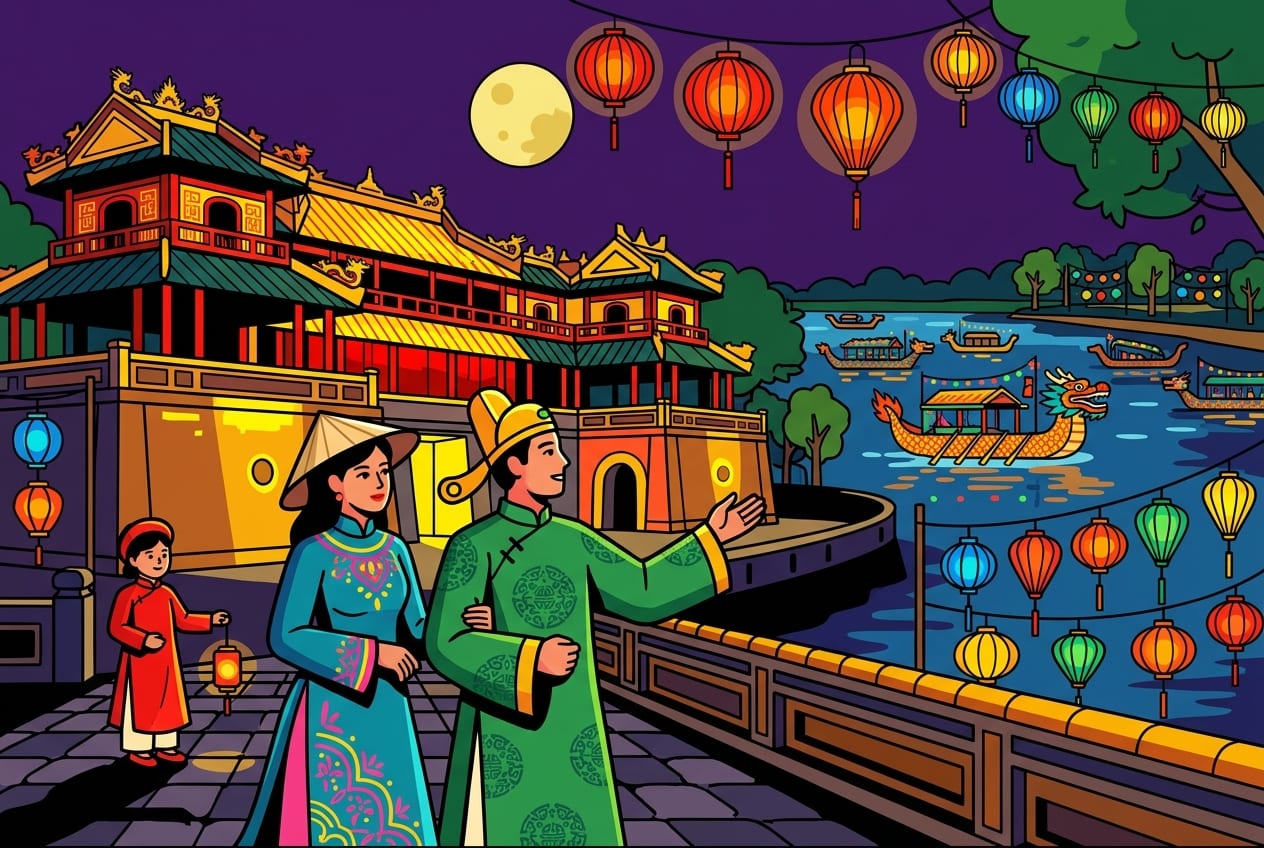
Hue Festival 2026: Time-Traveling to Vietnam's Imperial Heart!
Experience the magic of the 2026 Hue Festival, a year-long celebration of Vietnam's imperial past. From royal court music to dazzling river parades, get ready for an unforgettable cultural immersion in Hue.
By Xinchao team
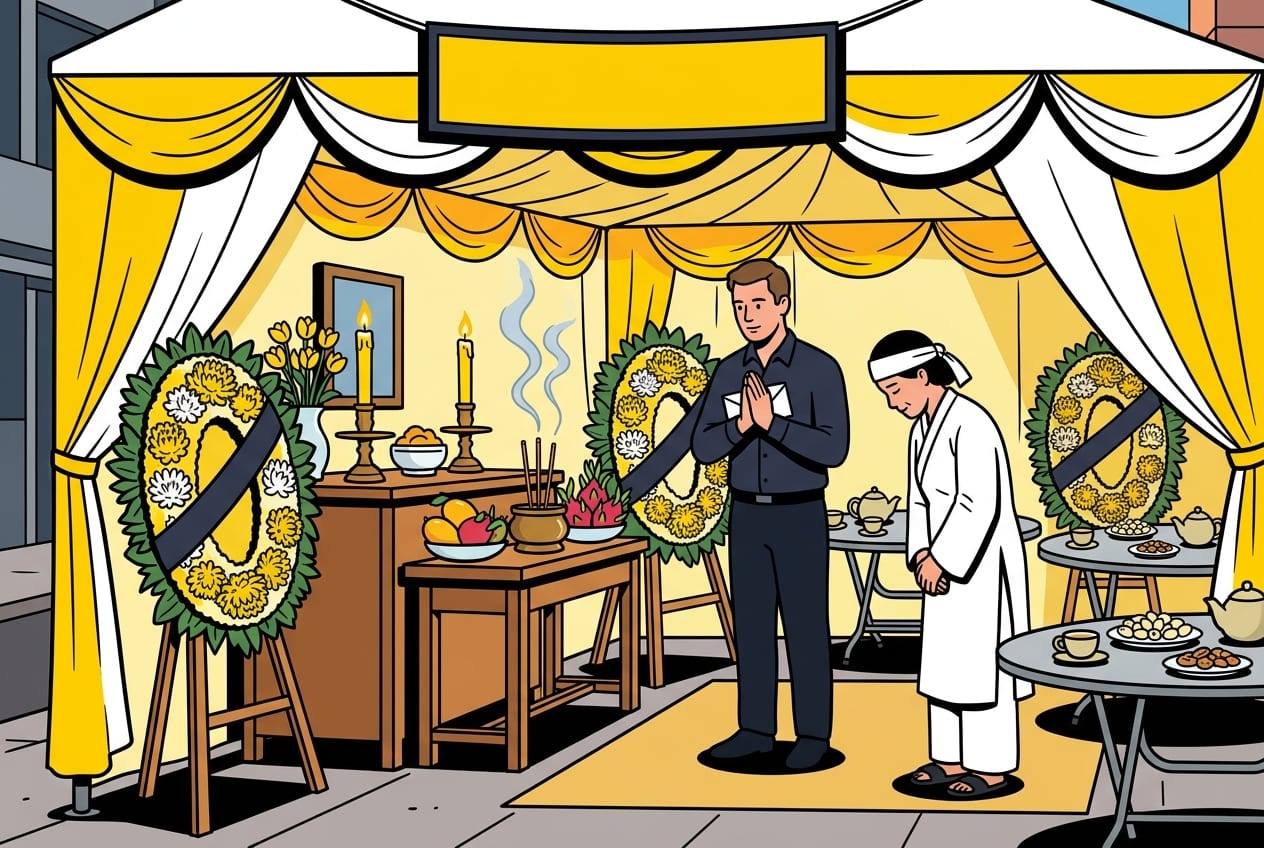
The Yellow Tent on the Street: A Respectful Guide to Attending a Vietnamese Funeral
An essential guide to navigating a Vietnamese funeral (đám tang) with respect, covering dress codes, condolence envelopes, and key cultural taboos.
By Xinchao team
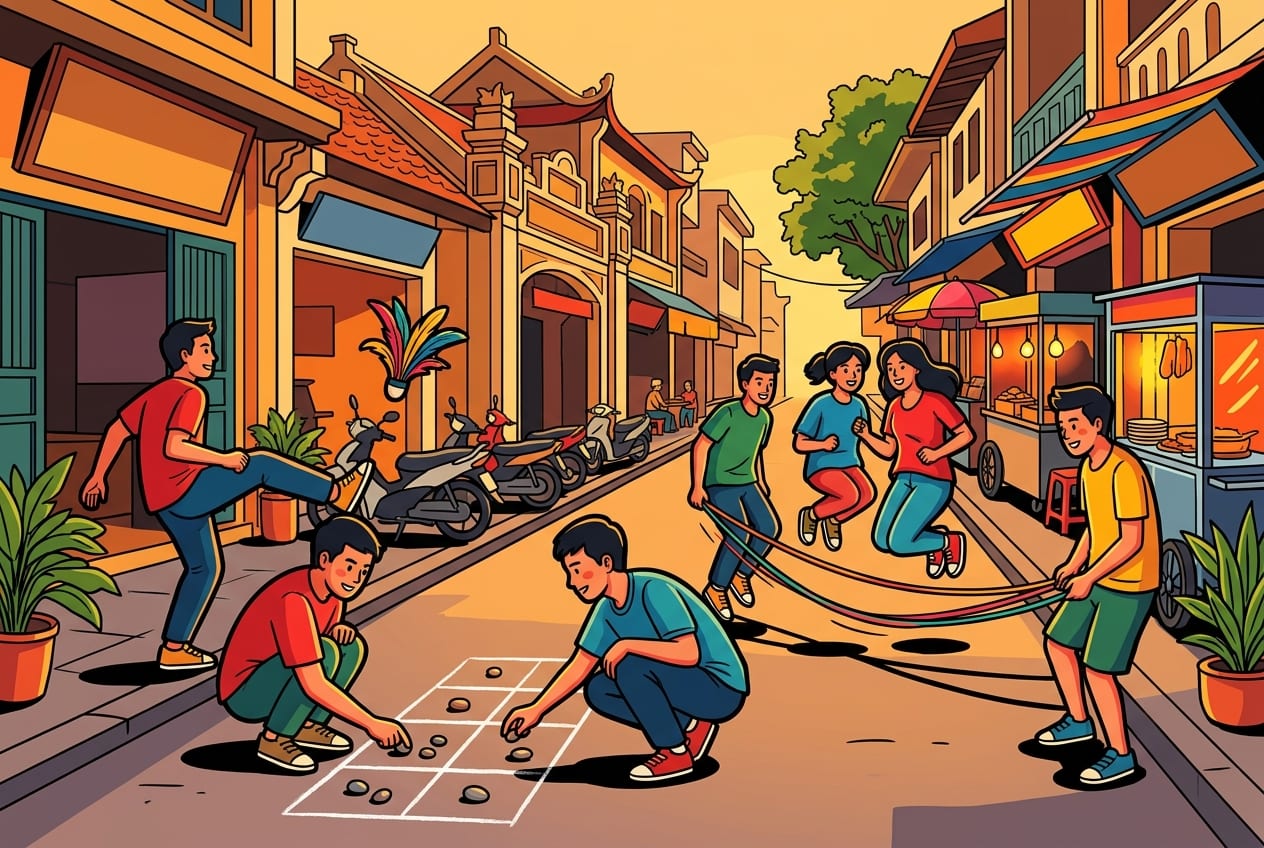
Ditch the TikTok! Why Vietnam's Youth are Rediscovering Ancient Street Games (and You Can Play Too!)
From Hanoi's Hoan Kiem Lake to quiet city alleys, Vietnamese youth are reviving ancient street games. Learn how to join in, connect with locals, and experience a vibrant part of Vietnam's cultural heritage firsthand.