Why Is Everyone Picking Coffee Cherries in Vietnam? (It's More Than Just a Photo Op!)
Dive into Vietnam's Central Highlands to become a coffee farmer for a day! Learn to pick ripe cherries, process beans, and connect with local culture. Discover why this immersive experience is a must-do.
Why Is Everyone Picking Coffee Cherries in Vietnam? (It's More Than Just a Photo Op!)
Vietnam's Central Highlands are calling, and it's not just for another cup of cà phê sữa đá. Travelers are flocking to this lush, green heartland not just to sip coffee, but to get their hands dirty, literally. Imagine stepping into a vibrant coffee plantation, surrounded by the scent of rich earth and ripe cherries, and joining local farmers in the age-old tradition of harvesting. This isn't just a trend; it's a deep dive into the soul of Vietnamese coffee, offering an experience that brews far beyond your morning mug.
The Heartbeat of Vietnam's Coffee: Central Highlands Revealed
The Central Highlands region, with its fertile volcanic soil and rolling hills, is the undisputed epicenter of Vietnam's coffee industry. Provinces like Dak Lak (home to Buon Ma Thuot), Lam Dong (where Da Lat charms visitors), Gia Lai, and Kon Tum are not just names on a map; they are the source of the robust flavors that define Vietnamese coffee. This region's unique climate and geology create the perfect conditions for growing some of the world's best beans, especially the famed Robusta.
While Arabica is grown here too, Vietnam is globally renowned for its strong, bold Robusta beans, which thrive in this climate. Brands like Trung Nguyen Legend and Cafely, which you'll see everywhere, proudly source their beans from these very hills. For generations, coffee farming here has been more than just a job; it's a way of life, passed down through families, deeply intertwined with the land and the distinct cultures of the ethnic minority groups who call this region home.
From Lush Green to Deep Red: Your Farming Day Begins
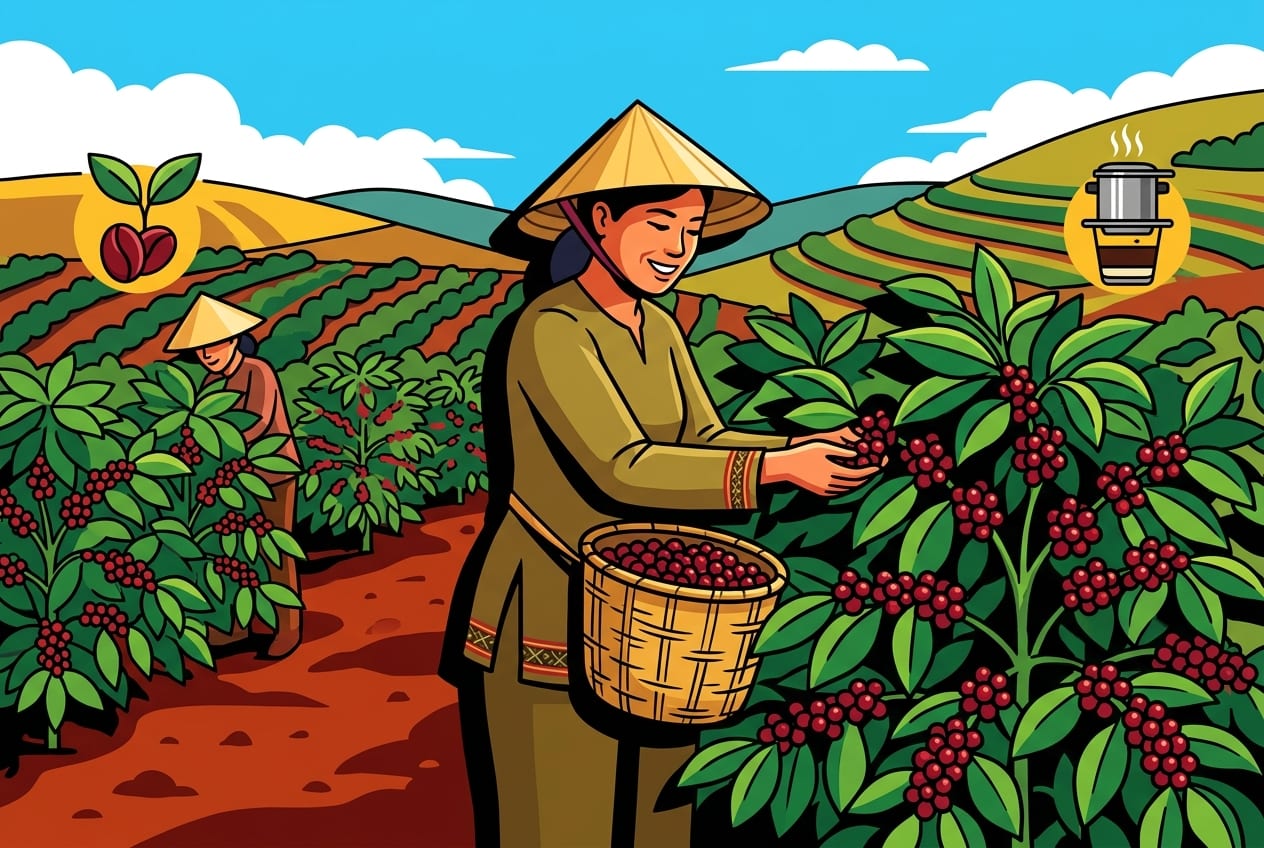
Imagine waking up to the mist clinging to the hills, then stepping onto a coffee farm where the air is fresh and alive. The dominant colors are a feast for the eyes: the vibrant, almost electric green of the coffee bushes, dotted with clusters of deep red, ripe coffee cherries. This isn't a museum; it's a living, breathing farm, and your hands-on journey starts right here, amidst the rustling leaves and the earthy scent of the rich, reddish-brown volcanic soil.
Your first task as a 'coffee farmer for a day' is often the most iconic: harvesting. You'll join local farmers, often wearing their practical long-sleeved shirts, trousers, and the iconic nón lá (conical hat) for sun protection, as they carefully pick only the ripest, reddest cherries. This selective picking is crucial for quality, ensuring only the best beans make it to your cup. Feeling the plump cherries in your hand, hearing them drop into a woven basket – it’s a simple act, but it connects you directly to the source of your morning brew in a way no cafe ever could.
Beyond the Harvest: The Journey from Cherry to Bean
Once your basket is full, the journey of the coffee cherry is far from over. Many tours, especially in Buon Ma Thuot and Da Lat, invite you to witness and even participate in the fascinating processing stages. You'll see cherries spread on large tarps under the sun, drying slowly, a vibrant sea of red turning darker as moisture evaporates. Some farms will show you the washing process, where cherries are cleaned, and then hulling, where the outer layers are removed to reveal the green coffee bean inside. Each step is labor-intensive, a testament to the dedication required before a single bean is ready for roasting.
Then comes the magic: roasting. In workshops, you might get to roast your own beans, watching them transform from pale green to aromatic brown, listening to their crackle and pop, and smelling the incredible fragrance that fills the air. This is often followed by a 'cupping' session, where you learn to taste and identify the distinct flavors and aromas of freshly processed coffee – notes of chocolate, nuts, or even fruit, depending on the bean and roast. It's an education for your palate, guided by experts who live and breathe coffee.
Finally, you'll learn the art of traditional Vietnamese brewing using a phin filter. This slow, drip method isn't just about making coffee; it's a ritual, a moment of patience and anticipation. Watching the dark, concentrated drops slowly fall into your cup, perhaps over a dollop of sweet condensed milk, is an experience in itself. The resulting coffee is incredibly strong and flavorful, a direct result of the journey you've just witnessed and participated in.
More Than Just Beans: Connecting with Local Culture
This immersive experience offers a rare chance to connect with the heart of Vietnamese culture, particularly with the ethnic minority groups like the K'Ho, Ê Đê, and Ba Na tribes. These communities have cultivated coffee for decades, passing down distinct practices and a deep respect for the land. Engaging with them provides a unique perspective on their resilience, their dedication, and their traditional way of life, which is intimately tied to the coffee they grow.
While there aren't many strict rules for visitors, showing genuine respect for the farmers' hard work and their ancestral lands is paramount. This means asking permission before taking photos, being mindful of the plants you're working with, and simply appreciating the immense labor that goes into every single bean. A respectful attitude, a warm smile, and a genuine interest in their lives go a long way in building a meaningful connection. It’s about understanding their world, not just observing it.
Do
- Do ask permission before taking photos of people or their homes.
- Do be mindful of the coffee plants and follow farmer instructions carefully.
- Do try to learn a few basic Vietnamese phrases like 'thank you' (Cảm ơn bạn).
- Do consider purchasing coffee directly from the farm or local cooperatives to support the community.
Don't
- Don't wander off without your guide or permission.
- Don't pick cherries without being shown how or without permission.
- Don't be loud or disruptive in farming communities.
- Don't expect everyone to speak English; patience and gestures go a long way.
Planning Your Coffee Adventure: Tips for Travelers
To truly maximize your 'coffee farmer for a day' experience, timing is everything. The peak harvest season, from November to January (often extending to March), offers the most vibrant and interactive opportunities. During these months, the plants are laden with ripe cherries, and the farms are bustling with activity, providing the most authentic and visually stunning experience. The weather is also generally optimal, with clear, sunny skies perfect for drying beans.
Practicality is key for this immersive adventure. Wear sturdy, comfortable shoes that can handle uneven terrain and potentially muddy paths. Lightweight, long-sleeved clothing is recommended to protect against the sun and any stray branches. Don't forget a hat (perhaps a nón lá if you're feeling authentic!) and sunscreen. Bringing a reusable coffee tumbler is also a great idea, not only for sustainability but also to enjoy fresh brews throughout your visit or to take a taste of the Highlands with you.
When it comes to supporting the local economy and the hardworking communities, purchasing coffee directly from the farms or local cooperatives is the most meaningful way. Not only do you get incredibly fresh, high-quality beans, but your money goes directly to the people who grow and process them, helping to sustain their livelihoods and traditional practices. It’s a delicious souvenir with a purpose.
Why This Experience Brews Deeper Than Any Cup
Becoming a coffee farmer for a day in Vietnam's Central Highlands is far more than a tourist activity; it's an educational and deeply personal journey. It changes your perception of coffee, transforming it from a simple beverage into a story of the land, the people, and generations of dedication. You leave not just with amazing photos and fresh beans, but with a profound appreciation for the intricate process, the vibrant culture, and the true 'heart' in every cup of Vietnamese coffee you'll ever drink again.
How much does a coffee farming tour typically cost in the Central Highlands?
Half-day plantation tours usually range from 400,000–700,000 VND (about $16-$28 USD). For a more immersive full-day or farm-stay experience, especially in places like Da Lat, prices can be between 2,500,000–5,000,000 VND (around $100-$200 USD), offering deeper engagement and sometimes meals or accommodation.
What's the best time of year to visit for a coffee harvesting experience?
The ideal time to visit for a hands-on coffee harvesting experience is during the peak harvest season, which runs from November to January, and often extends into March. This period offers the most vibrant activity on the farms, with abundant ripe cherries and generally favorable weather conditions for visitors.
Are there specific etiquette tips for interacting with local coffee farmers and communities?
Absolutely! Show respect for their hard work and ancestral lands by asking permission before taking photos, being mindful of the plants, and appreciating the labor-intensive process. A friendly 'Xin chào' (hello) and 'Cảm ơn' (thank you) go a long way, and purchasing coffee directly from them is a great way to support their livelihoods.
Hear these phrases
Each one is recorded in both the northern and southern accent.
Topics
Read more
Other posts from our Vietnamese learning blog.

By Xinchao team
Hue Festival 2026: Time-Traveling to Vietnam's Imperial Heart!
Experience the magic of the 2026 Hue Festival, a year-long celebration of Vietnam's imperial past. From royal court music to dazzling river parades, get ready for an unforgettable cultural immersion in Hue.
By Xinchao team
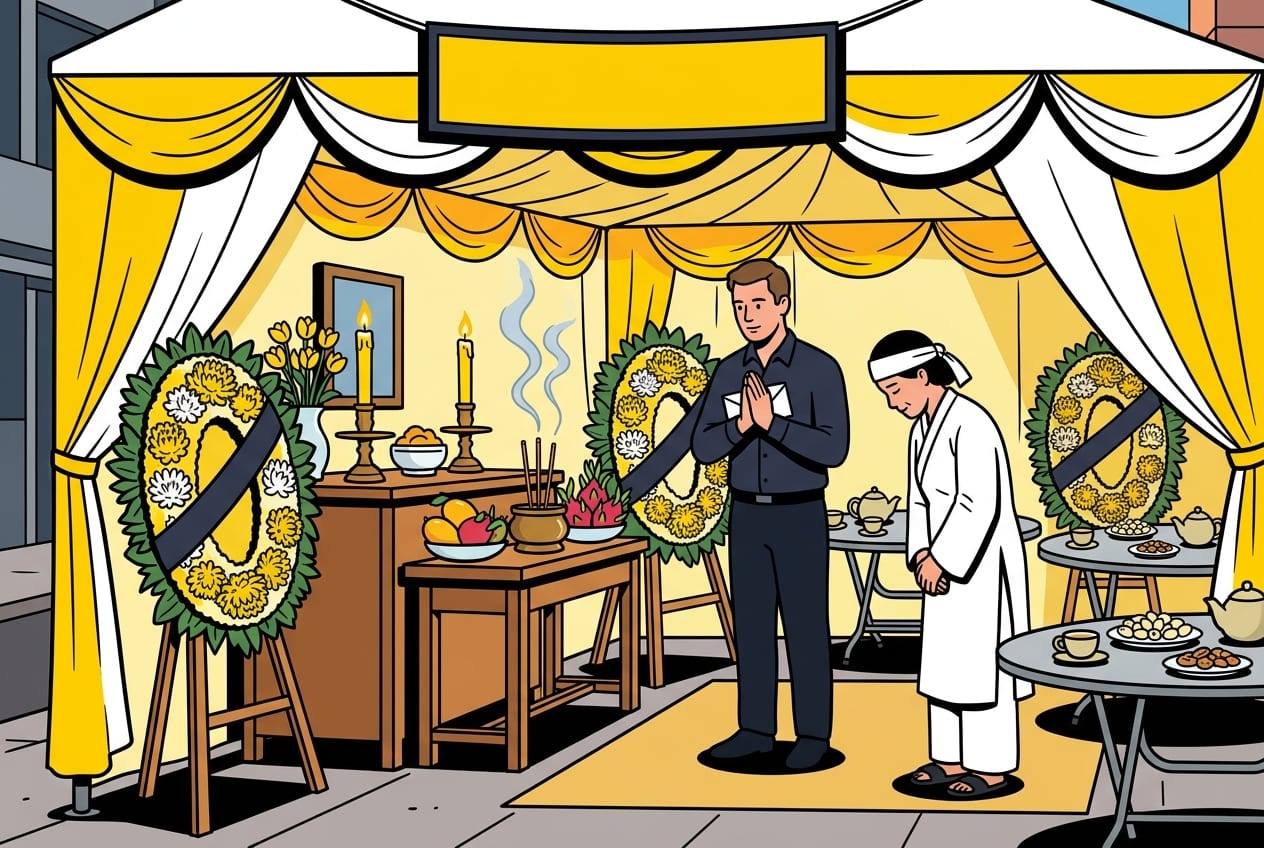
The Yellow Tent on the Street: A Respectful Guide to Attending a Vietnamese Funeral
An essential guide to navigating a Vietnamese funeral (đám tang) with respect, covering dress codes, condolence envelopes, and key cultural taboos.
By Xinchao team
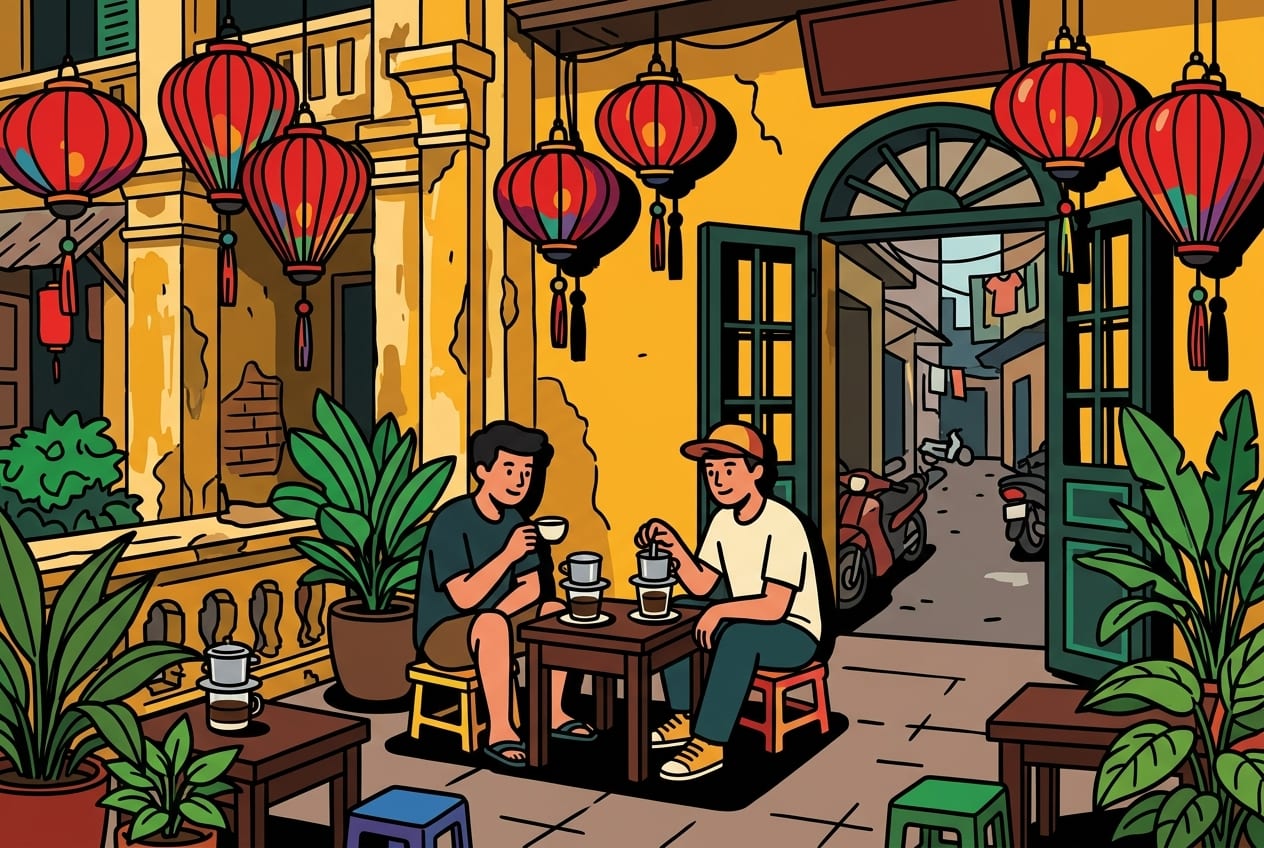
Why Vietnam's 'Heritage Hubs' Are the Hottest New Spots for Culture, Coffee, and Community (And Where to Find Them!)
Vietnam's heritage hubs are buzzing – from ancient towns to repurposed colonial cafes. Discover why these spots are a must-visit for culture, community, and the best slow-drip coffee experiences.