Zen & Lens: Your Guide to Pagoda-Hopping for Peace and Perfect Shots in Vietnam
Embark on a spiritual and visual journey through Vietnam's ancient pagodas. This guide helps you navigate these sacred spaces with cultural sensitivity, capturing breathtaking photos while embracing moments of profound peace.
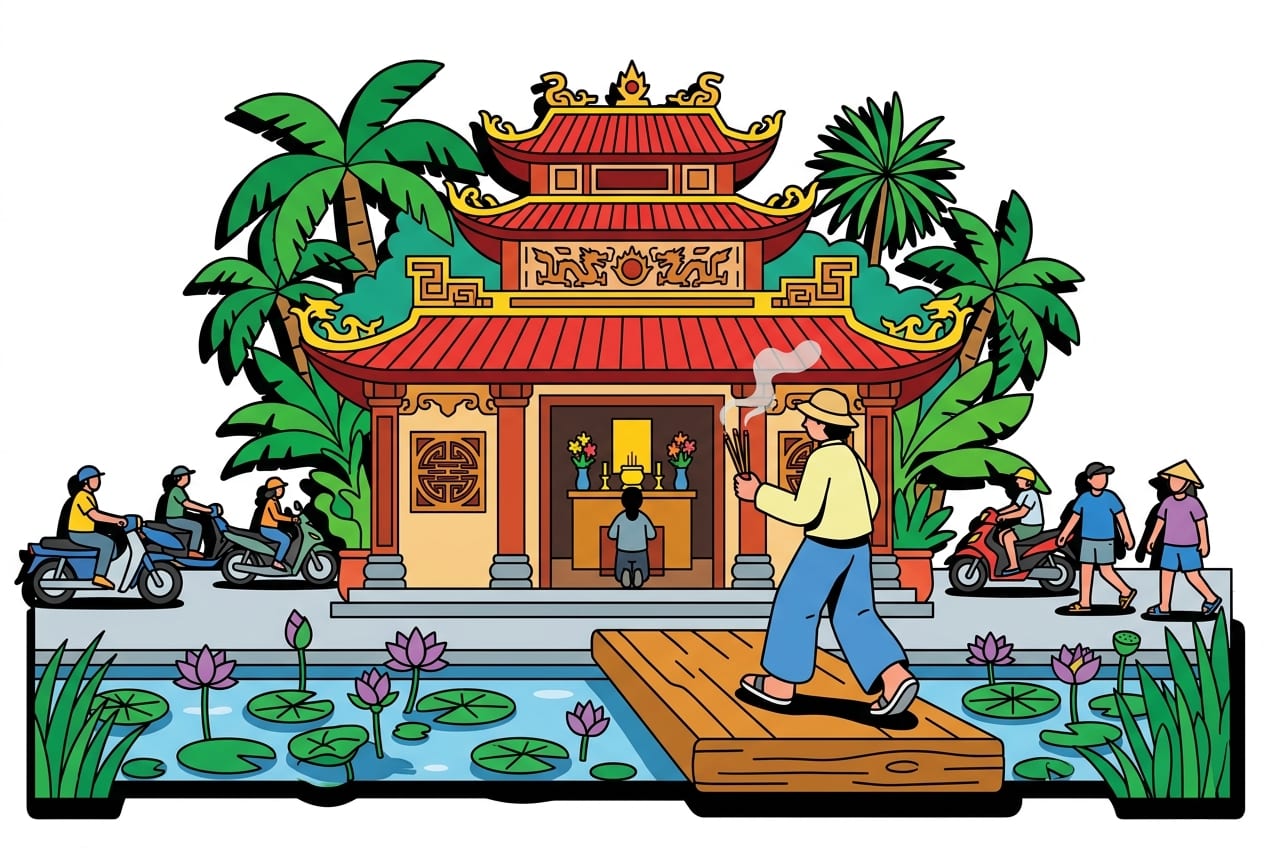
Why Pagoda-Hopping is a Must-Do in Vietnam
Pagoda-hopping in Vietnam offers travelers a unique window into the country's deep spiritual heart, blending opportunities for serene contemplation with breathtaking photographic moments. These ancient Buddhist temples, known as chùa in Vietnamese, are more than just historical sites; they are vibrant centers of community and devotion, providing a profound sense of peace amidst bustling modern life. Visiting them allows you to witness centuries of Buddhist practice firsthand and connect with local traditions, making it a truly enriching experience for any traveler.
When you step into a Vietnamese pagoda, you're not just entering a building; you're entering a living, breathing part of the culture. Locals come here to worship, seek blessings, and honor their ancestors, especially during important festivals like Lunar New Year (Tết). For travelers, it’s a chance to slow down, absorb the tranquil atmosphere, and appreciate the intricate architecture and artistry that define these sacred spaces. Plus, the visual splendor, from vibrant altars to serene gardens, offers endless inspiration for your camera lens.
Understanding 'Chùa': More Than Just Temples
Vietnamese pagodas, or chùa, are central to the nation's spiritual and cultural identity, embodying centuries of Mahayana Buddhist practice. These sacred sites serve as vital community hubs where locals engage in worship, pray for family well-being, honor ancestors, and seek inner peace. They are especially significant during festivals, becoming focal points for communal gatherings and traditional rituals.
For Vietnamese people, the pagoda is often a spiritual home away from home. Families visit regularly, not just for grand ceremonies but for quiet moments of reflection. They bring offerings of fresh fruit, flowers, and incense, placing them on altars dedicated to Buddha, bodhisattvas, and sometimes even local deities or revered ancestors. The act of lighting incense and bowing is a deeply personal and meditative practice, connecting individuals to their faith and heritage. It's a place where generations gather, passing down traditions and instilling values of respect and mindfulness. This communal aspect is key to understanding why pagodas feel so alive, even in their quietest moments.
Essential Pagoda Etiquette: Navigating Sacred Spaces Respectfully
Respectful behavior is paramount when visiting Vietnamese pagodas, which are active places of worship rather than just tourist attractions. Adhering to local customs ensures a positive experience for both visitors and the worshippers present. Modest attire, quiet demeanor, and awareness of sacred thresholds are key elements of appropriate conduct within these spiritual environments.
Do
- Cover your shoulders and knees. Loose-fitting trousers or long skirts are ideal.
- Remove your shoes before entering the main worship halls.
- Maintain a quiet and respectful demeanor; speak softly.
- Step over the wooden threshold, not on it, as it's considered sacred.
- Ask permission before taking photos, especially of worshippers or altars.
- Observe and follow the lead of local worshippers.
- Make a small donation if you feel moved to do so (often a box is available).
Don't
- Wear revealing clothing like shorts, tank tops, or mini-skirts.
- Wear hats inside the main halls.
- Engage in loud conversations or boisterous behavior.
- Point your feet at altars, statues, or monks.
- Use flash photography, especially during ceremonies.
- Touch statues or religious artifacts without explicit permission.
- Interrupt monks or worshippers during their prayers or rituals.
These rules aren't meant to restrict your experience but to enhance it by fostering a shared atmosphere of reverence. When you dress modestly, you're showing respect for the sacredness of the place and the people who worship there. Removing your shoes is a common sign of humility and cleanliness in many Asian cultures. And remember, pagodas are not just museums; they are active places of worship. By being mindful of your actions, you contribute to the peaceful ambiance and gain a deeper appreciation for the spiritual practices you're witnessing. For more tips on navigating local customs, you might find our guide on Beyond the Screen: Why Your Language App Isn't Enough for Vietnam helpful for understanding broader cultural nuances.
Top Pagodas for Your Vietnam Itinerary
Vietnam boasts a rich collection of pagodas, each offering unique architectural beauty and spiritual significance across different regions. From grand complexes in the north to serene temples in the central and southern parts, these sites provide diverse experiences for travelers. Understanding their locations and any associated fees is essential for planning an efficient and culturally immersive itinerary throughout the country.
Northern Vietnam: Hanoi & Ninh Binh
Northern Vietnam is home to some of the country's most iconic and historically significant pagodas, often nestled amidst breathtaking natural landscapes. These sites offer a deep dive into Vietnam's Buddhist heritage, combining spiritual reverence with stunning scenery.
- Tran Quoc Pagoda (Hanoi): Located on a small island in West Lake, this is Hanoi's oldest pagoda, dating back to the 6th century. Its multi-tiered tower and peaceful setting make it incredibly photogenic, especially at sunset. Entry is free. It's easily accessible from Hanoi's Old Quarter.
- Bai Dinh Pagoda (Ninh Binh): Part of the Tràng An Scenic Landscape Complex (a UNESCO World Heritage site), Bai Dinh is renowned as Southeast Asia's largest Buddhist complex. It's a sprawling site featuring countless Buddha statues, a massive bell tower, and impressive gates. While entry to the pagoda grounds is generally free, you'll likely pay 30,000-60,000 VND for an electric car to navigate the vast complex and 50,000 VND to ascend the Bao Thap Tower for panoramic views. This site is a testament to Vietnam's grand spiritual aspirations and attracts pilgrims from all over the country. Learn more about the complex at the Tràng An UNESCO site.
- Perfume Pagoda (Chùa Hương, near Hanoi): A complex of Buddhist temples and shrines built into the limestone Huong Tich mountains. The journey involves a scenic boat ride along the Yen Stream, followed by a hike or cable car ride to the main cave pagoda. This is a profound pilgrimage site. Expect an 80,000 VND entrance fee, 50,000 VND for the boat ride, and optional cable car fees (100,000-160,000 VND return). The experience here is as much about the journey through nature as it is about the destination.
Central Vietnam: Hue & Da Nang
Central Vietnam offers a blend of imperial history and stunning coastal scenery, with pagodas that reflect this unique cultural tapestry. These temples are often characterized by their elegant architecture and picturesque surroundings.
- Thien Mu Pagoda (Hue): Overlooking the Perfume River, this iconic seven-story pagoda is a symbol of Hue. Its elegant architecture and historical significance (including the car of the monk Thích Quảng Đức, who self-immolated in 1963) make it a must-visit. Entry is free. The pagoda's location offers beautiful views, especially during sunset, and it’s a tranquil spot to reflect on Vietnam's tumultuous past and enduring spirit. For more on Hue's historical significance, consult resources like Britannica's entry on Hue.
- Linh Ung Pagoda (Da Nang): Perched on the Son Tra Peninsula, this pagoda is famous for its towering Lady Buddha (Guan Yin) statue, which stands at 67 meters tall, overlooking the sea. The pagoda offers breathtaking panoramic views of Da Nang city and the coastline. Entry is free. The blend of spiritual architecture with the natural beauty of the ocean creates a truly majestic experience.
Southern Vietnam: Ho Chi Minh City
Even in the bustling metropolis of Ho Chi Minh City, tranquil pagodas offer a serene escape from the urban energy. These sites provide a glimpse into the spiritual life of the city's residents, often hidden gems amidst the concrete jungle.
- Jade Emperor Pagoda (Chùa Ngọc Hoàng, Ho Chi Minh City): This Taoist pagoda, also known as Phước Hải Tự, is one of the most atmospheric temples in the city. It's famous for its intricate woodcarvings, statues of deities, and smoky, incense-filled interior. Entry is free. Despite its busy location, stepping inside feels like entering another world, rich with spiritual symbolism and a sense of ancient mystery.
- Long Son Pagoda (Nha Trang): While not in HCMC, this pagoda is a popular stop for those traveling down the coast. It features a massive white Buddha statue seated atop a hill, offering panoramic views of Nha Trang. Entry is free. The climb to the top is rewarded with not only the view but also intricate dragon mosaics and a sense of accomplishment.
Capturing the Moment: Photography Tips for Pagodas
Photographing pagodas requires a blend of aesthetic appreciation and cultural sensitivity to ensure your shots are both beautiful and respectful. Understanding the best times to visit and the proper etiquette for capturing images will enhance your experience and the quality of your photographs. Always prioritize the sacred nature of the site over getting a perfect shot.
The best times for photography are usually early mornings or late afternoons. The soft, diffused light during these hours creates a magical glow, bringing out the vibrant colors of the architecture and the peaceful ambiance. This also helps avoid the harsh midday sun and often fewer crowds, allowing for more contemplative shots. When photographing worshippers, always ask for permission first – a simple nod and a smile can go a long way. Avoid using flash inside the pagodas, as it can be disruptive and is generally considered disrespectful. Focus on capturing the details: the intricate carvings, the offerings on the altars, the patterns of burning incense, and the serene expressions on the faces of Buddha statues. Remember, the goal is to capture the spirit of the place, not just its physical form.
Practical Tips for a Smooth Pagoda Visit
Planning ahead can significantly enhance your pagoda-hopping experience in Vietnam, ensuring comfort, cultural sensitivity, and smooth navigation. Key considerations include the best seasons to visit, essential items to pack, and understanding local transportation and currency practices. Being prepared allows you to fully immerse yourself in the spiritual atmosphere without unnecessary distractions.
The most pleasant times to visit pagodas are generally during the mild and pleasant spring (February-April) and autumn (October-December) months, avoiding the intense heat of summer or heavy rains. Pack comfortable walking shoes, as many pagodas involve extensive walking or climbing stairs. A hat, sunscreen, and a light scarf or sarong are also essential for sun protection and quick coverage when entering temples. Carrying small denominations of Vietnamese Dong (VND) is advisable for entrance fees (if any), donations, and local transport like electric cars or boat rides. Transportation varies: electric cars at Bai Dinh, boats for Perfume Pagoda, and cable cars for mountain temples like Yên Tử. Always observe local customs, follow the lead of residents, and avoid interrupting monks or worshippers to ensure a respectful and enriching spiritual journey.
FAQs About Pagoda Hopping in Vietnam
Do I need to pay an entrance fee for all pagodas in Vietnam?
No, many pagodas in Vietnam, especially older and smaller ones like Tran Quoc Pagoda in Hanoi or the Jade Emperor Pagoda in Ho Chi Minh City, offer free entry. However, larger complexes or those requiring special transport might have fees. For example, Bai Dinh Pagoda charges for electric car transfers and tower access, and the Perfume Pagoda requires fees for boat rides and optional cable cars. Always carry small denominations of VND for these possibilities.
What is the significance of stepping over, not on, the pagoda threshold?
In Vietnamese culture, the wooden threshold of a pagoda is considered a sacred boundary and the resting place of protective spirits. Stepping on it is believed to disturb these spirits and is considered disrespectful. By stepping over it, you show reverence for the sacred space and its traditions, acknowledging the spiritual significance of the entrance.
Can I eat or drink inside a pagoda?
It is generally not appropriate to eat or drink inside the main worship halls of a pagoda. These are sacred spaces for prayer and contemplation. If you need to refresh yourself, look for designated areas outside the main temple buildings, or consume food and drink before entering the pagoda grounds. Always dispose of your rubbish properly.
Embrace the Spiritual Journey
Pagoda-hopping in Vietnam is more than just sightseeing; it's an invitation to connect with the country's soul. From the ancient tranquility of Tran Quoc to the grandeur of Bai Dinh, each chùa offers a unique blend of history, devotion, and architectural beauty. By approaching these sacred sites with an open heart and a respectful mind, you'll not only capture stunning photographs but also carry home a deeper understanding and appreciation for Vietnam's rich spiritual heritage. So pack your modest attire, charge your camera, and prepare for a journey that will soothe your spirit and fill your lens.
Practise the words you just read
Vietnamese phrases for real situations, each with native audio in both accents.
Topics
Read more
Other posts from our Vietnamese learning blog.
By Xinchao team
Hue Festival 2026: Time-Traveling to Vietnam's Imperial Heart!
Experience the magic of the 2026 Hue Festival, a year-long celebration of Vietnam's imperial past. From royal court music to dazzling river parades, get ready for an unforgettable cultural immersion in Hue.
By Xinchao team
The Yellow Tent on the Street: A Respectful Guide to Attending a Vietnamese Funeral
An essential guide to navigating a Vietnamese funeral (đám tang) with respect, covering dress codes, condolence envelopes, and key cultural taboos.
By Xinchao team
Why Vietnam's 'Heritage Hubs' Are the Hottest New Spots for Culture, Coffee, and Community (And Where to Find Them!)
Vietnam's heritage hubs are buzzing – from ancient towns to repurposed colonial cafes. Discover why these spots are a must-visit for culture, community, and the best slow-drip coffee experiences.