Flexing Di Sản: Why Is Vietnam's Gen Z Rocking Grandma's Style?
Discover 'Flexing Di Sản,' where Vietnam's Gen Z redefines heritage. See how ancient traditions blend with modern fashion, food, and art.
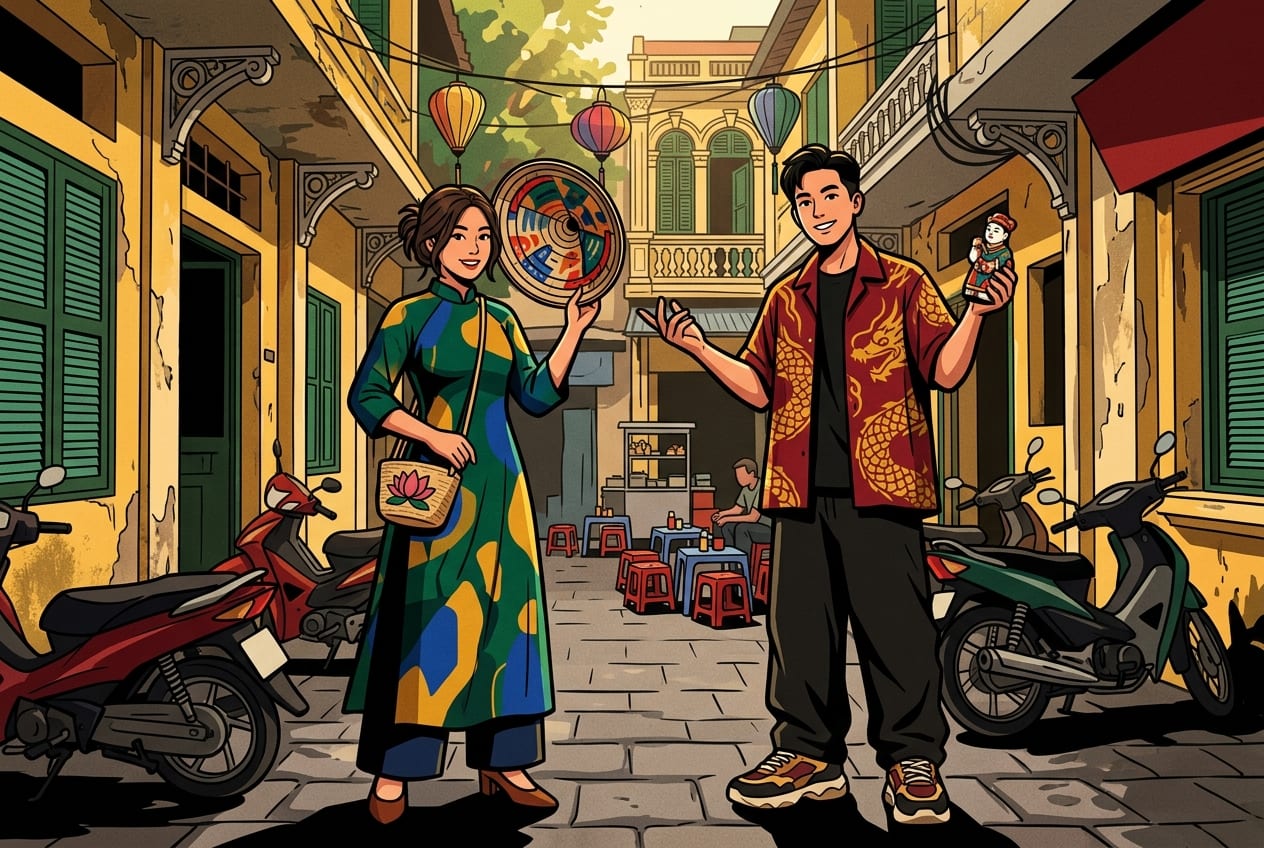
What's This 'Flexing Di Sản' All About?
Have you ever seen young people proudly showing off something old in a super fresh way? That's exactly what's happening in Vietnam right now, and it's called 'Flexing Di Sản.' Imagine your grandma's favorite traditional dress, but redesigned with cool, modern cuts and worn to a trendy cafe. Or ancient folk art popping up on a stylish t-shirt. This isn't just a fashion statement; it's a huge cultural movement where young Vietnamese are diving deep into their heritage, making it relevant, cool, and shareable for everyone.
For Vietnam's Gen Z, 'Di Sản' isn't something dusty in a museum; it's a living, breathing part of their identity. They're not just preserving history; they're actively remixing it, bringing it into their daily lives and onto social media. It's a powerful way to connect with their roots, express national pride, and share Vietnam's rich culture with the world. Think of it as a creative explosion where tradition meets technology, ensuring that Vietnam's incredible legacy continues to evolve and inspire.
Why Is Gen Z So Invested in Their Heritage?
Vietnam's Gen Z is deeply invested in 'Di Sản' because it offers a unique way to express identity in a rapidly globalizing world, fostering national pride through creative reinterpretations of traditional elements. Unlike previous generations, they see heritage as dynamic and adaptable, using social media to connect with roots and showcase their culture globally, making it a vibrant part of their daily lives.
There are a few big reasons behind this wave of cultural pride. First, like many young people globally, Vietnamese Gen Z is searching for authentic identity. In a world full of global trends, embracing their unique heritage offers a strong sense of self and belonging. Second, social media plays a huge role. Platforms like TikTok and Instagram are perfect for 'flexing' – sharing visually stunning content that highlights their culture. A beautifully shot video of someone in a modernized áo dài at an ancient temple can go viral, sparking curiosity and pride both locally and internationally.
Third, it's about reclaiming and celebrating their own narrative. For a long time, traditional culture might have been seen as something 'old-fashioned' or 'for special occasions.' Now, Gen Z is breaking those stereotypes, showing that heritage can be cool, trendy, and integrated into everyday life. This movement is a testament to their creativity, resourcefulness, and deep love for Vietnam. It's about saying, 'This is us, and we're proud of it!'
The Social Media Spark: From Local Pride to Global Trend
Social media is a powerful engine for 'Flexing Di Sản,' transforming local pride into a global trend by providing platforms for Gen Z to share their reinterpreted heritage. Visually driven apps like TikTok and Instagram allow young Vietnamese to create engaging content that celebrates traditional fashion, art, and customs in modern contexts, captivating audiences worldwide and fostering a sense of shared cultural identity.
Imagine scrolling through your feed and seeing a young Vietnamese person striking a pose in a vibrant, redesigned áo dài against the backdrop of an ancient temple, or a short video showcasing the intricate process of making traditional pottery, set to a modern beat. This is the daily reality of 'Flexing Di Sản' online. These young content creators are not just sharing pictures; they're telling stories, explaining the history behind the motifs, and inviting others to appreciate the beauty of Vietnamese culture. This digital engagement helps break down geographical barriers, allowing travelers and culture enthusiasts from all over the world to discover and appreciate Vietnam's heritage even before they visit.
The virality of these posts also encourages more young people to participate, creating a positive feedback loop. When someone sees their peers getting recognition and praise for embracing 'Di Sản,' it inspires them to do the same. This collective effort is breathing new life into cultural practices and spaces, ensuring that Vietnam's legacy remains dynamic and relevant for generations to come.
Fashion Forward: Old Motifs, New Swag
In Vietnam, 'Flexing Di Sản' is vividly expressed through fashion, where designers blend traditional motifs and silhouettes with contemporary styles to create fresh, culturally rich apparel. Brands are reimagining garments like the áo dài with modern cuts and fabrics, making heritage chic and wearable for everyday life, allowing Gen Z to embody their cultural pride stylishly.
Walk down the streets of Hanoi or Ho Chi Minh City, and you'll see a captivating mix of styles. This generation is taking traditional Vietnamese elements and weaving them into contemporary fashion with incredible flair. The most iconic example is the áo dài (pronounced 'ao zai'). Once reserved for special occasions, designers are now giving it asymmetrical cuts, experimenting with new textiles, and pairing it with sneakers or jeans. It's no longer just a ceremonial gown; it's an everyday chic statement.
Brands like FANCì Club, LSOUL, Paradise Saigon, and Aeie Studios are leading this charge. They're incorporating ethnic prints, traditional embroidery (like lotus or dragon scales), and even folk painting characters into streetwear, making them instantly recognizable yet refreshingly modern. You might see a bomber jacket with intricate dragon motifs, or a crop top subtly referencing traditional patterns. It's about celebrating the past without being stuck in it.
For travelers, this means a unique souvenir opportunity. Imagine commissioning a custom-made heritage-inspired outfit from a tailor in Hoi An. You could get a stunning evening dress with traditional silk elements for around €35, or a stylish co-ord set for about €70. It’s not just clothes; it’s a personalized piece of modern Vietnamese heritage you can take home, a wearable story that connects you directly to this vibrant movement.
Beyond Clothes: Heritage in Every Sip and Stroll
Beyond fashion, 'Flexing Di Sản' permeates Vietnamese daily life, seen in modernized craft villages, heritage-inspired cafes, and even everyday objects. Young artisans are revitalizing traditional crafts for contemporary markets, while iconic cafes offer classic treats like egg coffee in atmospheric, decades-old settings, allowing both locals and travelers to savor Vietnam's evolving cultural legacy.
The 'Flexing Di Sản' movement extends far beyond the wardrobe. It's woven into the very fabric of daily life, influencing everything from the coffee you drink to the pottery you see. In ancient craft villages like Ma Chau (for silk) or Thanh Ha (for pottery), young artisans are injecting new life into age-old traditions. They're not just replicating what their ancestors did; they're innovating, creating modern designs and products that appeal to a younger, global audience while still honoring the original techniques. Think beautifully crafted ceramic mugs with contemporary patterns, or silk scarves that blend traditional weaving with bold, modern colors.
Even your coffee break can be a heritage experience. Iconic spots like Cafe Giang and Cafe Đinh in Hanoi are famous for their traditional egg coffee (cà phê trứng). These cafes themselves are often decades old, with a charm that transports you back in time. Sitting on a tiny stool, sipping a rich, creamy egg coffee (costing about 25,000-50,000 VND or $1-2 USD) in such a setting, you're not just enjoying a drink; you're participating in a beloved tradition that Gen Z continues to cherish and promote.
Brands like Tired City also capture this spirit by offering graphic tees, bags, and keychains adorned with mascots, folk paintings, and traditional art forms, often presented in a youthful, 'chibi' (cute, miniature) style. These everyday objects become small pieces of 'Di Sản' that people can carry with them, sparking conversations and showing off their cultural pride in a subtle, fun way. It's a constant reminder that heritage is all around, not just in grand monuments but in the small details of life.
How Travelers Can Join the 'Flexing Di Sản' Vibe in 2026
Travelers can immerse themselves in 'Flexing Di Sản' by exploring Vietnam's ancient towns and craft villages, participating in hands-on workshops, and savoring traditional foods like egg coffee. Engaging respectfully with locals and commissioning heritage-inspired fashion allows visitors to directly experience and contribute to this vibrant modern cultural movement.
If you're planning a trip to Vietnam in 2026, you're in for a treat! Experiencing 'Flexing Di Sản' firsthand is easy and incredibly rewarding. Here’s how you can dive in:
Explore Ancient Towns and Historic Sites
To truly grasp 'Flexing Di Sản,' travelers should visit Vietnam's ancient towns and historical landmarks, which serve as living backdrops for this cultural movement. Places like Hoi An, Hanoi's Old Quarter, and the Imperial City of Hue offer architectural beauty and vibrant local life, allowing visitors to see traditional heritage integrated with modern expressions.
Start with the classics: the ancient town of Hoi An, Hanoi's charming Old Quarter, or the majestic Imperial City of Hue. These places are not just pretty backdrops; they are living museums where you can see traditional architecture, witness daily life, and observe how locals, especially Gen Z, interact with these historic spaces. You'll see young people taking photos in modernized áo dài or simply enjoying a quiet moment in a centuries-old setting, blending seamlessly with the past.
Engage in Hands-On Workshops
Hands-on workshops offer travelers a direct way to engage with 'Flexing Di Sản' by learning traditional crafts from local artisans. Participating in activities like lantern-making in Hoi An or visiting craft villages allows visitors to understand the skill and cultural significance behind heritage products, fostering a deeper appreciation for Vietnamese traditions.
Don't just observe; participate! In Hoi An, you can join a lantern-making class and create your own colorful lantern, learning about its symbolism and history. Visit craft villages around Da Nang or other regions to see artisans at work – whether it's pottery, silk weaving, or embroidery. These experiences give you a deeper appreciation for the skill and dedication that goes into preserving these traditions.
Savor Culinary Heritage
Food tours are an excellent way for travelers to savor Vietnam's culinary heritage, offering a delicious immersion into local delicacies and their historical contexts. Enjoying iconic dishes and the famous egg coffee while learning about their origins allows visitors to connect with Vietnamese culture through its rich and diverse gastronomic traditions.
Food is a huge part of Vietnamese heritage. Go on a food tour to taste local delicacies, from street food favorites to regional specialties. And of course, seek out those heritage-inspired cafes for a taste of traditional egg coffee. Ask about the history of the dishes you're eating – often, there's a fascinating story behind every bite.
Do
- Do dress modestly when visiting temples or pagodas to show respect.
- Do try to learn a few basic Vietnamese phrases; locals appreciate the effort.
- Do engage with local artisans and ask about their crafts.
- Do try local street food – it's often where the real culture lives!
- Do bargain politely in markets, but be fair.
Don't
- Don't touch people's heads, as it's considered disrespectful.
- Don't point with your finger; use your whole hand.
- Don't wear revealing clothing in religious sites.
- Don't take photos of people without asking permission first.
- Don't disrespect elders or public figures; respect for hierarchy is important.
The Visual Language of Modern Heritage
The visual language of 'Flexing Di Sản' is a dynamic fusion of traditional aesthetics and contemporary trends, evident in the colors, objects, and environments across Vietnam. It showcases young people confidently integrating heritage into modern life, creating a captivating tableau of cultural pride visible in bustling cities and serene ancient sites alike.
Stepping into Vietnam in 2026, you'll immediately notice the vibrant visual tapestry of 'Flexing Di Sản.' The dominant colors are a feast for the eyes: rich, deep hues found in traditional garments like the áo dài – think emerald greens, imperial reds, and royal blues – often contrasted with the more minimalist palettes of contemporary streetwear, featuring solid colors in breathable cottons and linens. You'll see flashes of modernized patterns, sometimes geometric, sometimes abstract, but always with a subtle nod to traditional motifs like the lotus flower, bamboo, or mythical creatures.
Young people will be sporting stylish, often oversized streetwear adorned with these subtle traditional motifs or bold graphics inspired by folk art. The real magic happens when these modern outfits are paired unexpectedly with traditional elements: a conical hat (nón lá) worn with a trendy t-shirt, or a sleek, contemporary dress accented with a lotus-embroidered raffia bag. Ceramic-printed accessories, stylized traditional musical instruments, or even small, intricately painted wooden figures might be integrated into their modern aesthetics, showcasing a seamless blend of old and new.
The environment itself is a dynamic stage for this cultural display. Imagine the bustling urban streets of Hanoi or Ho Chi Minh City, where motorbikes whiz past ancient shophouses with French colonial details, and modern cafes hum with activity. Then picture the serene, lantern-lit alleys of Hoi An or the rustic charm of an ancient village, where the natural daylight illuminates centuries-old craftsmanship. The typical weather is warm and often humid, making lightweight fabrics a practical and popular choice. Lighting shifts from the bright natural daylight at historical sites to the vibrant, sometimes neon glow of trendy shops and cafes, creating a captivating ambiance for this modern heritage movement.
Is it okay for travelers to wear modernized traditional Vietnamese clothing?
Absolutely! Many Vietnamese, especially Gen Z, are thrilled to see foreigners appreciate and adopt their cultural styles. Just ensure that if you're wearing something like a modernized áo dài, it's done respectfully and not in a way that trivializes or mocks the culture. Commissioning a piece from a local tailor is a great way to ensure authenticity and support local artisans.
How can I find the best heritage-inspired cafes or craft workshops?
For cafes like Cafe Giang or Cafe Đinh, local guides or online travel blogs focusing on Hanoi's Old Quarter are your best bet. For craft workshops, look up local tourism boards for Hoi An or Da Nang, or ask your hotel for recommendations. Many tour operators also offer specialized craft village visits or culinary experiences that highlight traditional practices.
What's the best way to interact with Gen Z 'flexing di sản' without being intrusive?
A friendly smile and genuine curiosity go a long way. If you admire someone's outfit or a craft they're making, a simple 'Đẹp quá!' (Very beautiful!) can open a conversation. Always ask for permission before taking photos, especially if it's a close-up. Showing sincere appreciation for their culture is the best way to connect.
Practise the words you just read
Vietnamese phrases for real situations, each with native audio in both accents.
Topics
Read more
Other posts from our Vietnamese learning blog.
By Xinchao team
Hue Festival 2026: Time-Traveling to Vietnam's Imperial Heart!
Experience the magic of the 2026 Hue Festival, a year-long celebration of Vietnam's imperial past. From royal court music to dazzling river parades, get ready for an unforgettable cultural immersion in Hue.
By Xinchao team
The Yellow Tent on the Street: A Respectful Guide to Attending a Vietnamese Funeral
An essential guide to navigating a Vietnamese funeral (đám tang) with respect, covering dress codes, condolence envelopes, and key cultural taboos.
By Xinchao team
Why Vietnam's 'Heritage Hubs' Are the Hottest New Spots for Culture, Coffee, and Community (And Where to Find Them!)
Vietnam's heritage hubs are buzzing – from ancient towns to repurposed colonial cafes. Discover why these spots are a must-visit for culture, community, and the best slow-drip coffee experiences.